
Description
About US:
Our photographs are taken without retouching or photoshop to ensure that the customer can judge the reality of the object.
Thanks to a constant work directly with the best collectors, museums and galleries in Japan and friendship with them, along with a profit margin much lower than the European competition we can offer objects so that many people can choose to have authentic pieces with hundreds of years at more than competitive prices. After all, samurai art is our passion and we want to share it with the world.
ITEM DESCRIPTION:
Comes with certificate of supein Nihonto.
Edo period (1615-1868)
Description of the Kabuto
Helmet type:
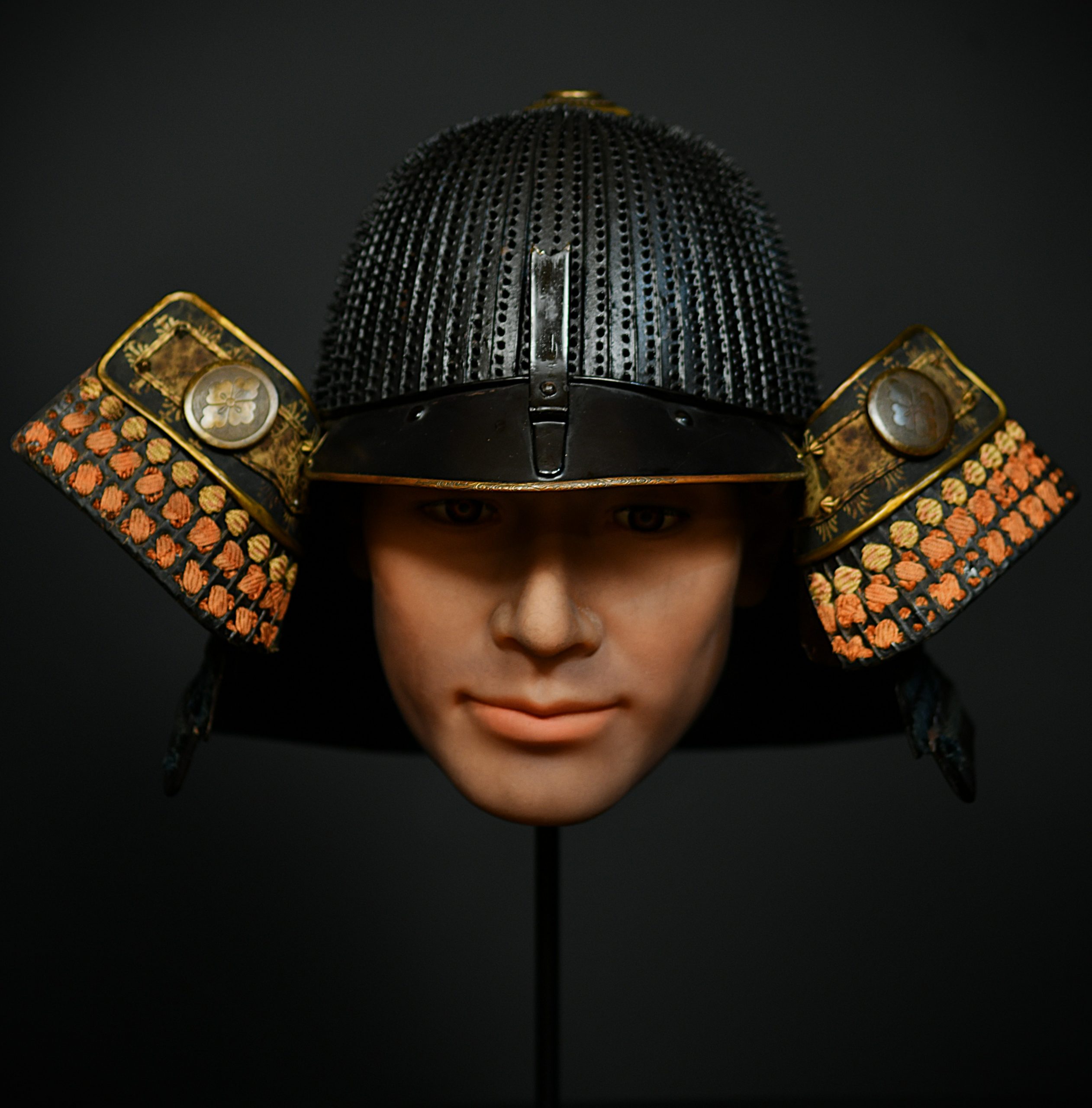
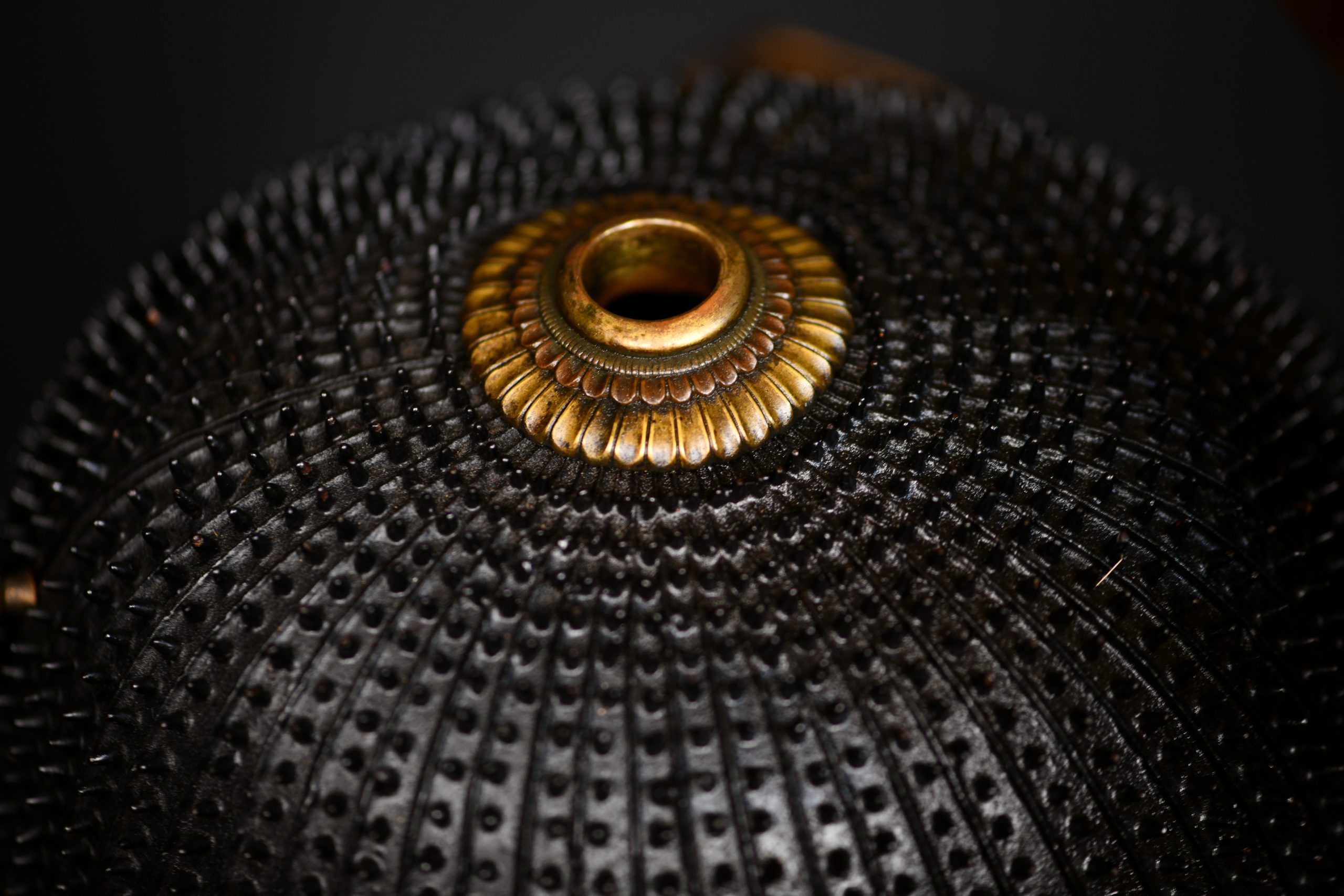
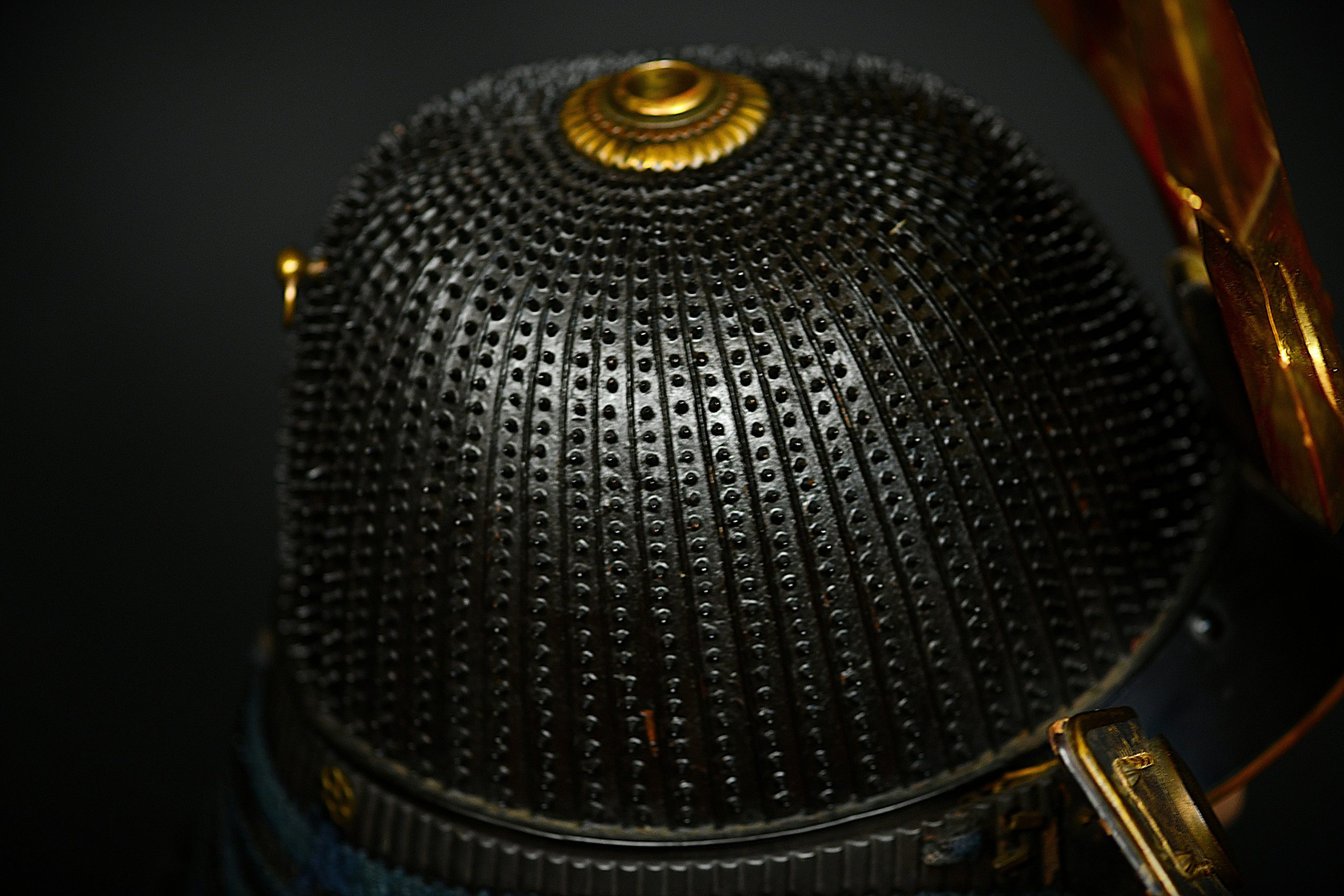
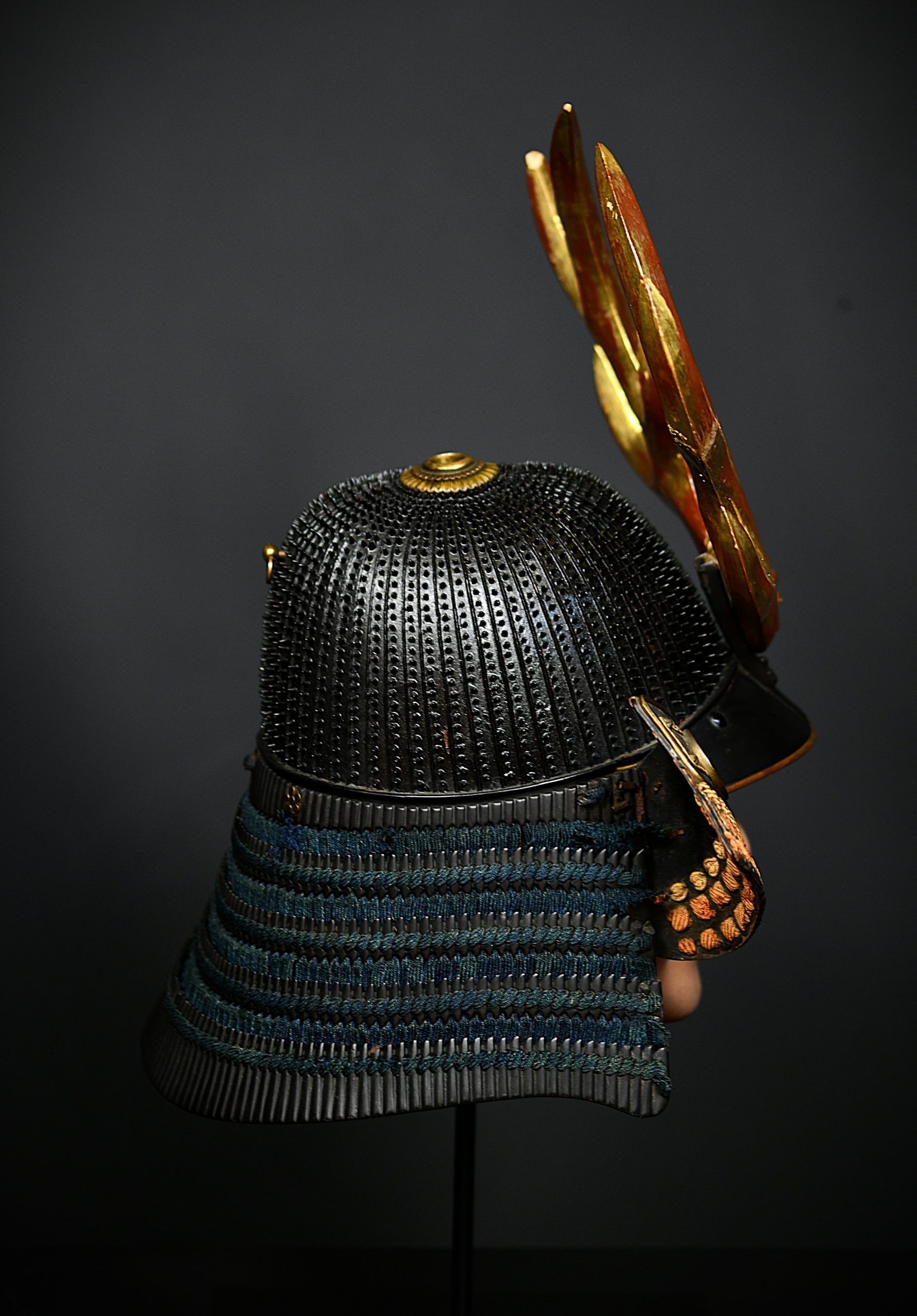
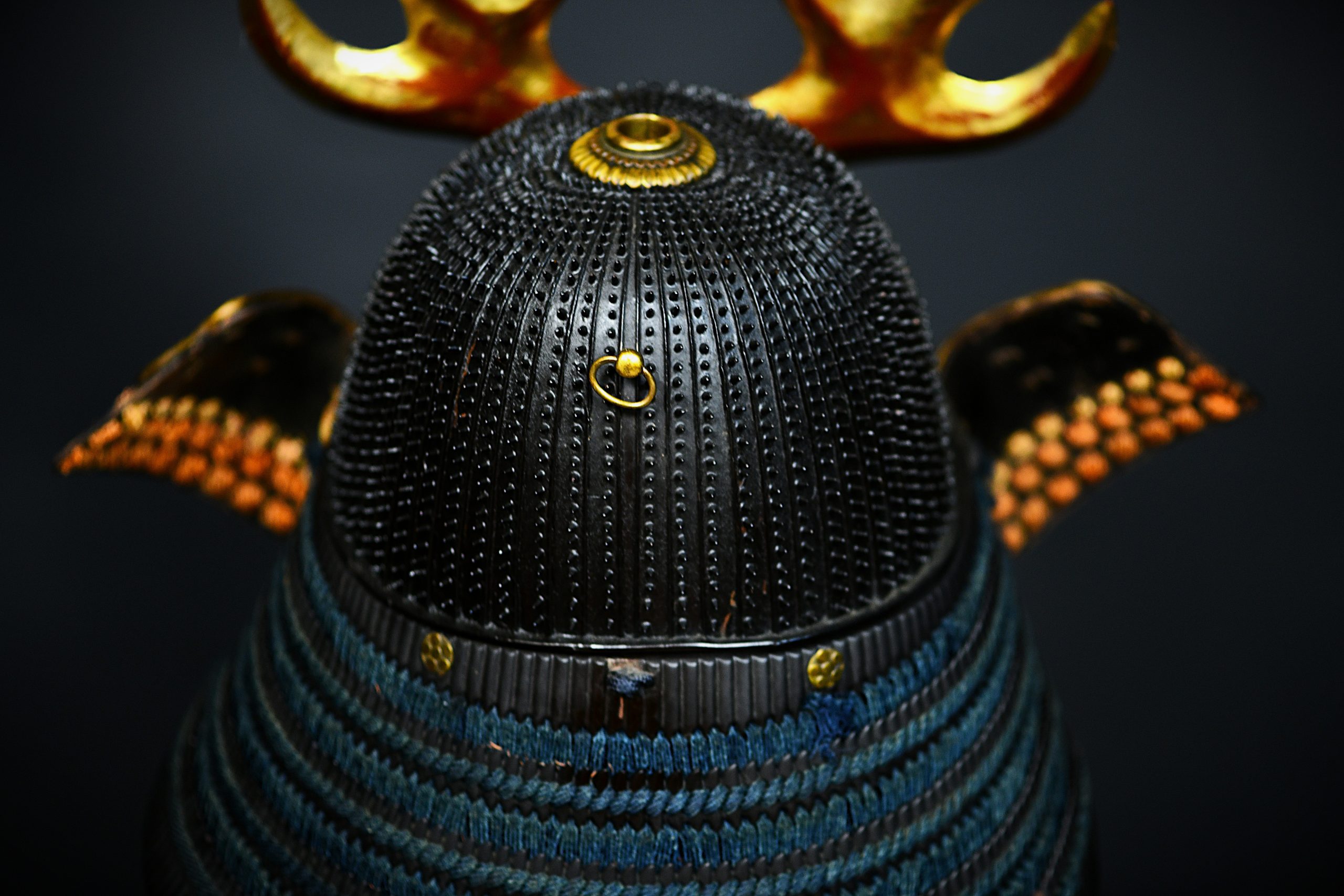
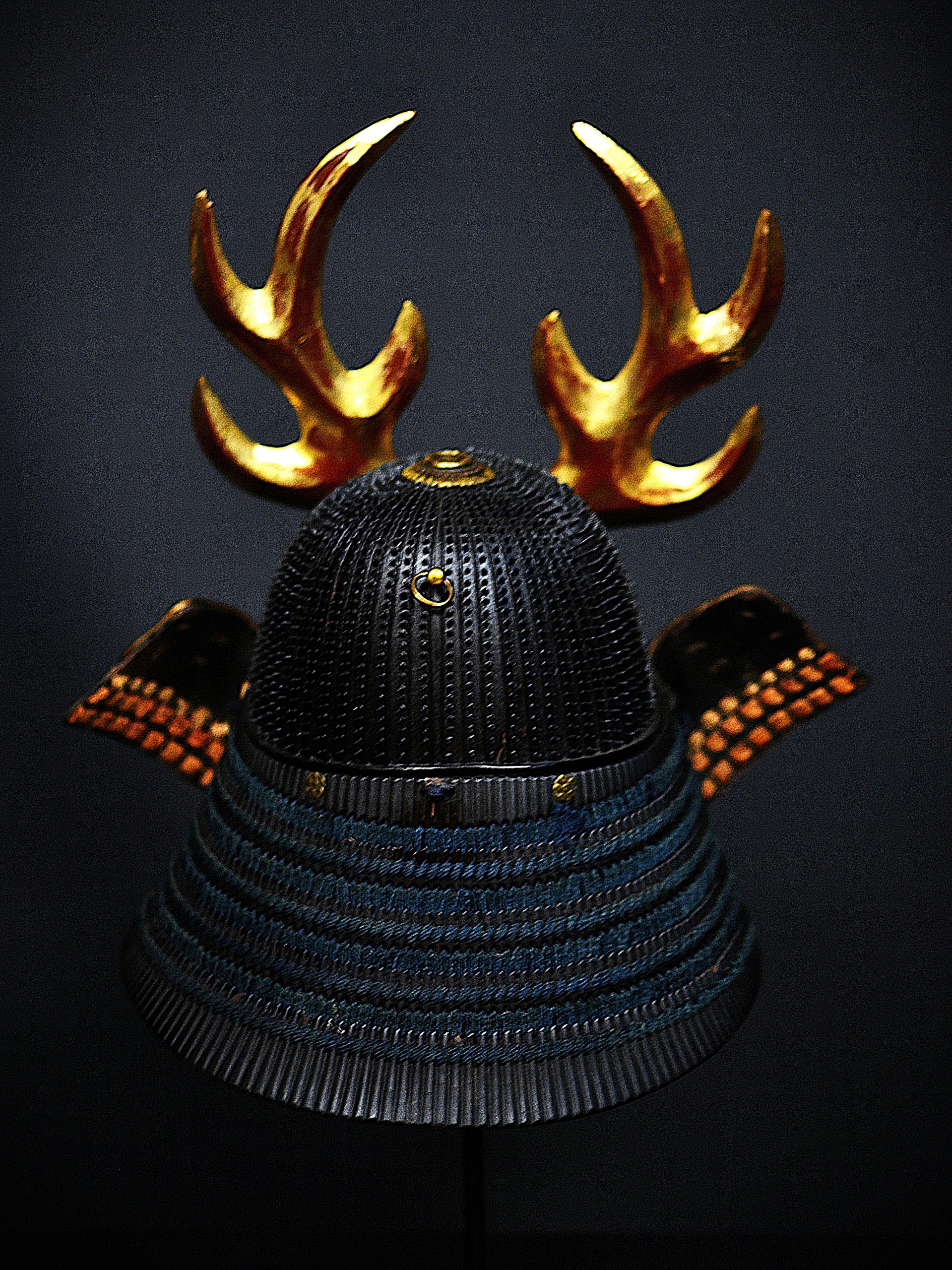
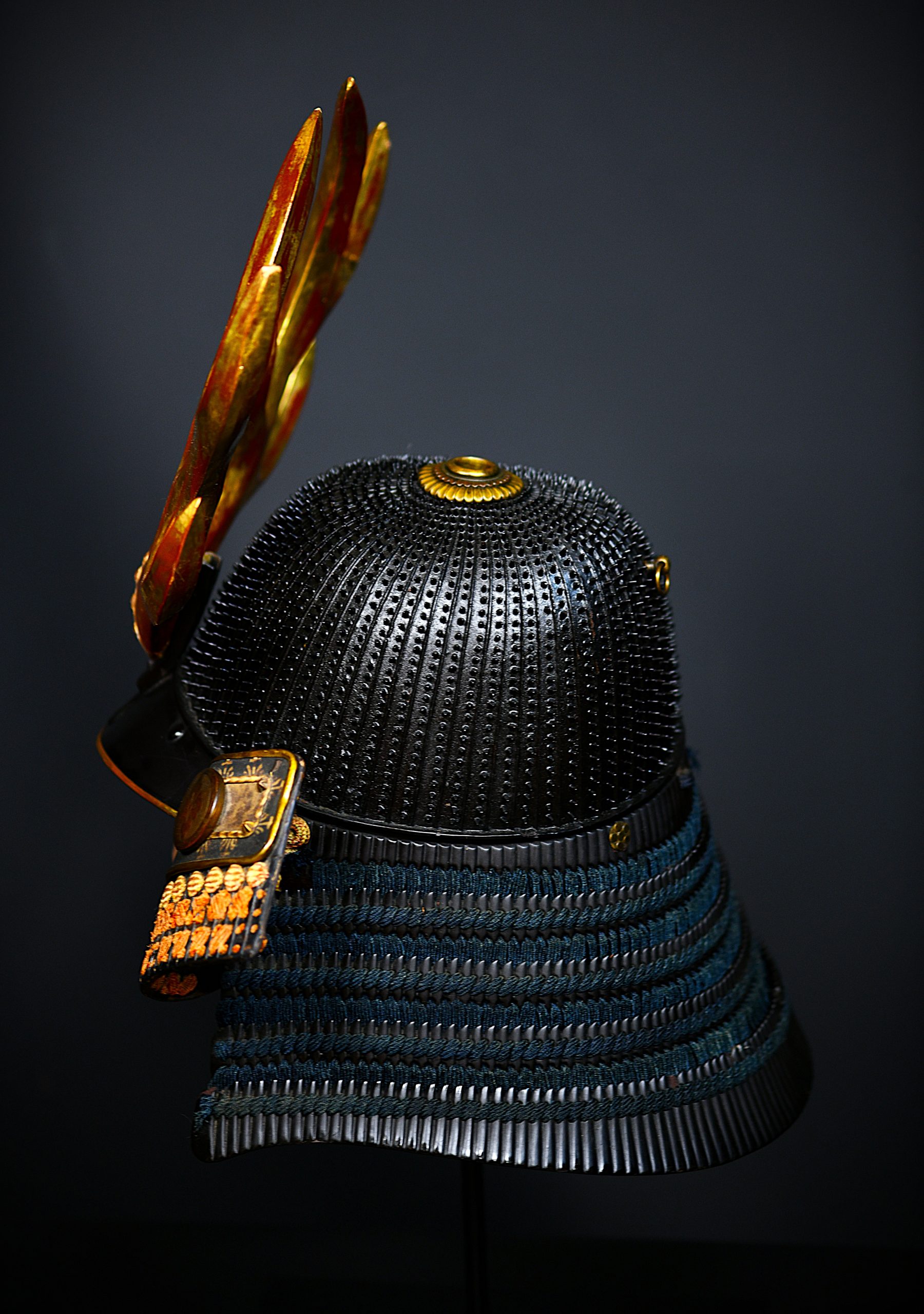
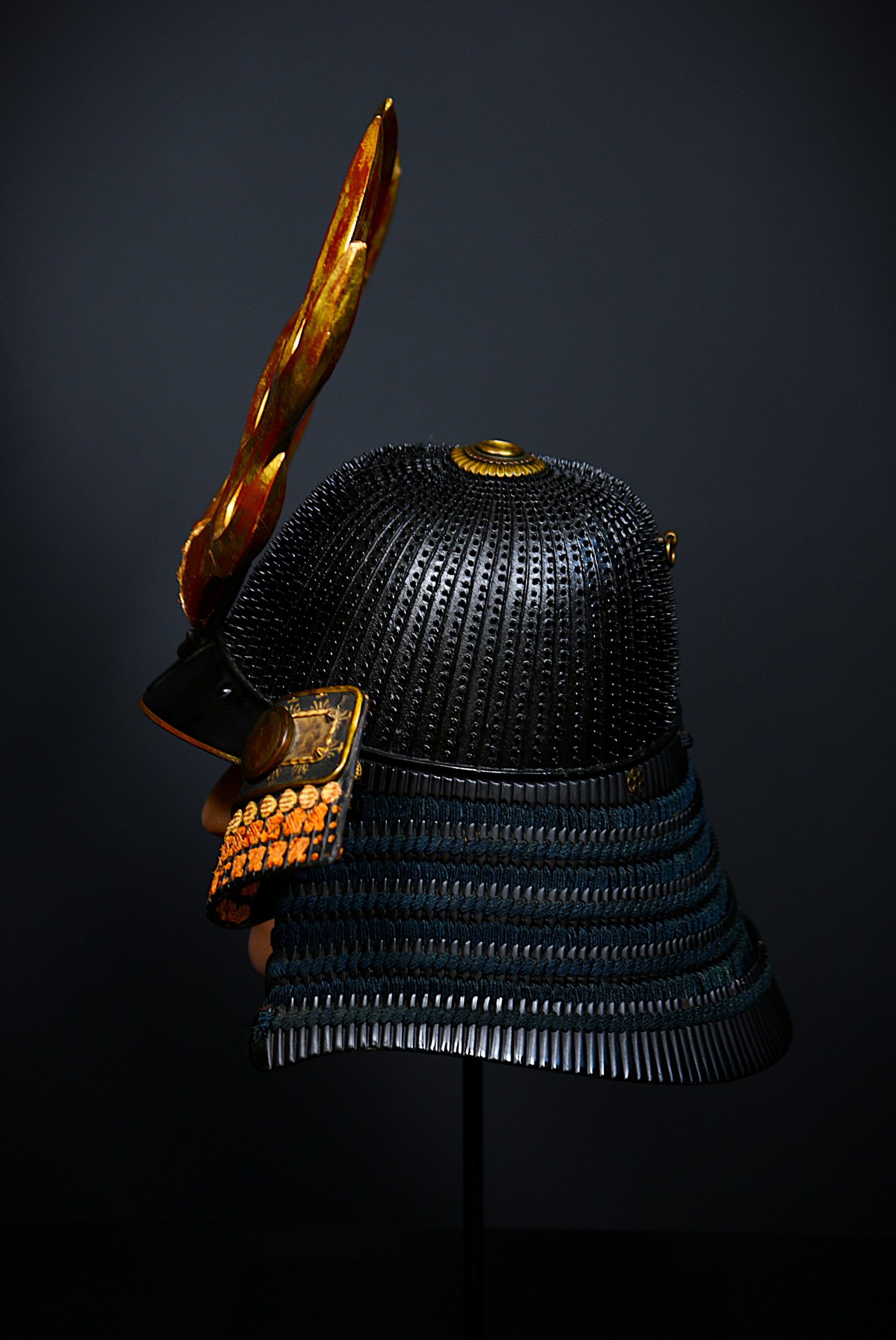
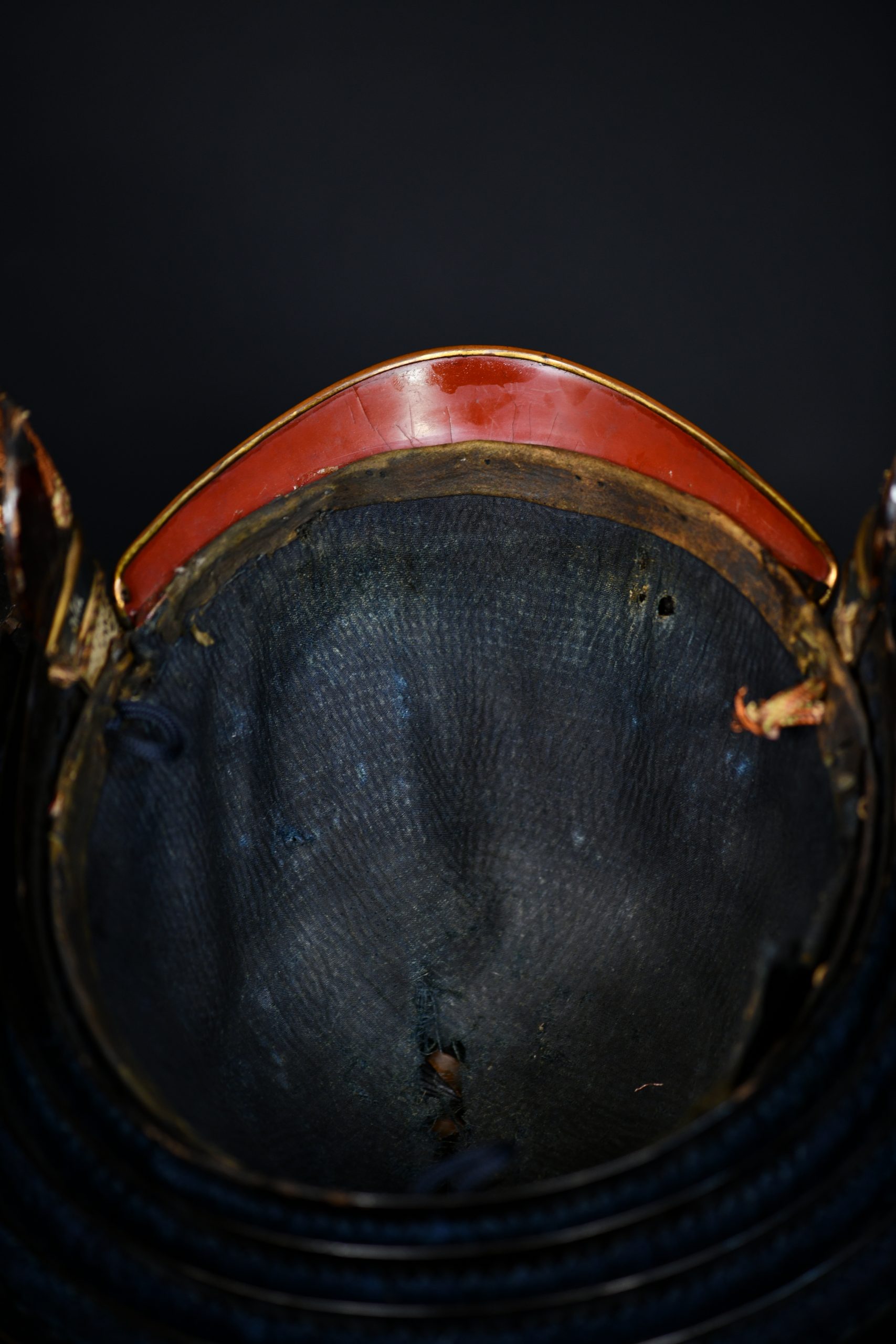
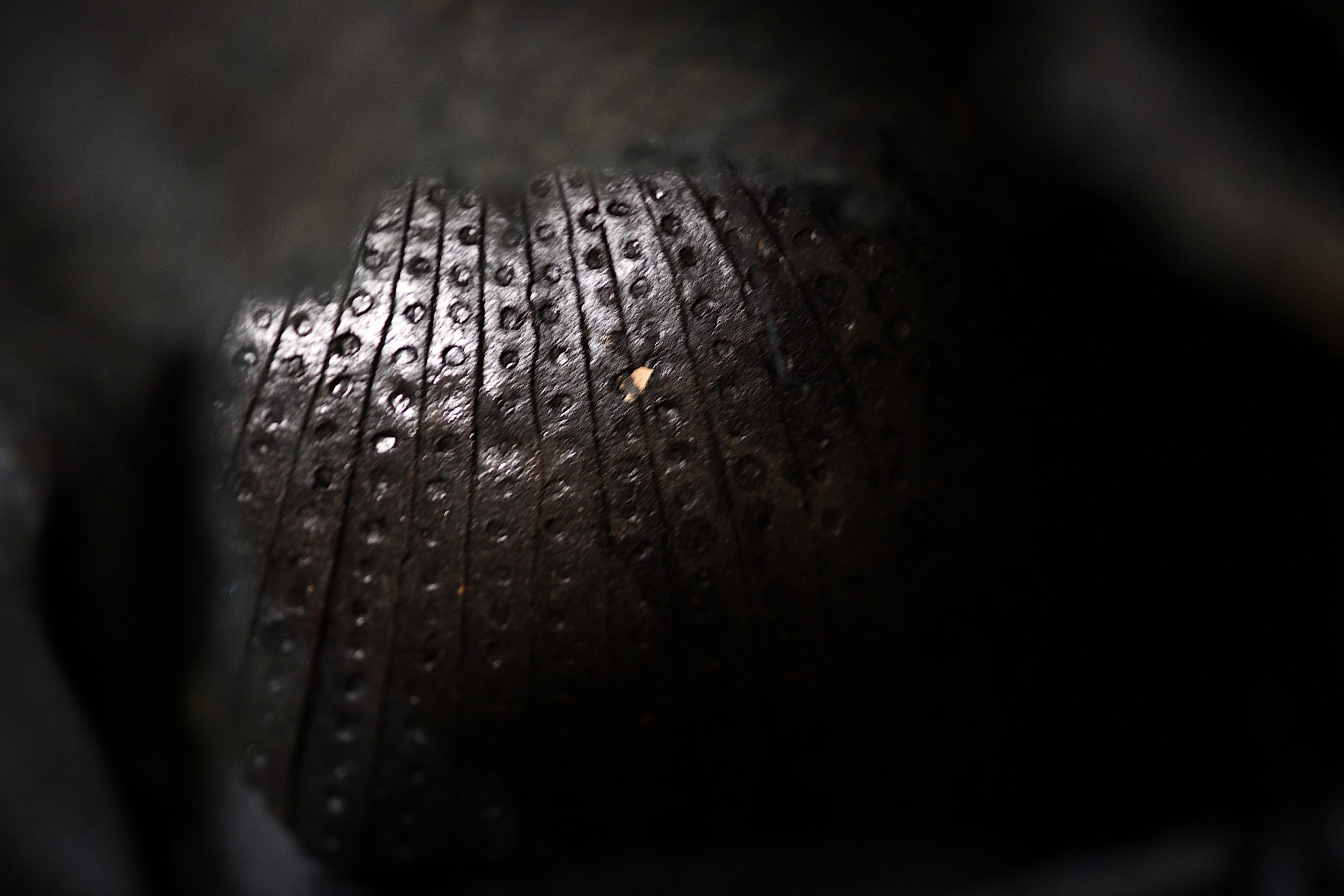
Magnificent Japanese kabuto from the 18th-19th century, crafted in forged iron with exquisite lacquer work on the shikoro. This helmet is a fine example of the suji bachi 62 plates kabuto type, composed of multiple vertical plates riveted together, converging at the top tehen no kanamono, which is delicately decorated in gilded metal. The forging shows exceptional craftsmanship, with precise rivet alignment reinforcing both strength and symmetry.
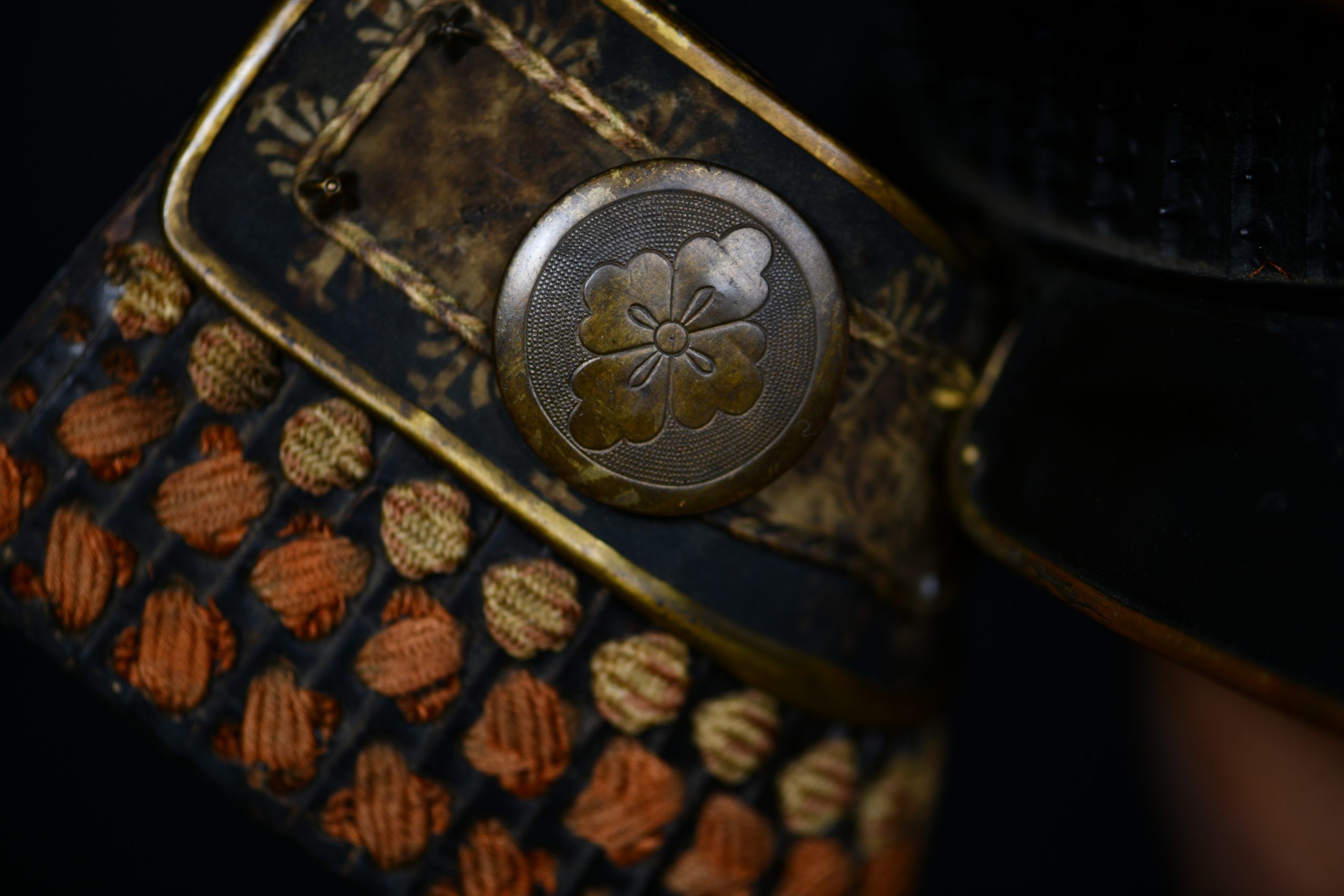
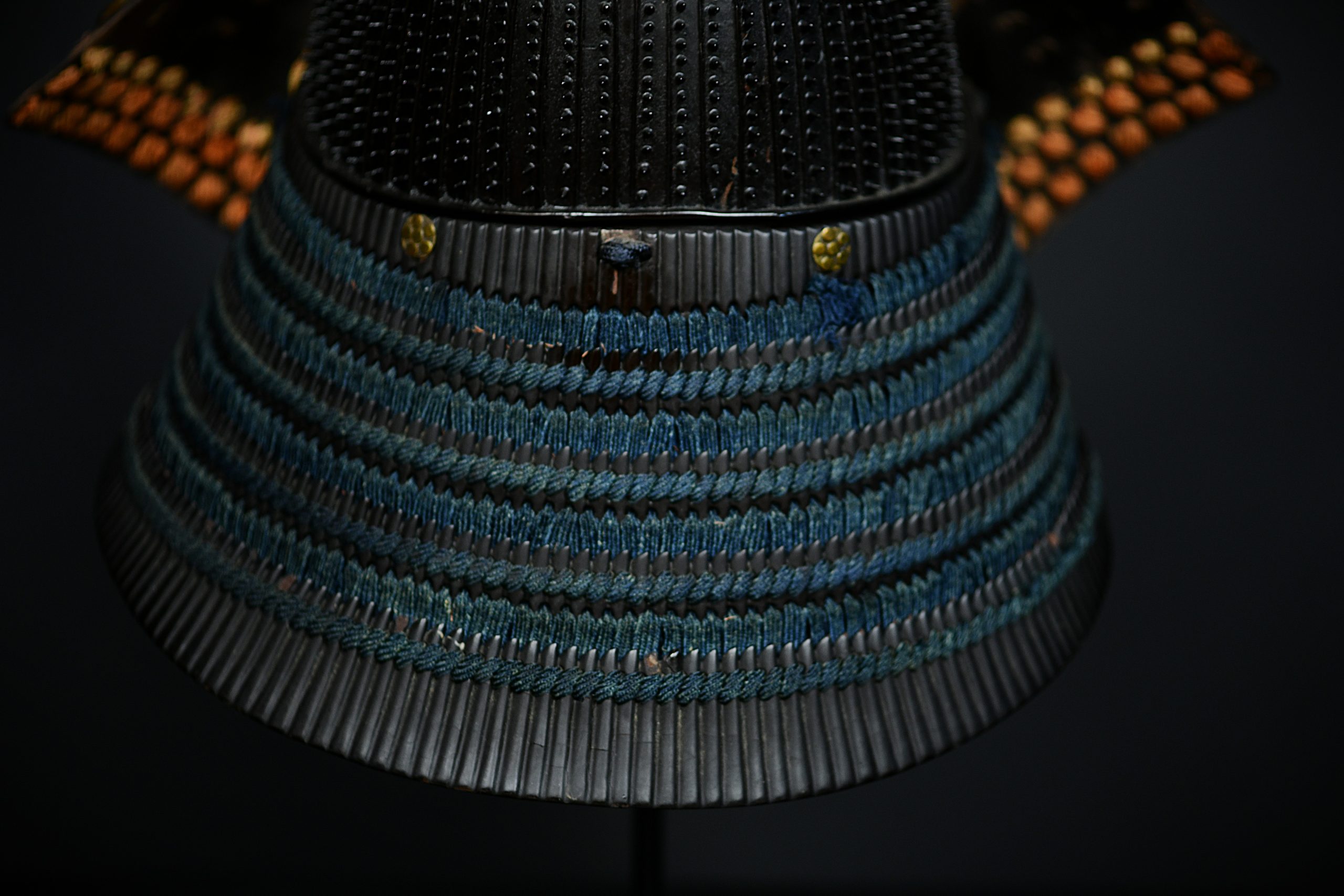
The shikoro (neck guard) features a rich black lacquer with dark blue silk lacing, perfectly preserved and visually striking. The large fukigaeshi on both sides are adorned with a metal mon (family crest) depicting a stylized floral motif, framed by remnants of gilding and subtle vegetal decorations on the lacquer surface.
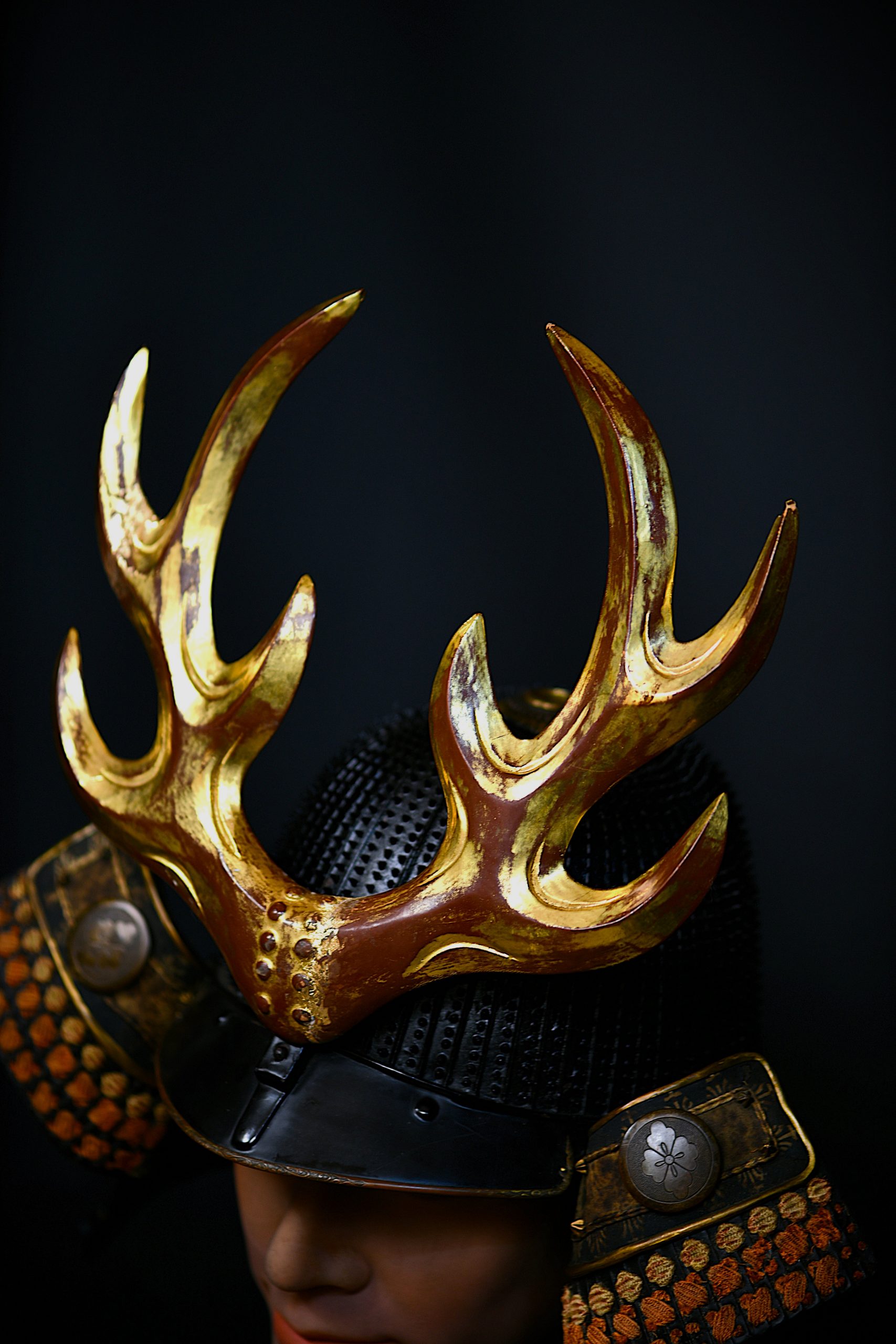
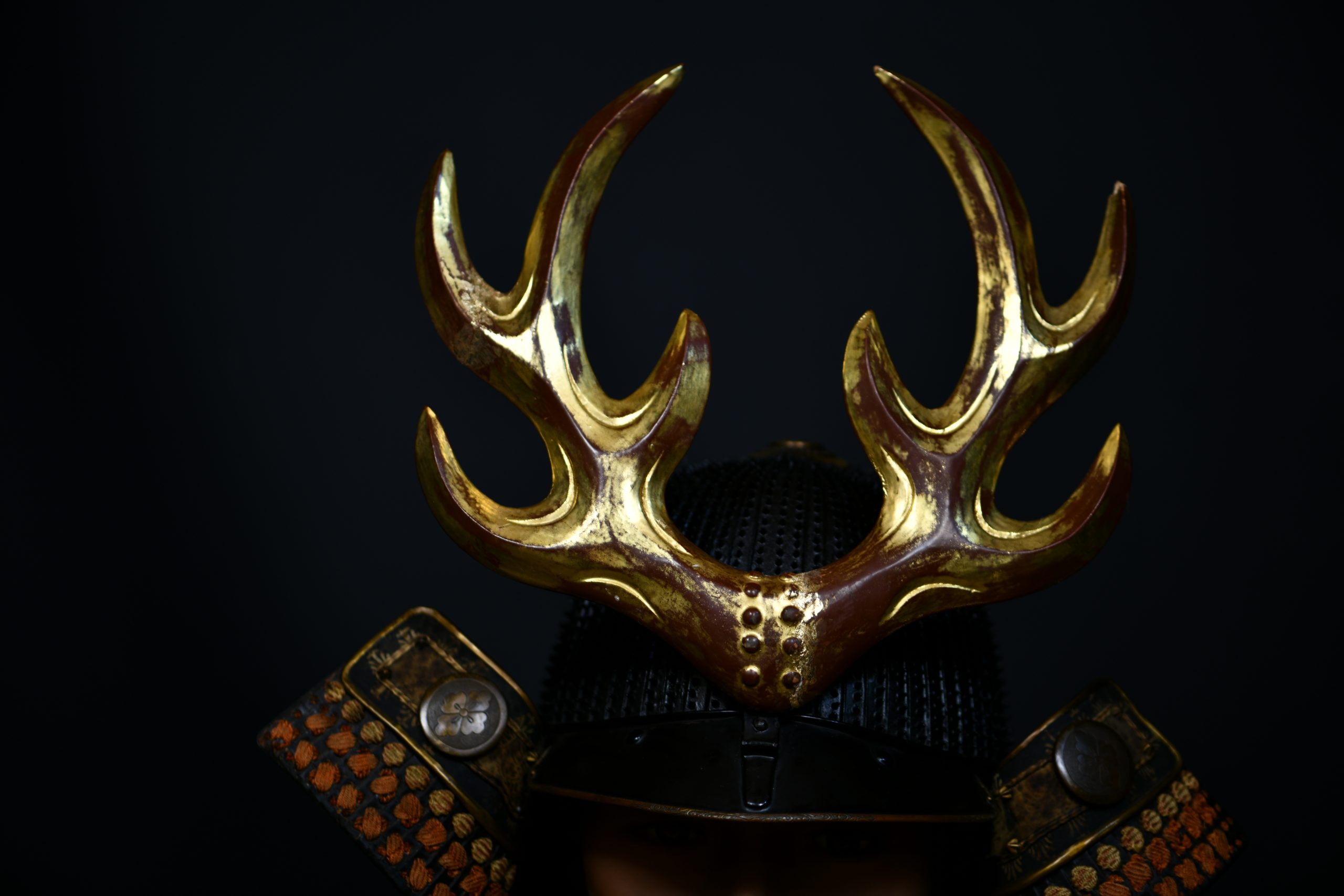
A grand maedate in the form of deer antlers (kuwagata) dominates the front, made of hardened leather or wood (nerikawa) and finished in reddish-brown and gold lacquer. This design symbolizes strength, resilience, and harmony with nature — and served both as a battlefield identifier and as a statement of prestige.
The tehen no kanamono, crowning the top, displays intricate concentric floral ornamentation in gilded metal, typical of high-quality Edo-period helmets.
Overall, this kabuto exemplifies the Japanese mastery of combining functionality with beauty — a harmonious blend of martial utility, refined artistry, and symbolic meaning deeply rooted in the samurai ethos.
