
Description
Free Shipping.
ITEM DESCRIPTION:
Comes with kimono or cotton bag. Comes with certificate of supein Nihonto. Comes with original prefecture certificate. Comes with NTHK kanteisho certificate.
A refined work from the late Edo period
This tantō, signed 直口住兼利 (Naokuchi-jū Kanetoshi), is a remarkable example of late-Edo craftsmanship, combining a finely forged blade with a luxury koshirae executed with outstanding technical mastery.
The entire ensemble —blade, mountings, lacquer work, and documentation— presents a coherent, elegant and highly prestigious piece. Blade lenght 22,7 cm.
1. The Blade — Kanetoshi, late Edo period
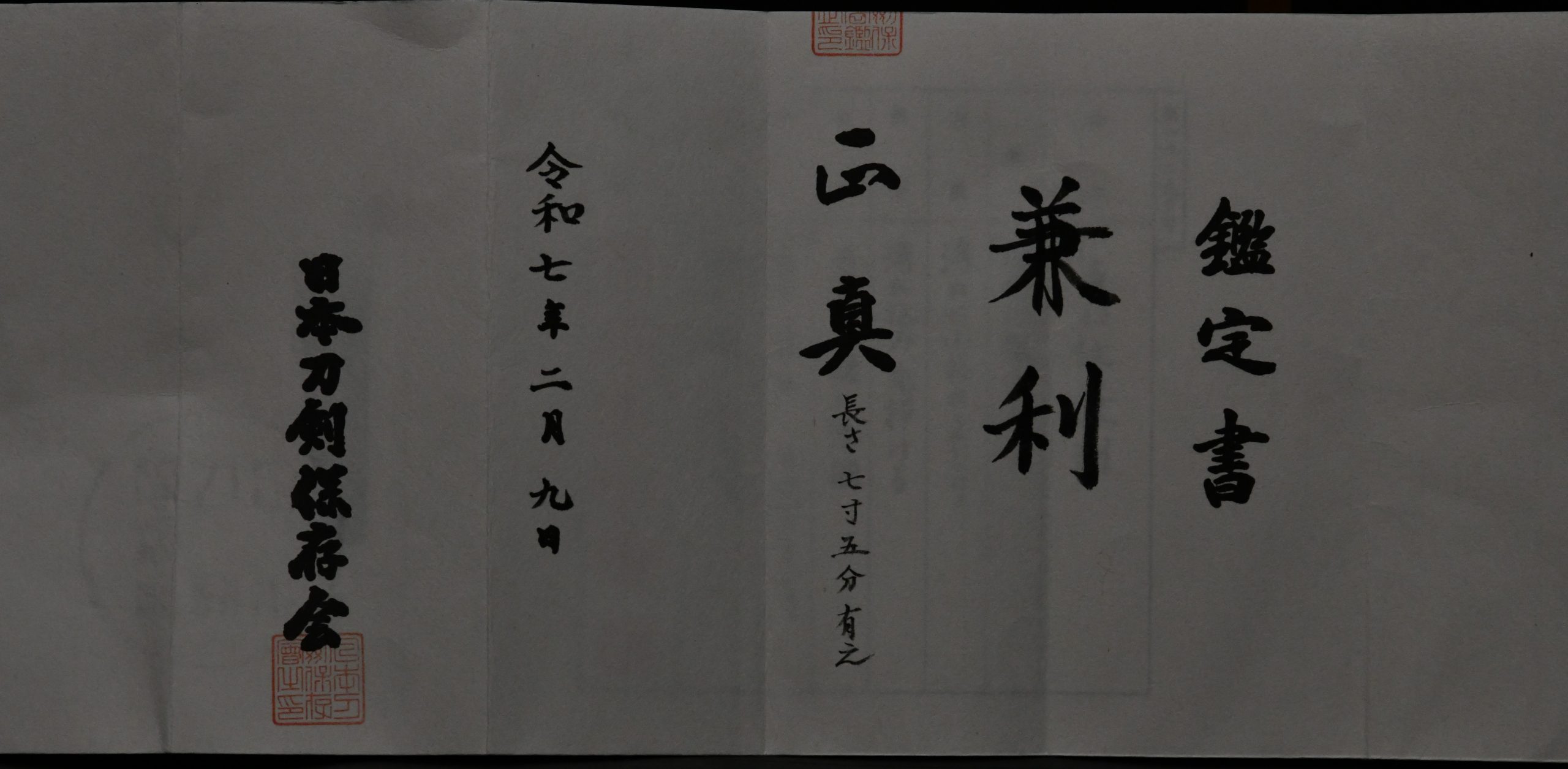
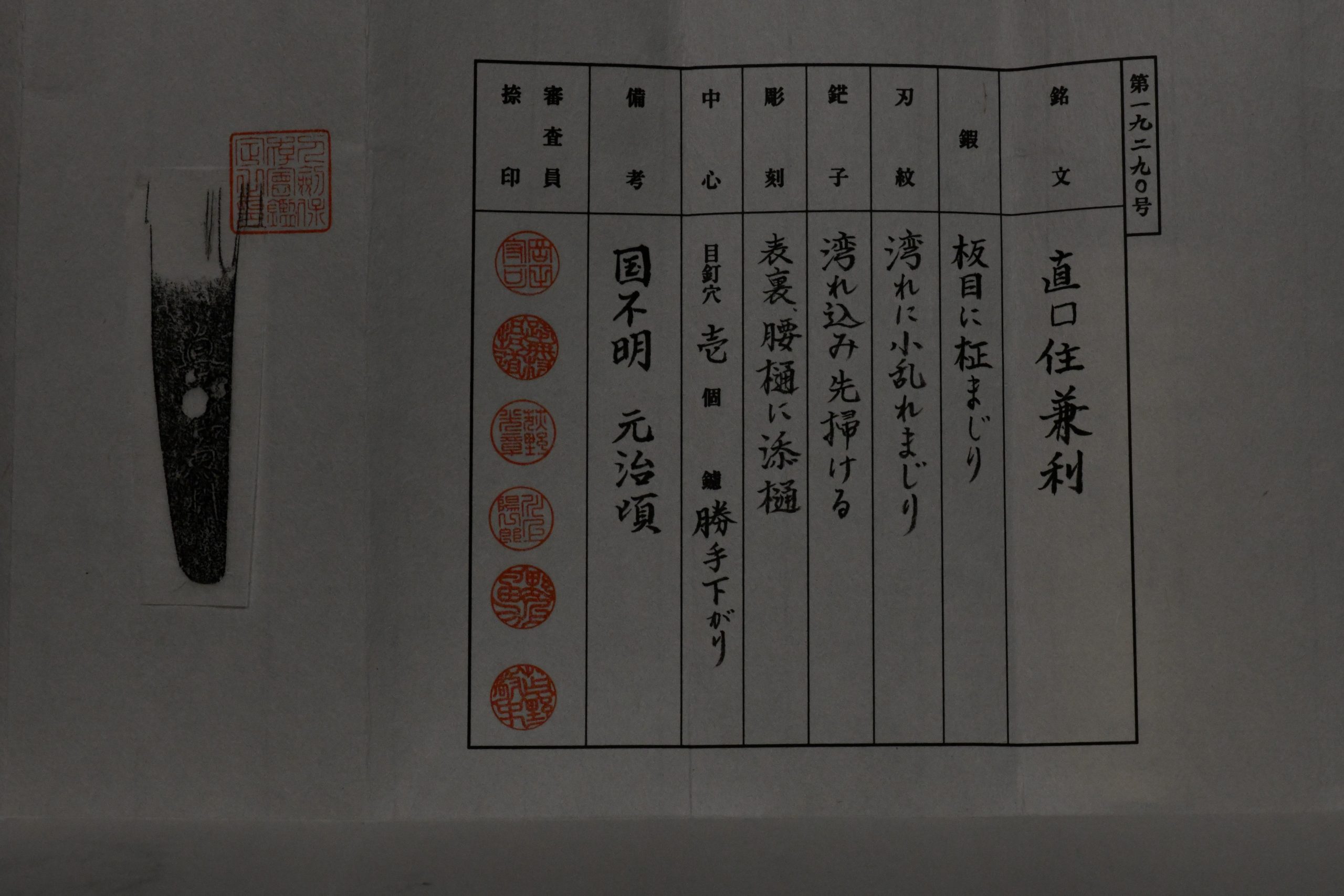
The signature 兼利 (Kanetoshi) corresponds to a smith active in the greater Mino tradition and surrounding regions during the Edo period. The blade has been formally authenticated by the NTHK (Nihon Tōken Hozon Kai), which attributes it to:
「国不明 元治頃」 — “Undetermined school, Genji era (1864–1865)”,
placing it firmly in the late Edo period, just prior to the Meiji Restoration.
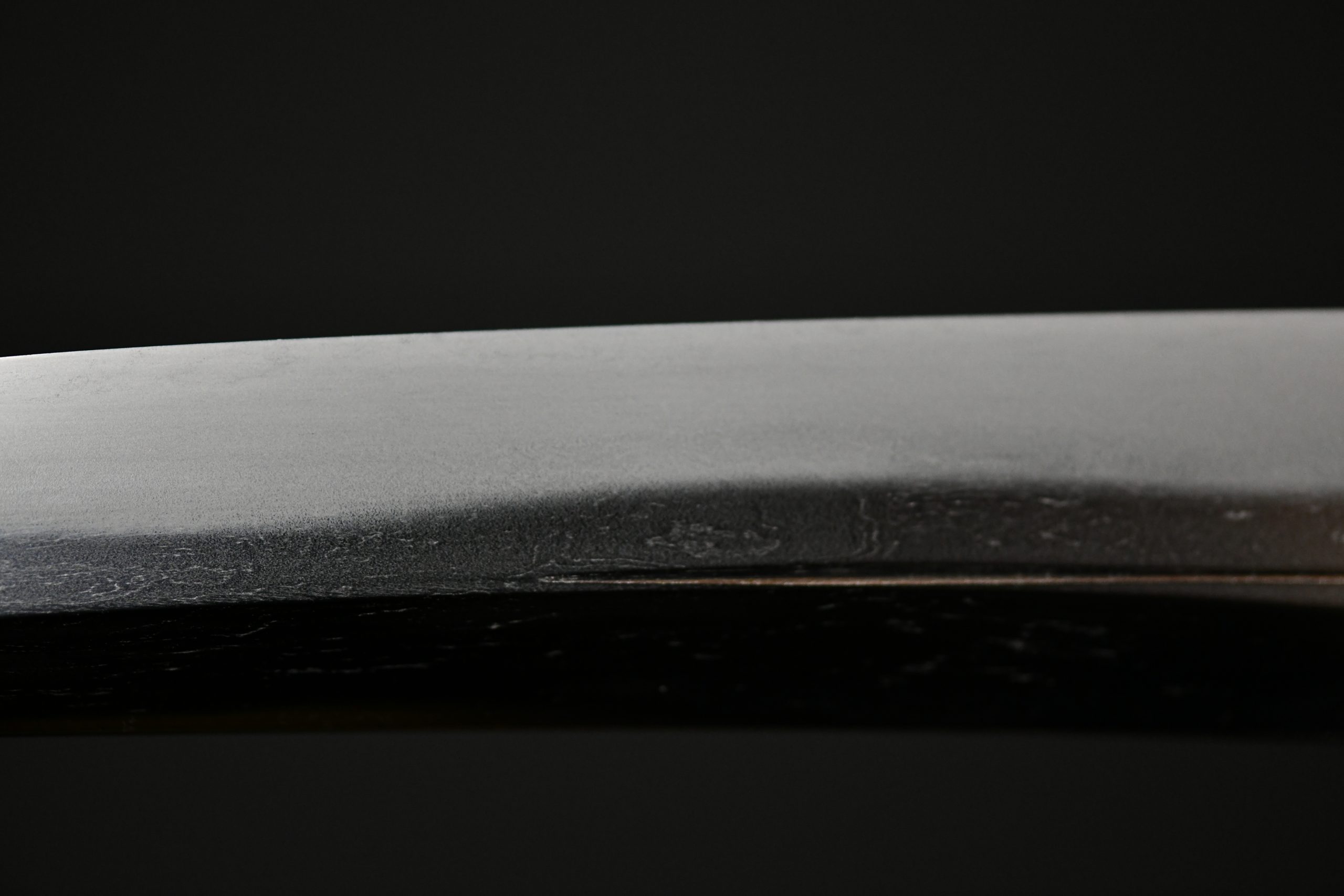
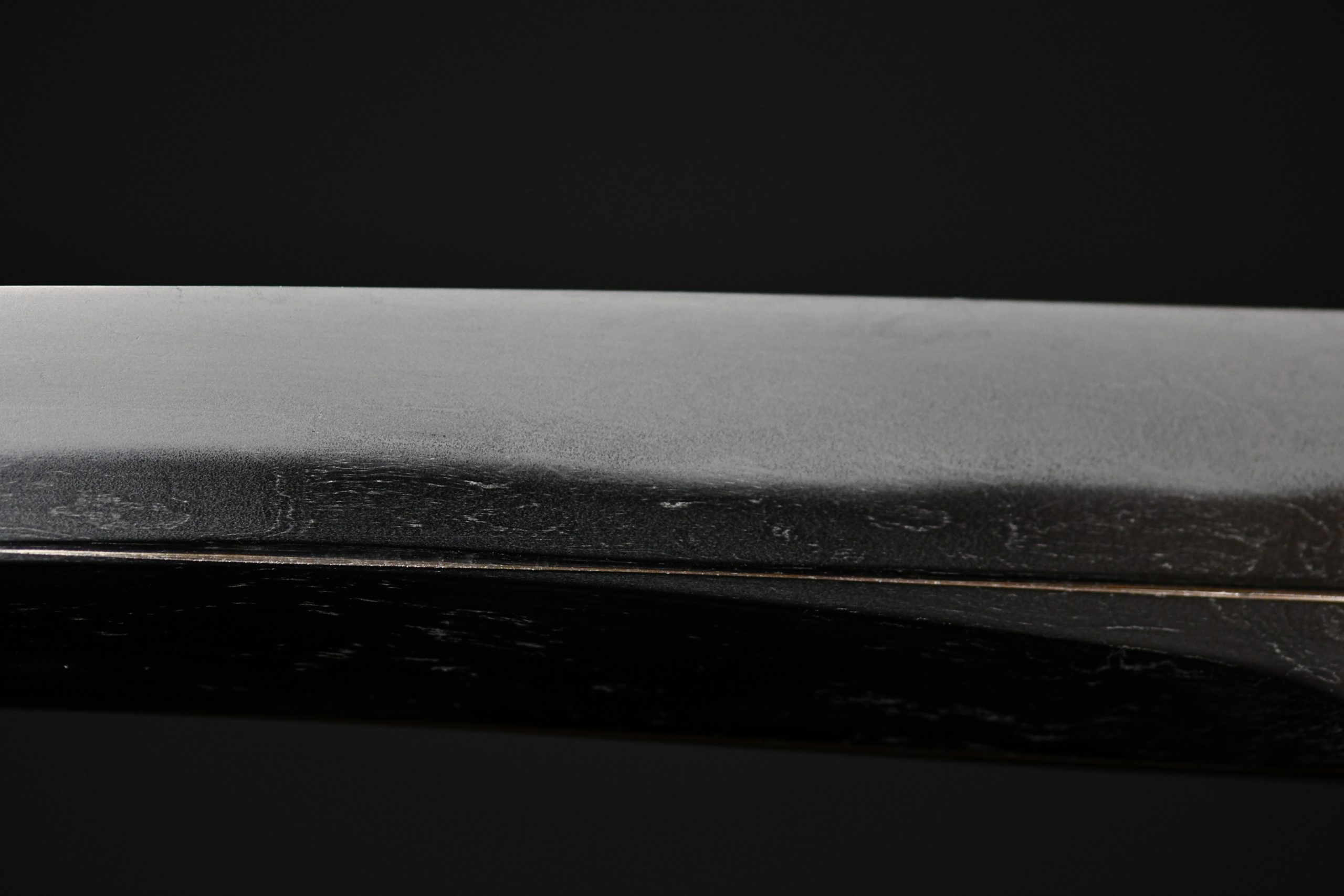
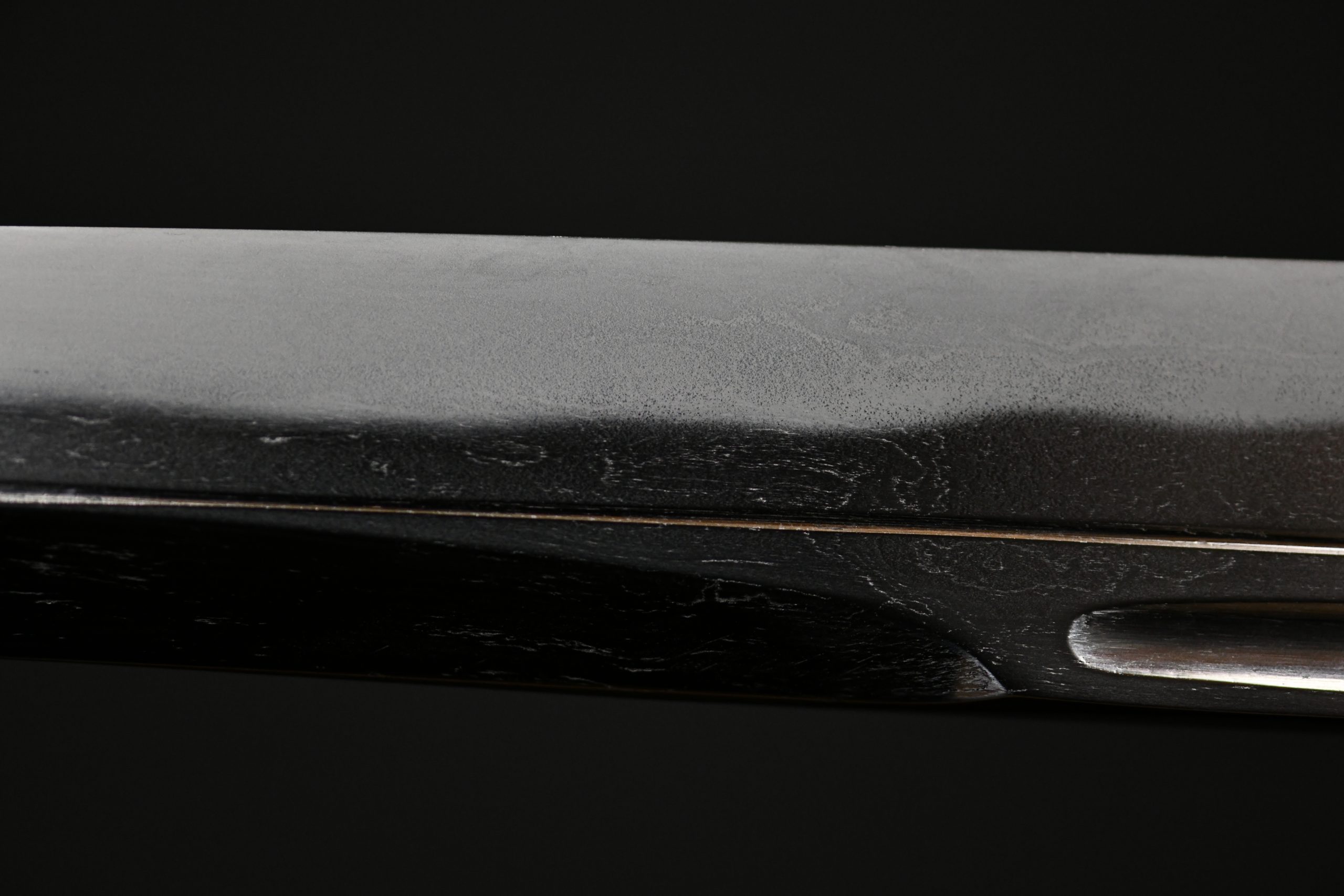
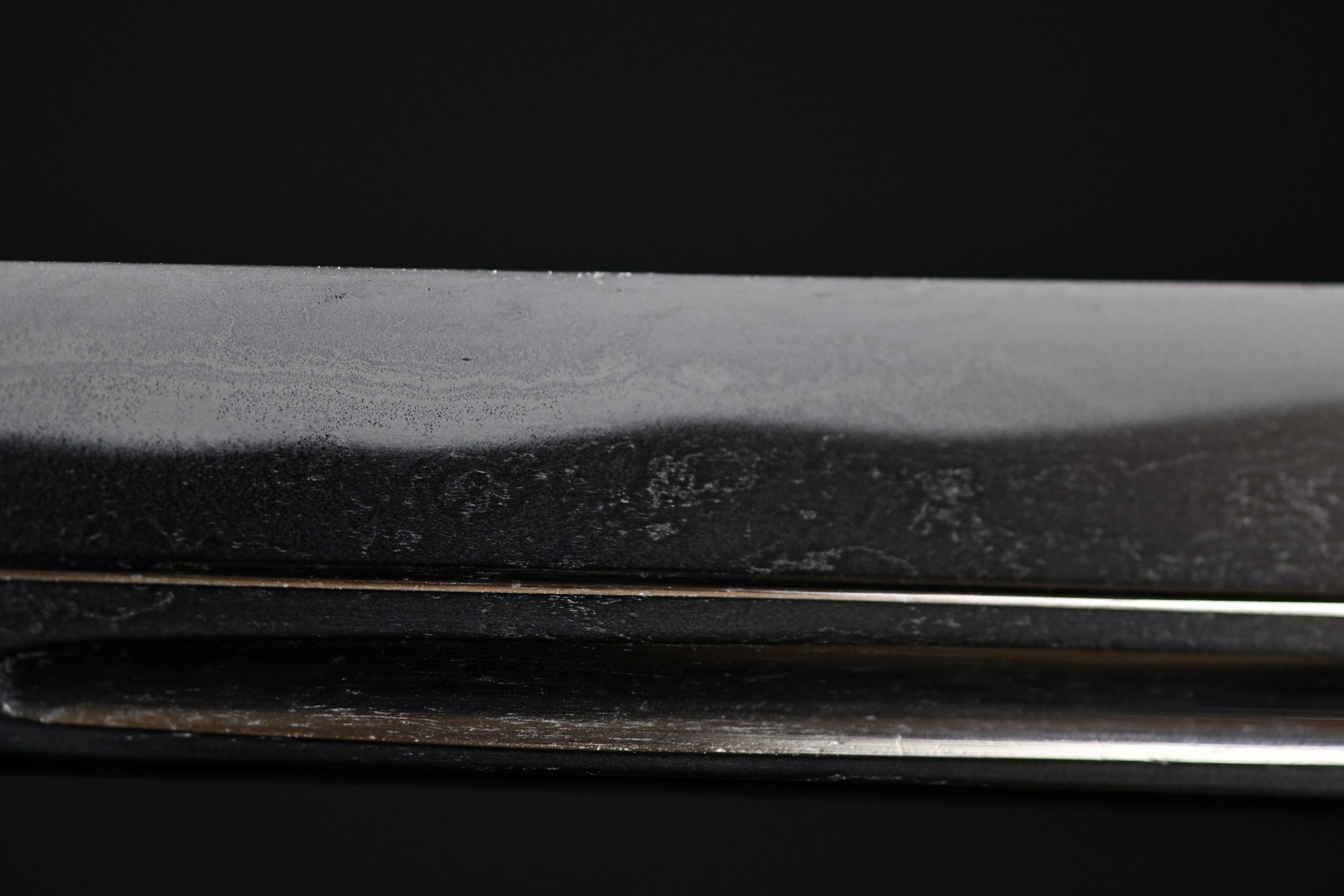
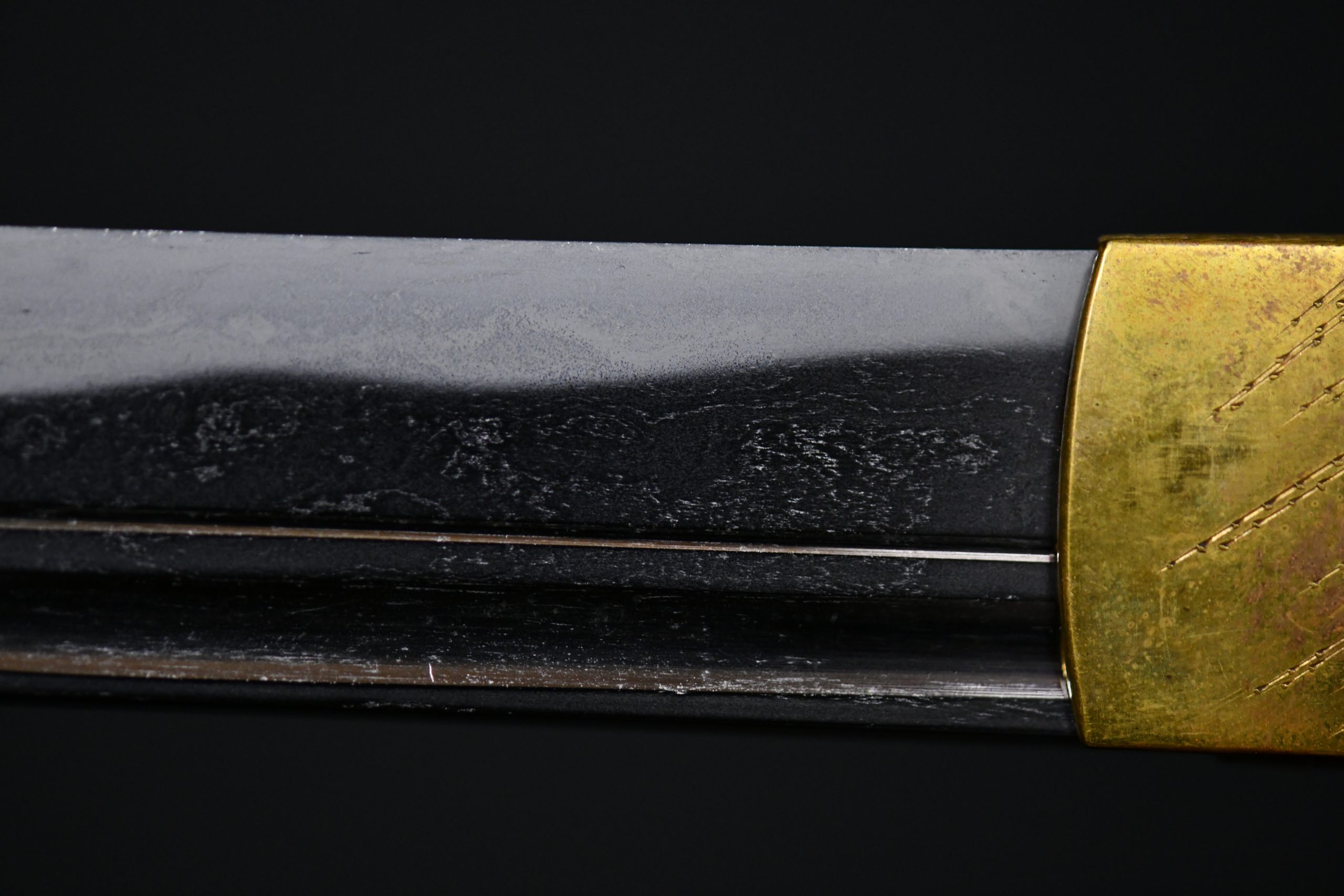
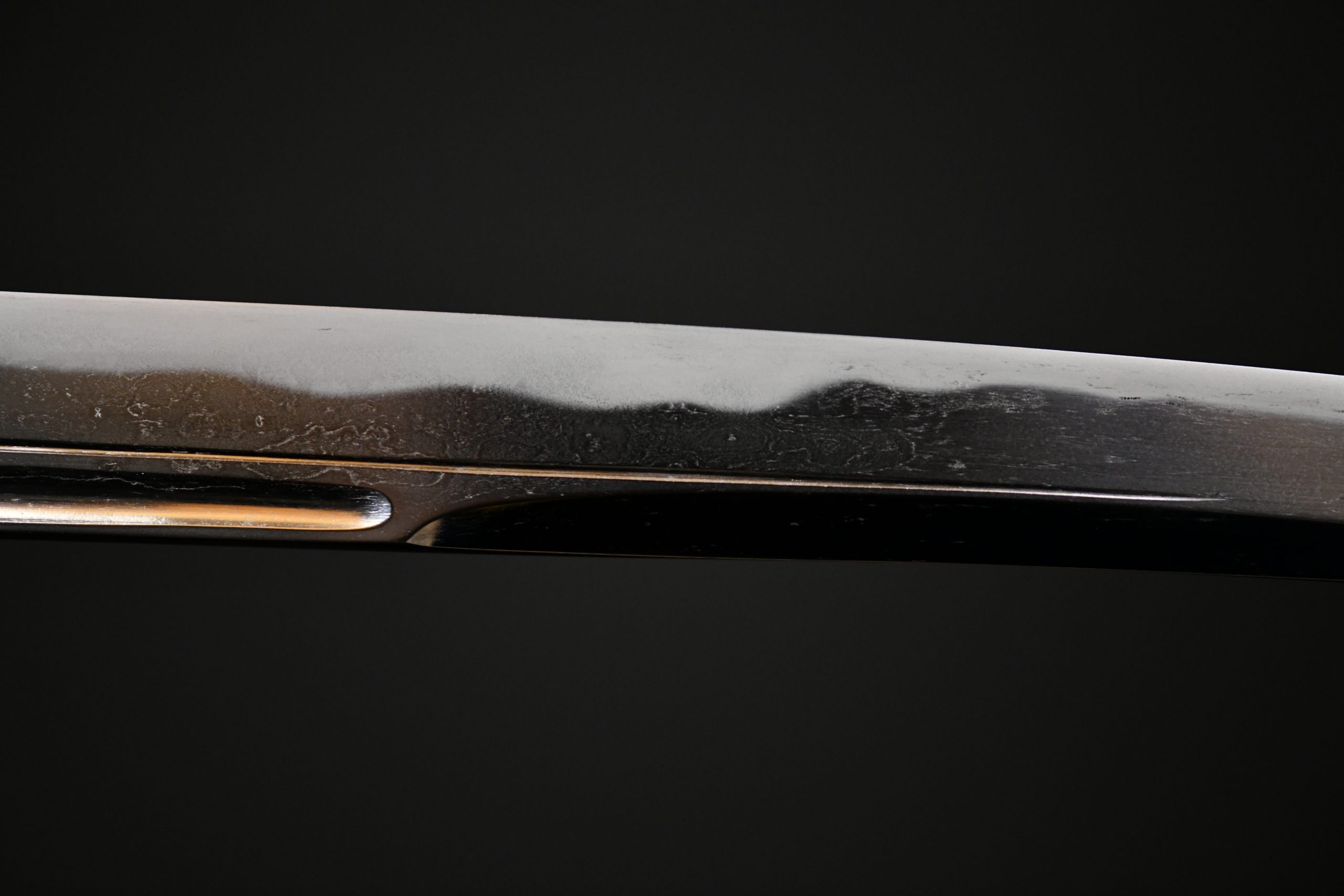
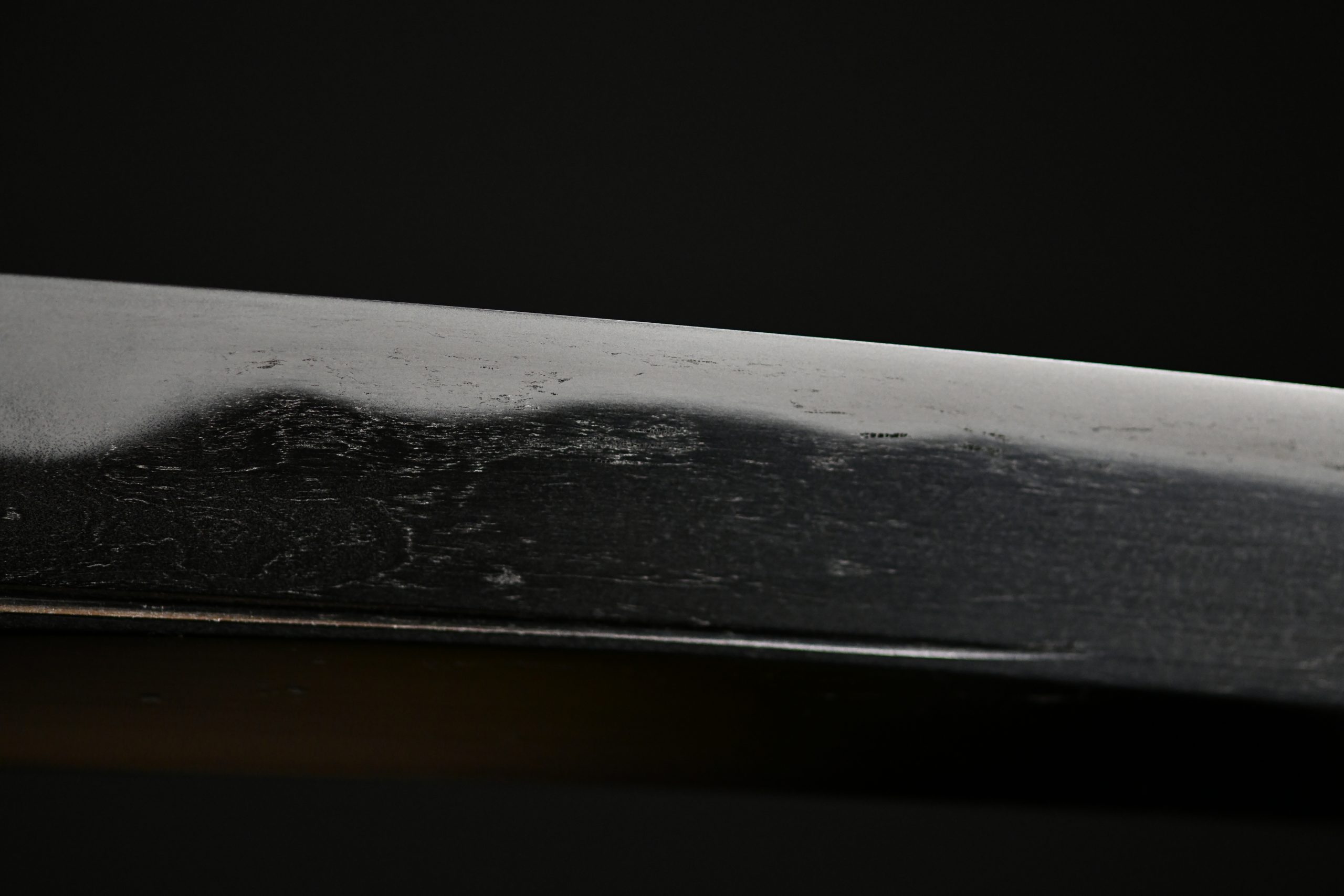
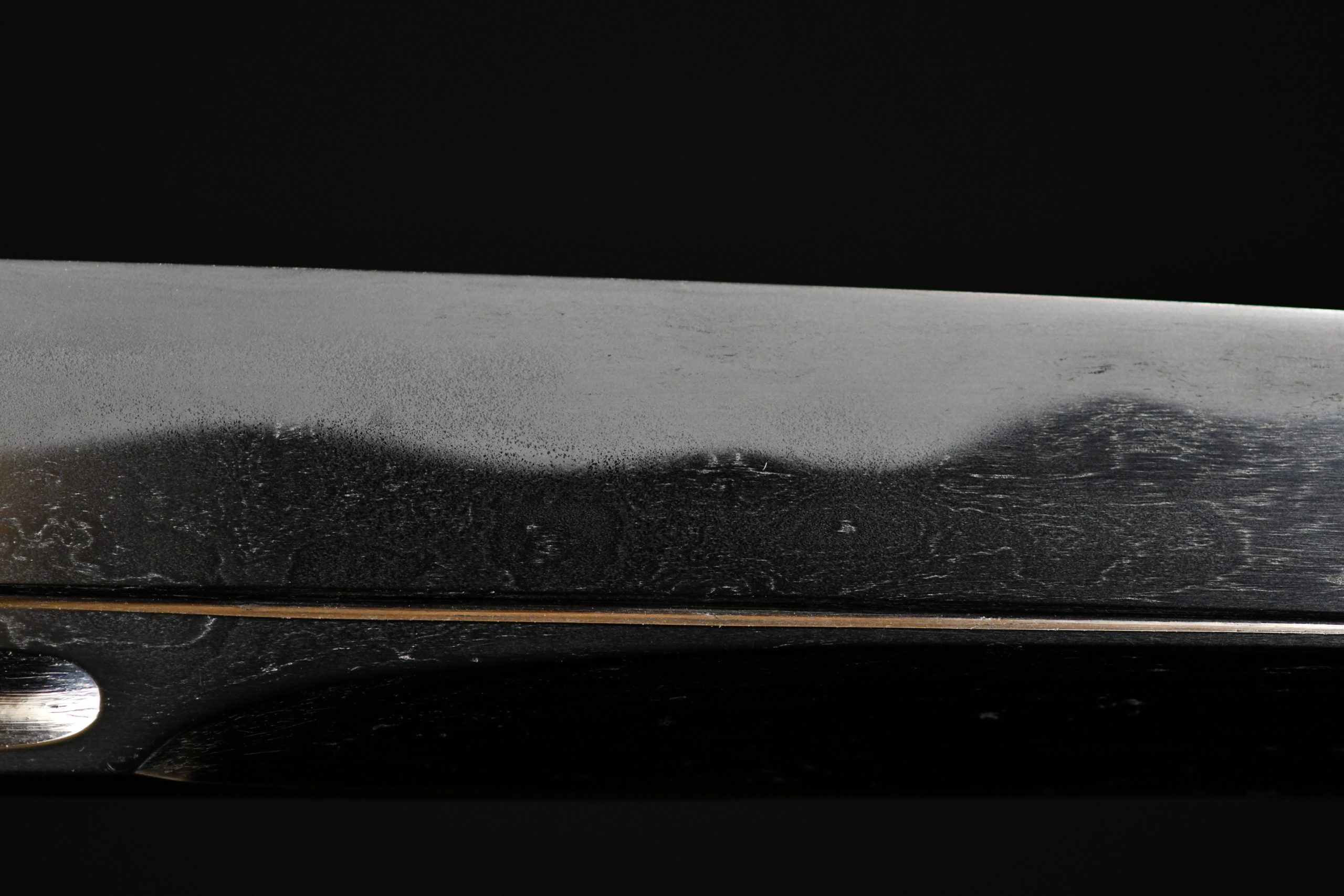
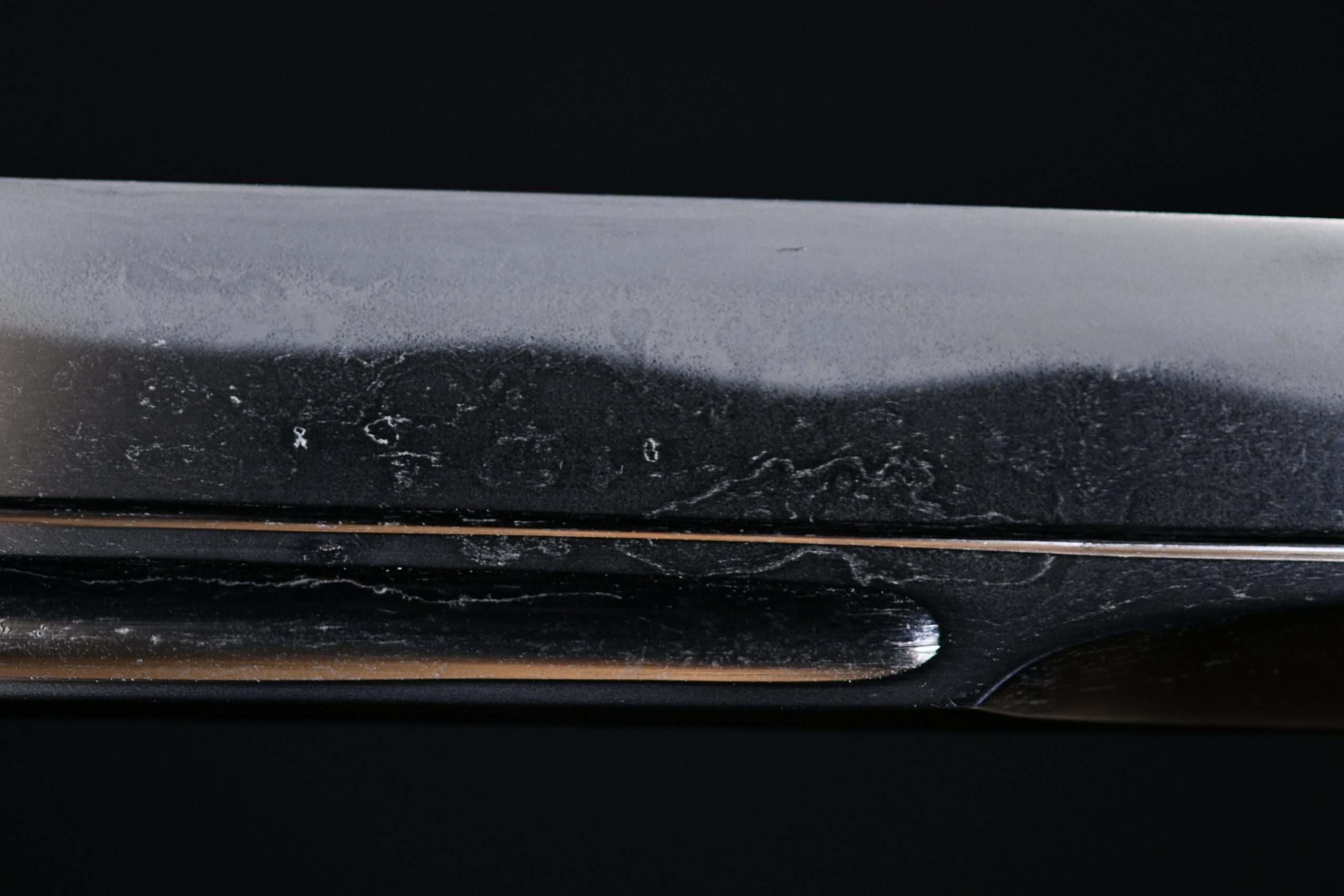
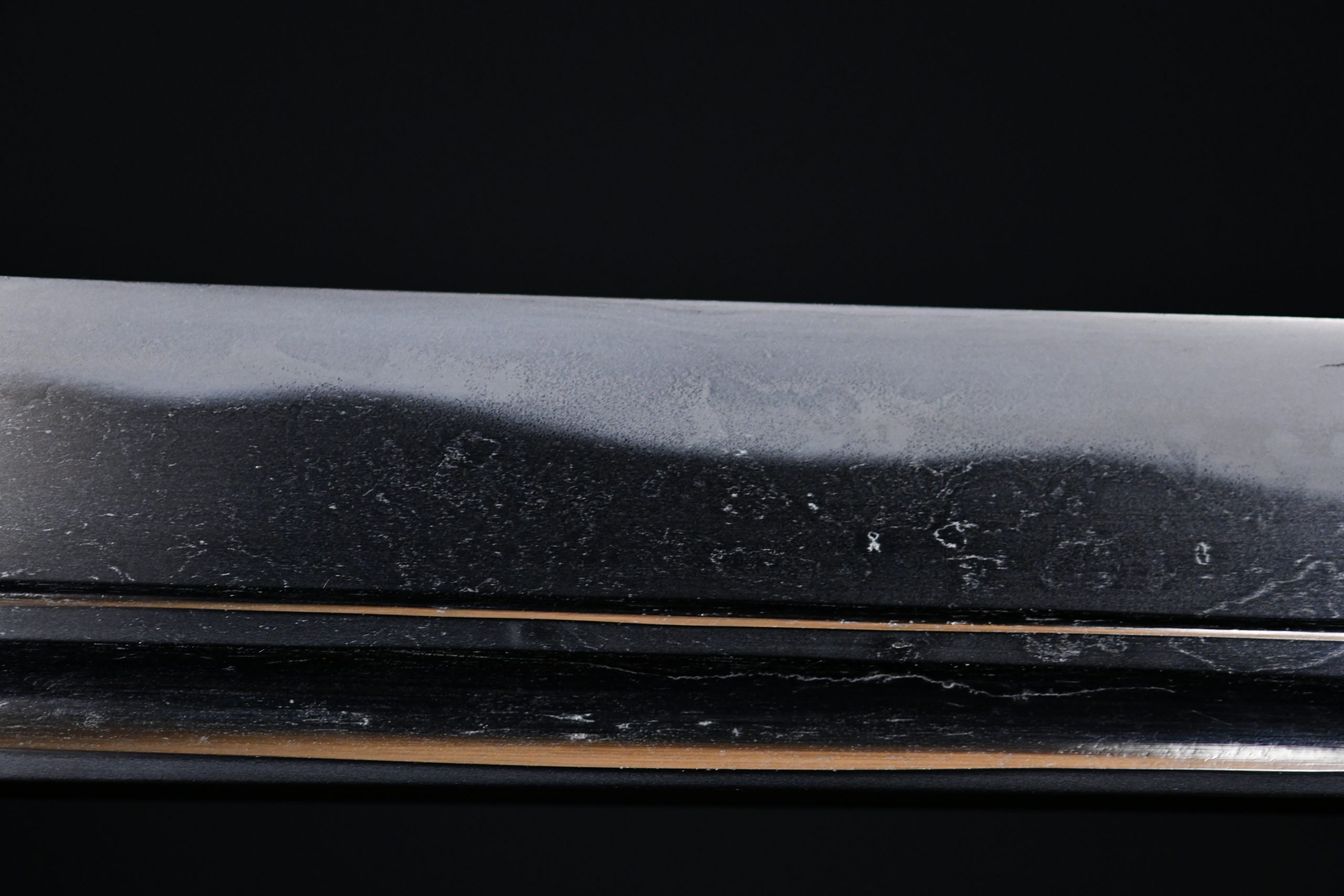
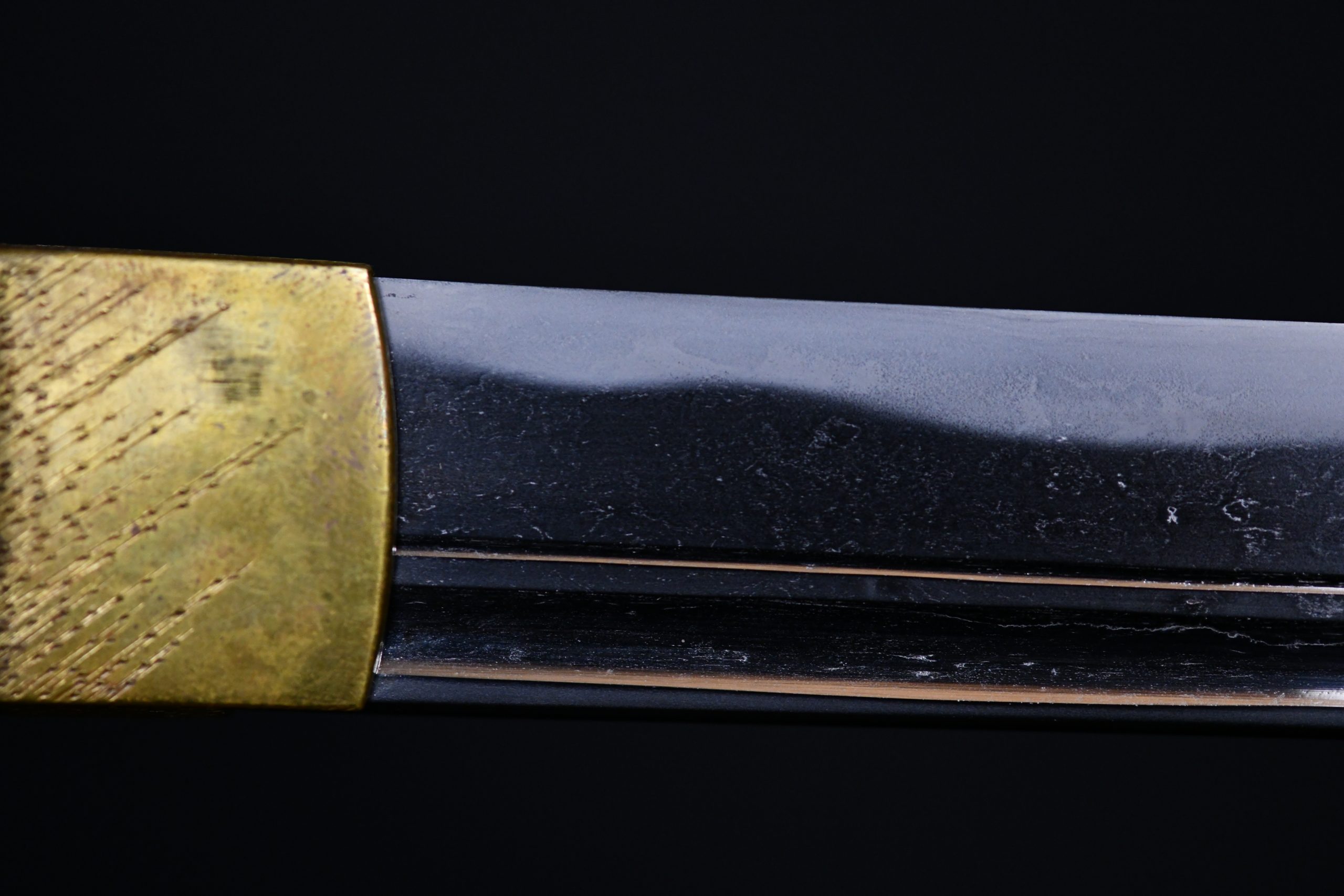
Hada — Itame mixed with mokume
The jihada displays a lively, expressive itame combined with mokume.
This creates a rich, layered steel texture visible under proper lighting. Activity, nie, and subtle depth are clearly present—hallmarks of careful forging and proper polishing.
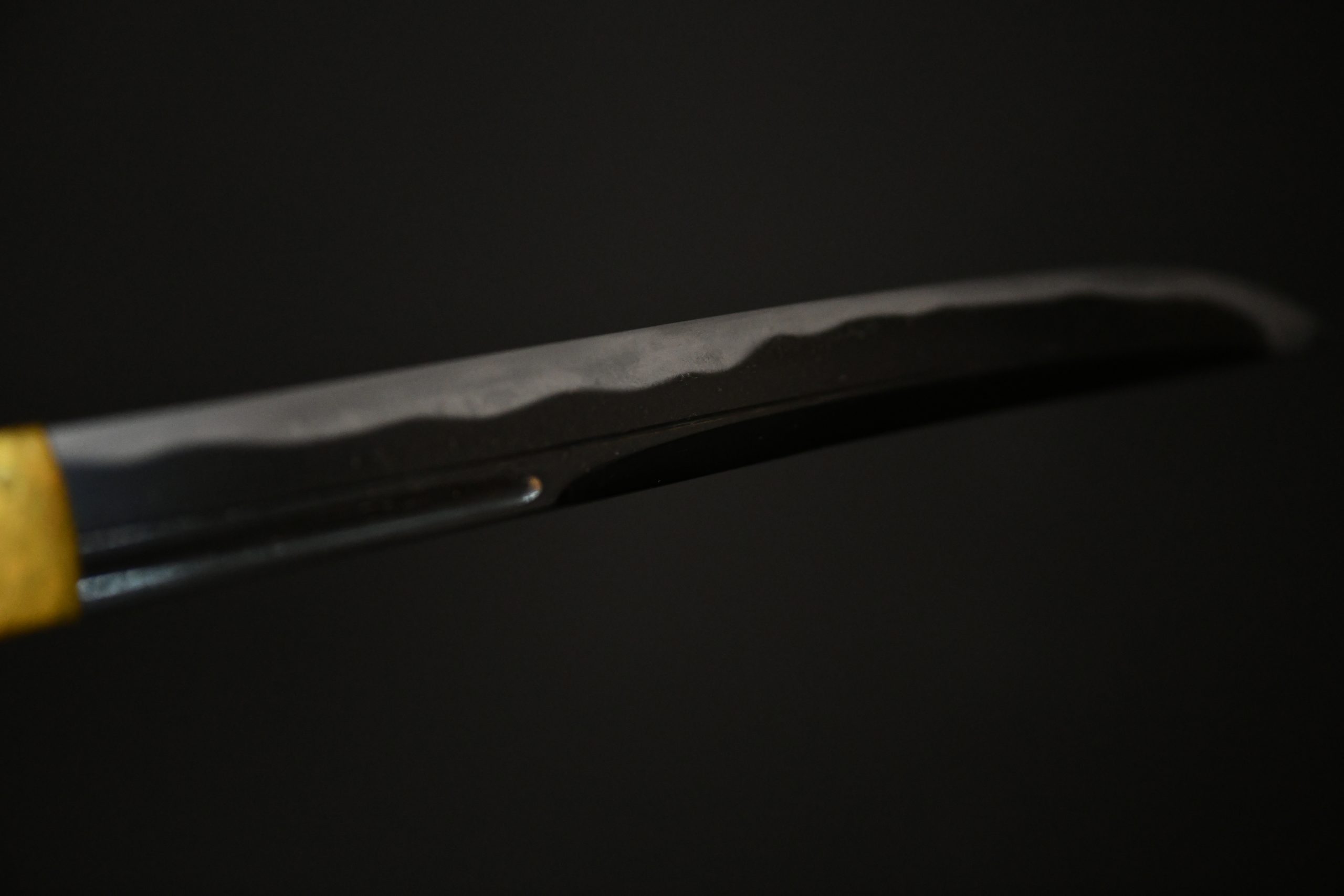
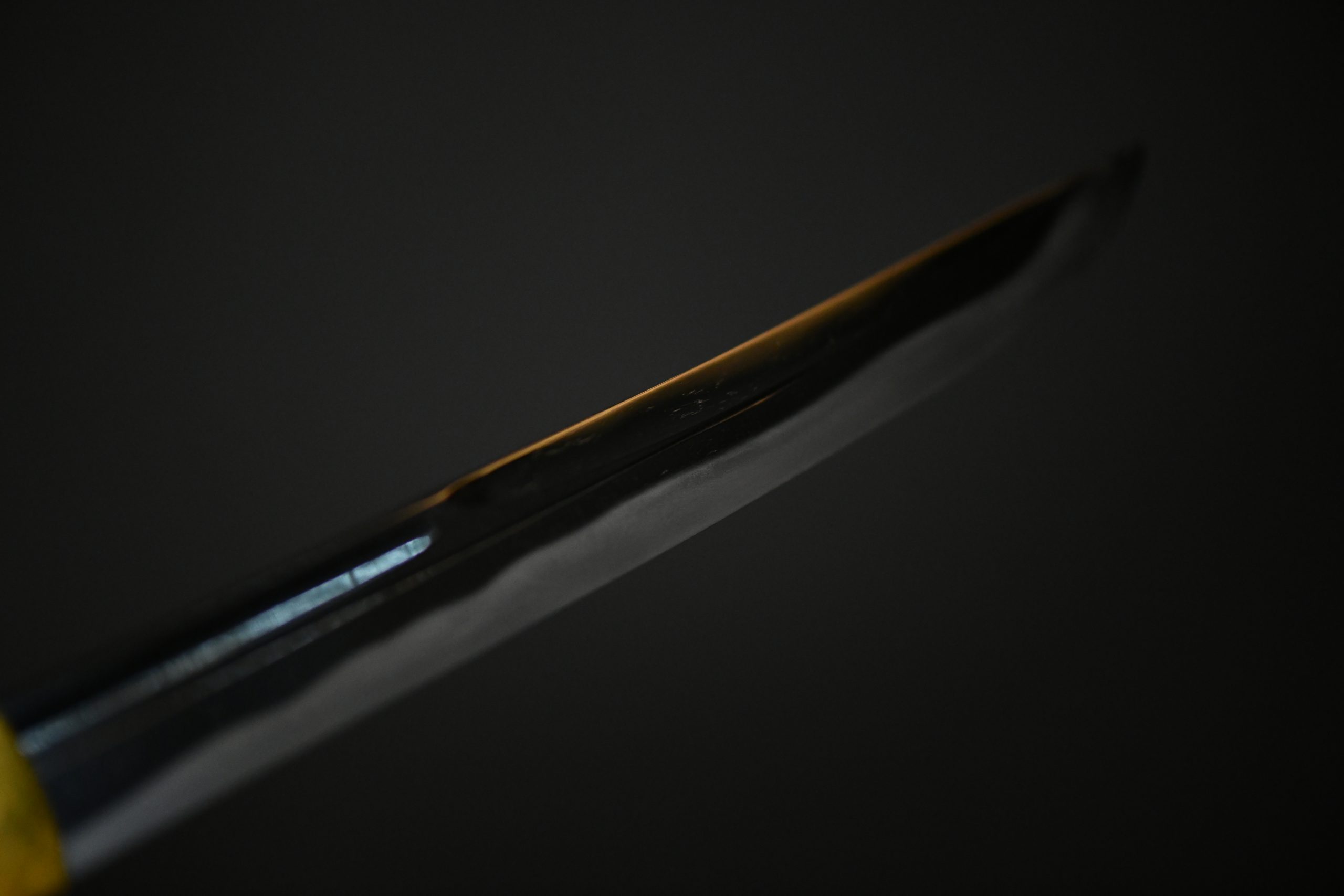
Hamon — Notare with ko-midare
According to the certificate:
「湾れに小乱れまじり」 — a flowing notare with small irregularities.
It is elegant, rhythmic, and visually engaging, with additional heat-treatment phenomena (yubashiri, yutsuri) that enhance the character of the blade.
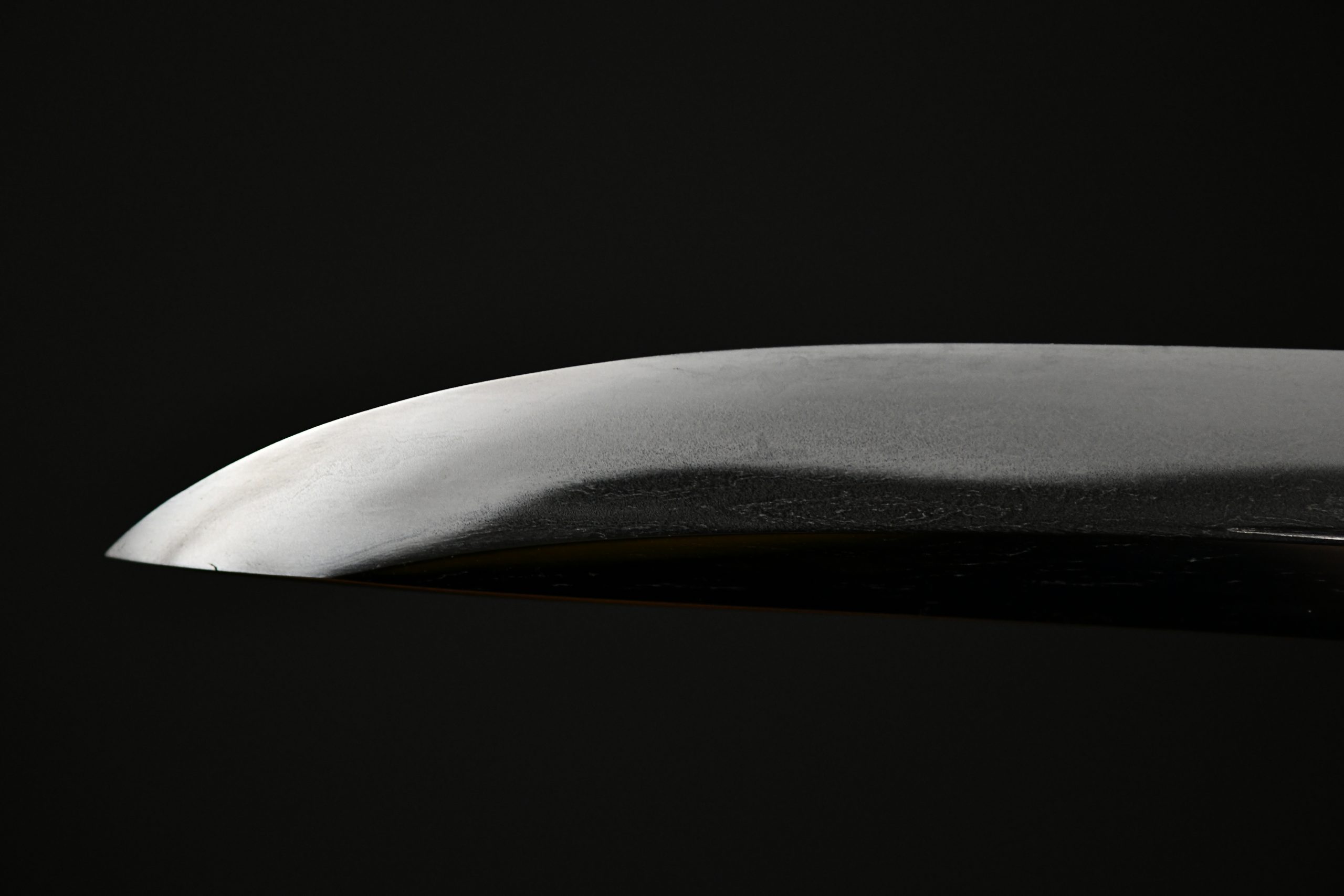
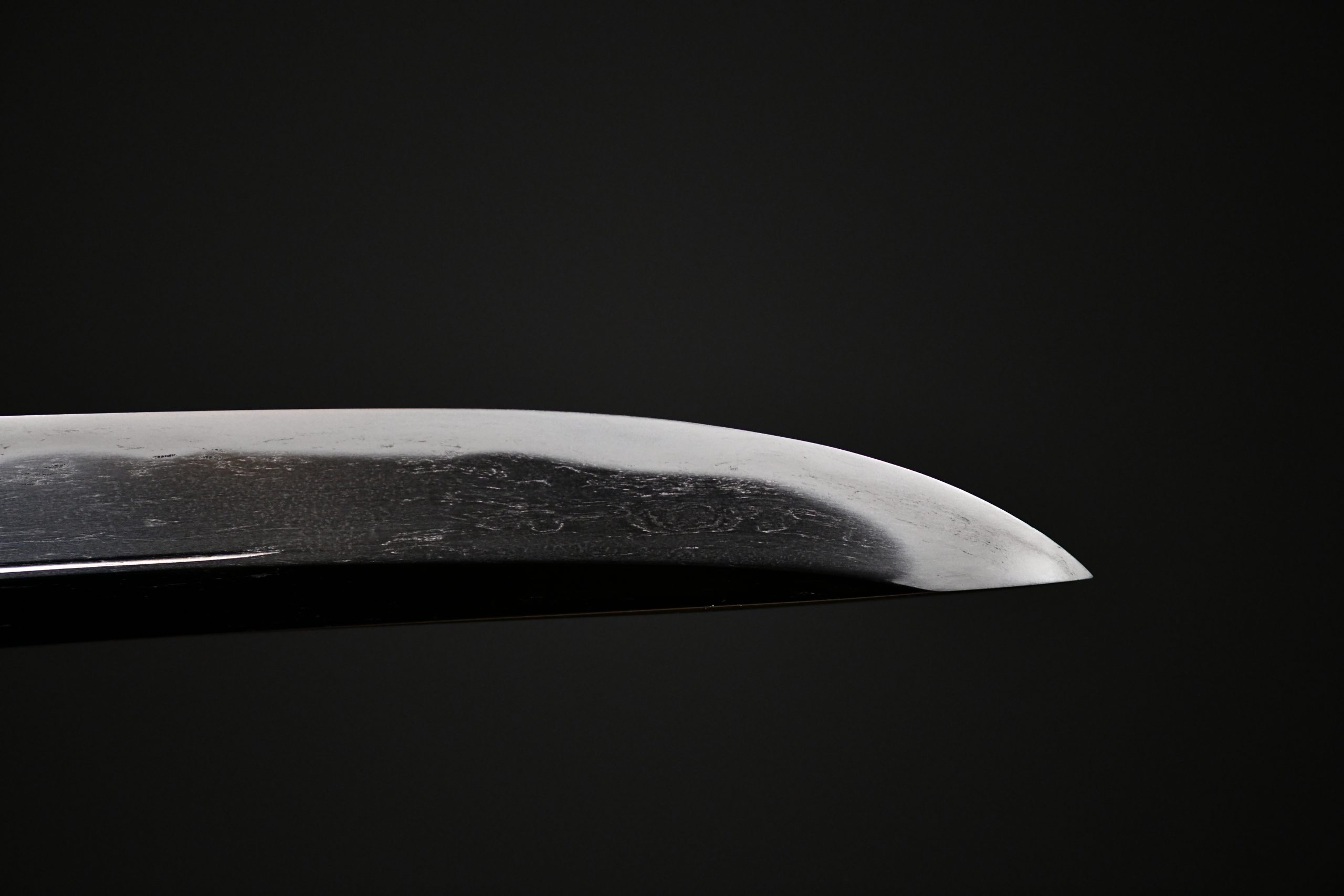
Boshi — Strong and clean
Described as:
「焼き込み先掃ける」 — deeply extended, ending in a clean brushed-out finish.
A textbook late-Edo boshi.
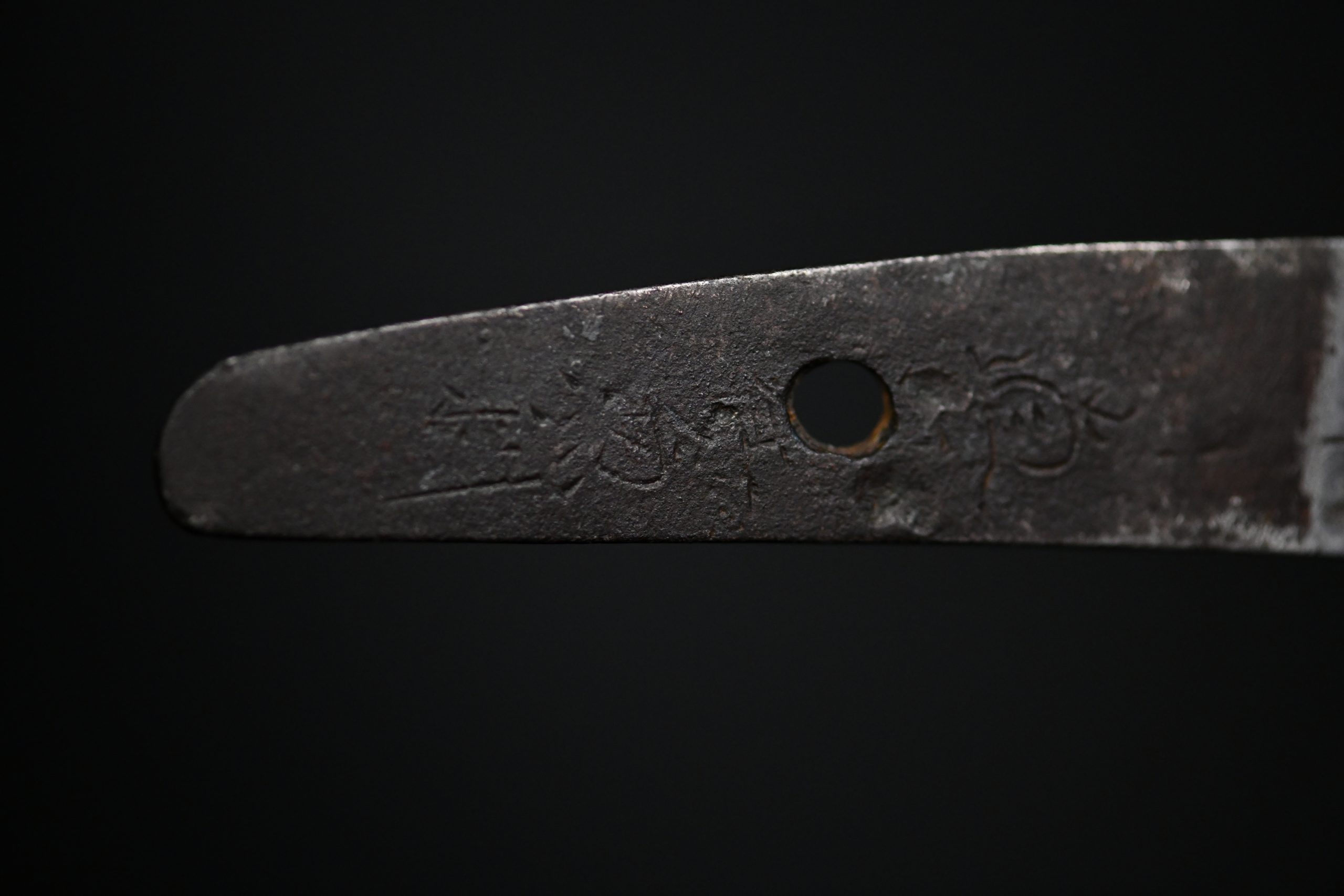
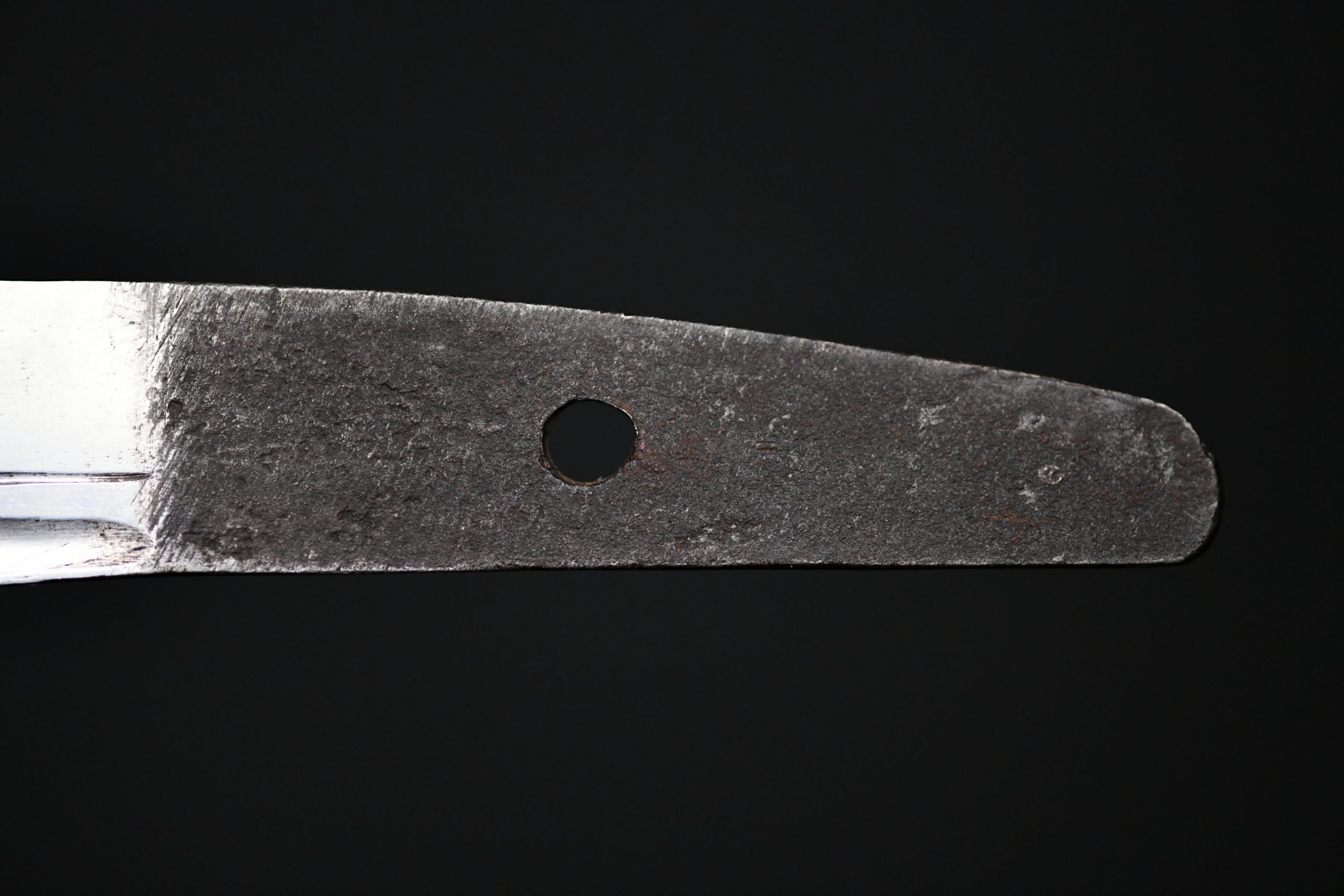
Nakago — Honest, untouched Edo patina
One mekugi-ana, fine patina, and a signature executed with confidence.
Unaltered, stable, and completely authentic.
Overall, this is a well-forged, balanced and aesthetically strong Edo tantō, with official authentication and excellent preservation.
2. The Koshirae — Late Edo, luxury execution, workshop of high rank
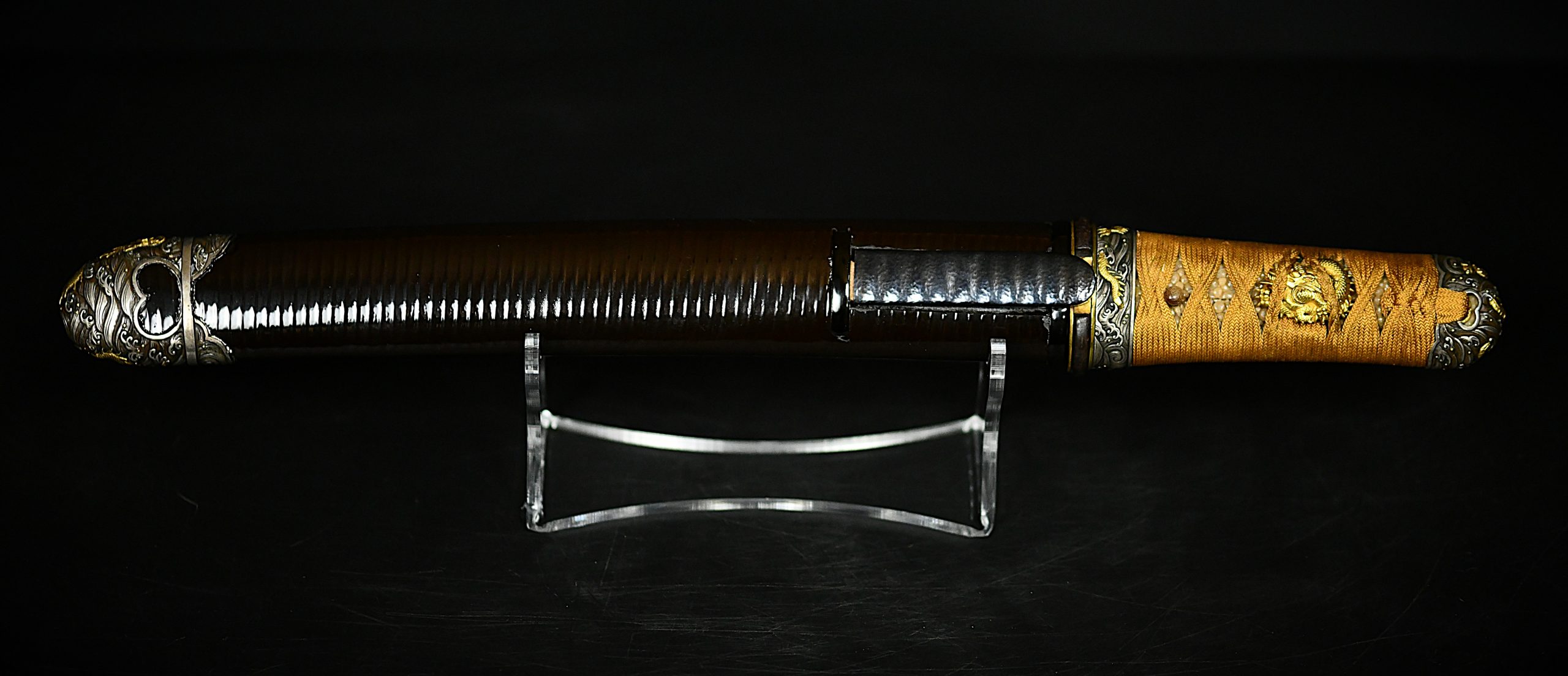
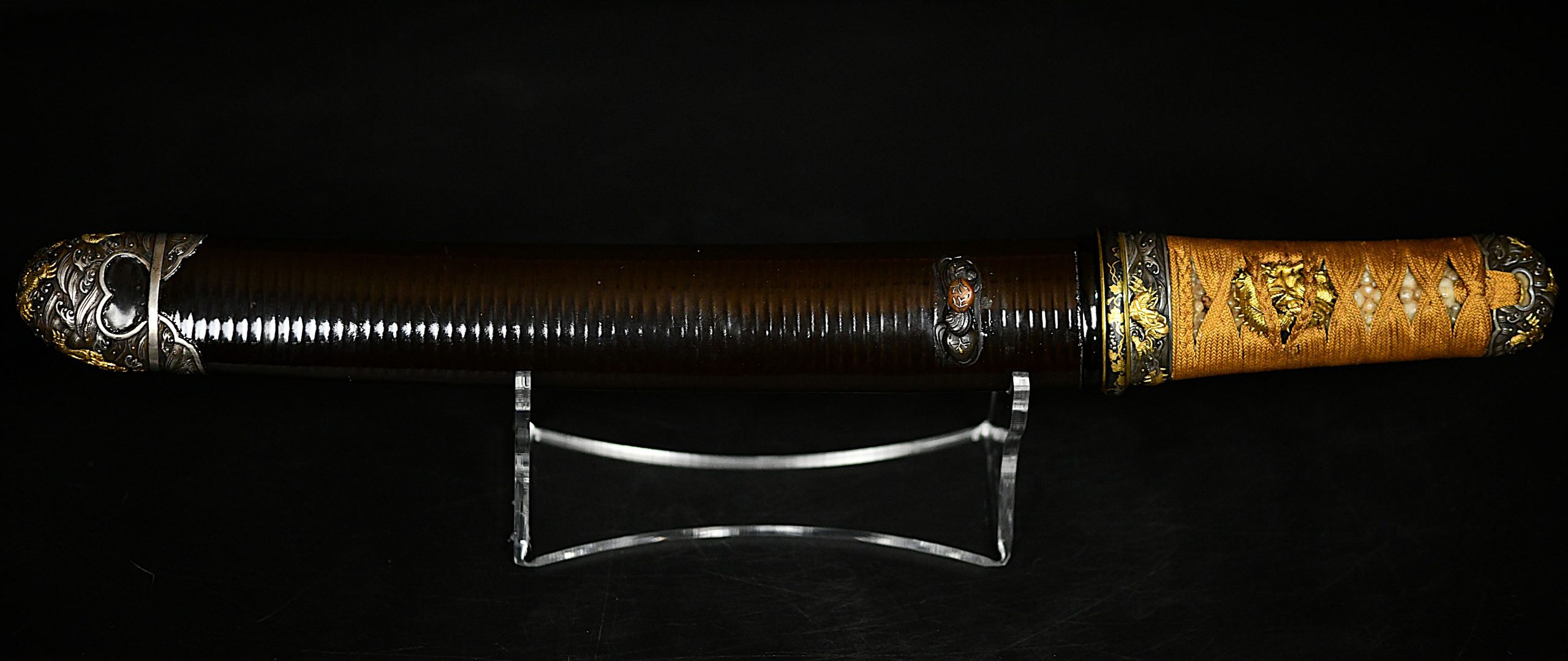
The koshirae is one of the most striking elements of this piece. This is not a simple or functional mounting:
it is a luxury Edo koshirae, made with fine materials and an extraordinary level of detail.
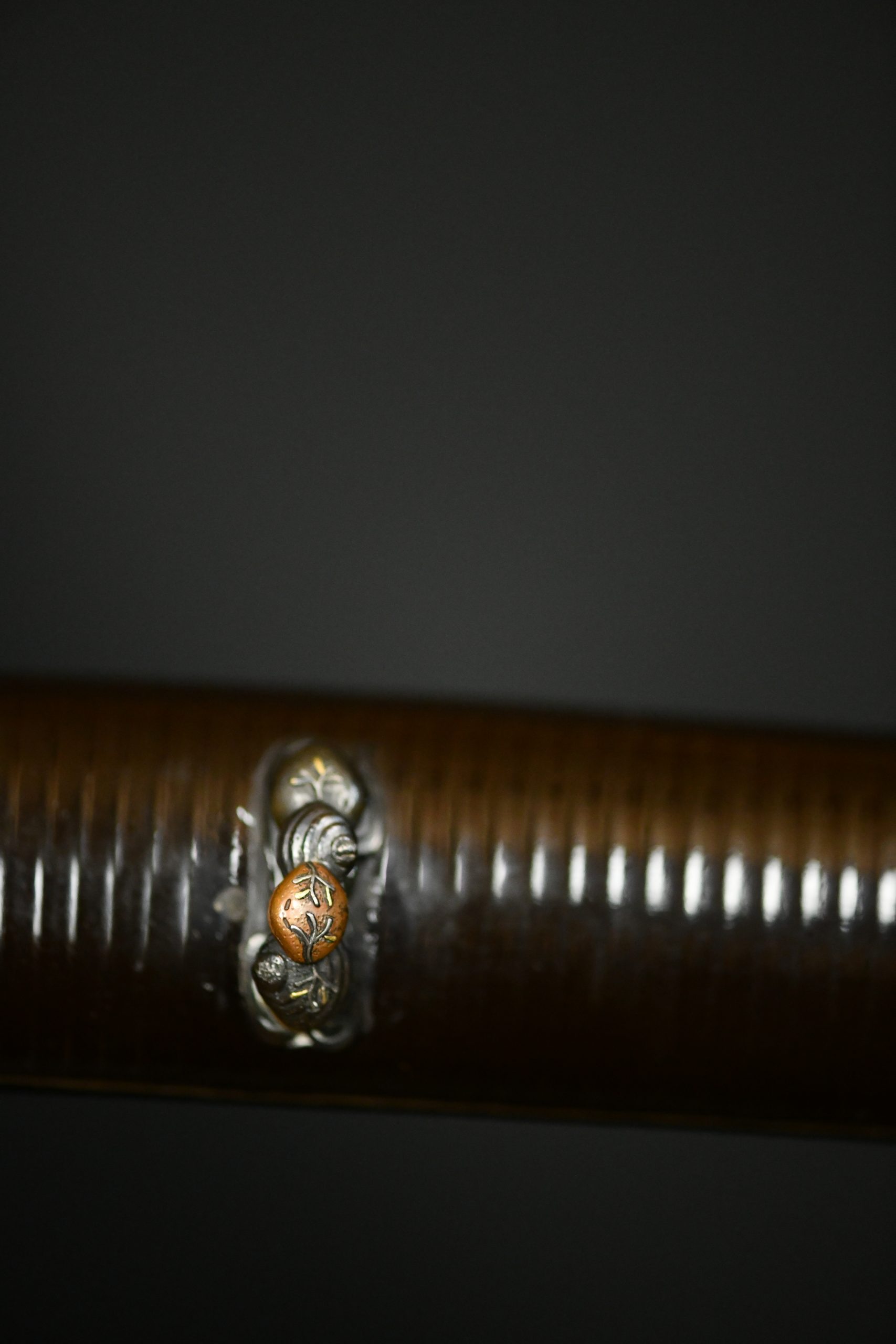
Saya — Kawarinuri ribbed lacquer, deep brown
The saya features a high-gloss, ribbed kawarinuri lacquer in dark brown.
Its condition is exceptional: smooth, even, and remarkably well preserved for an Edo-period original.
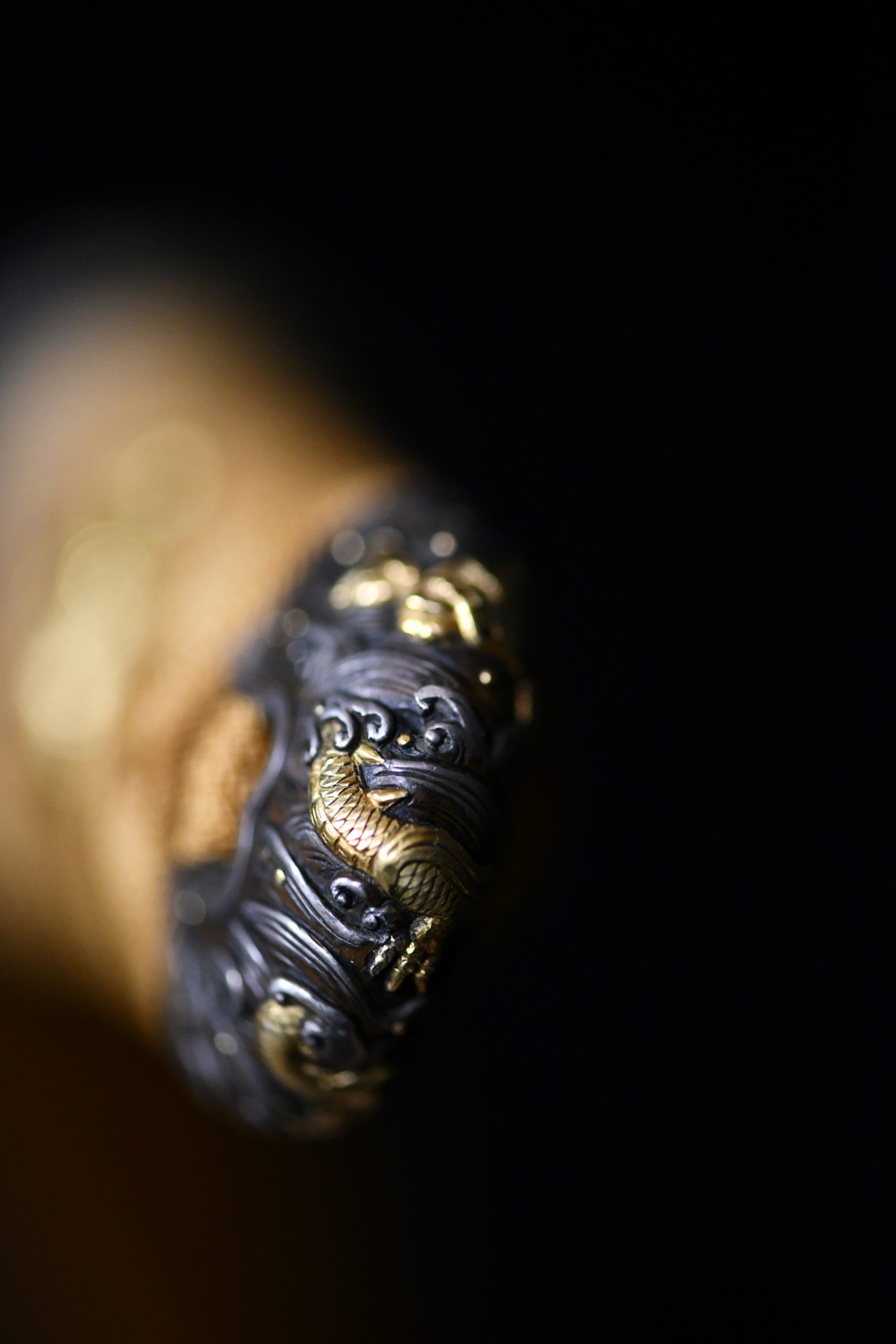
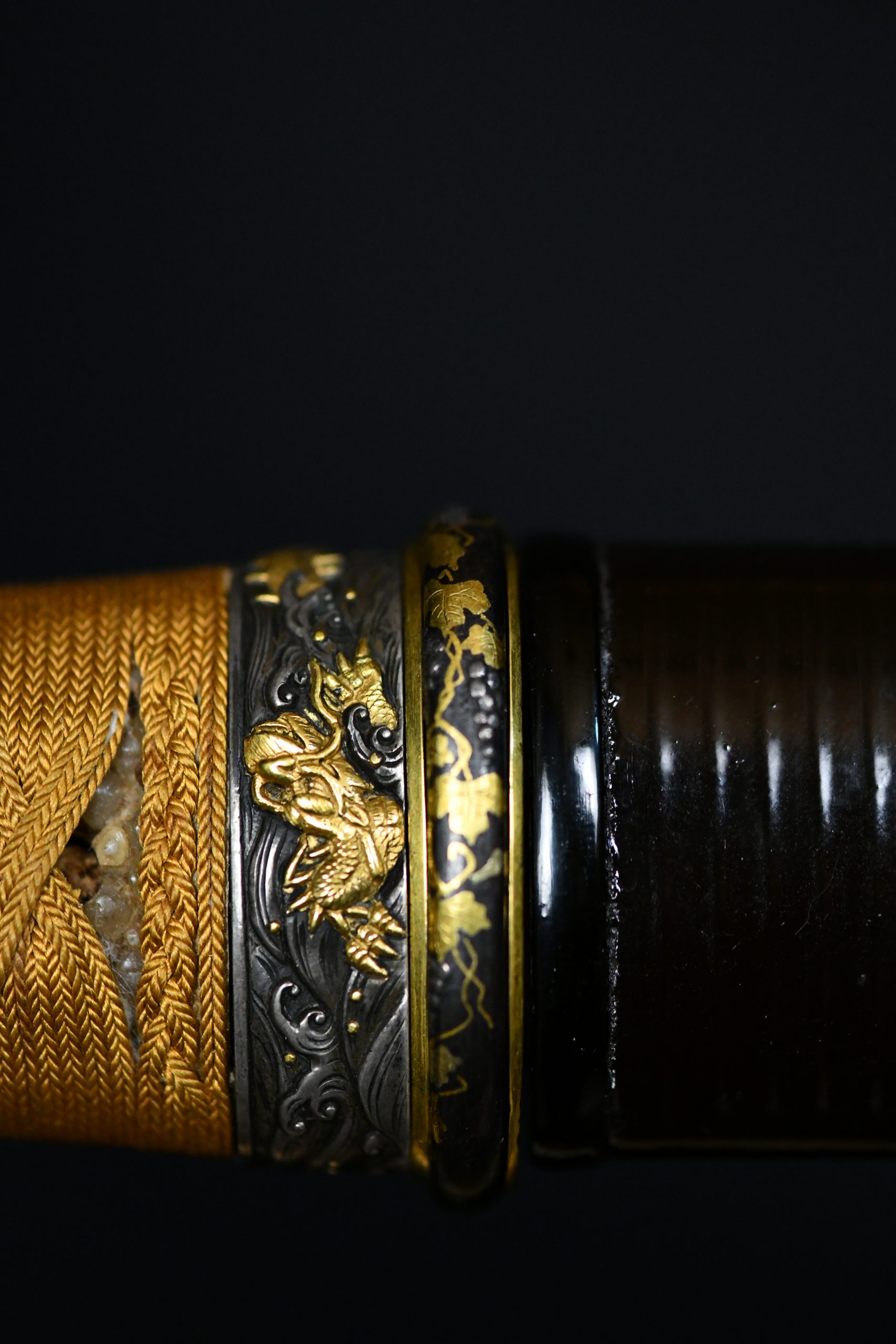
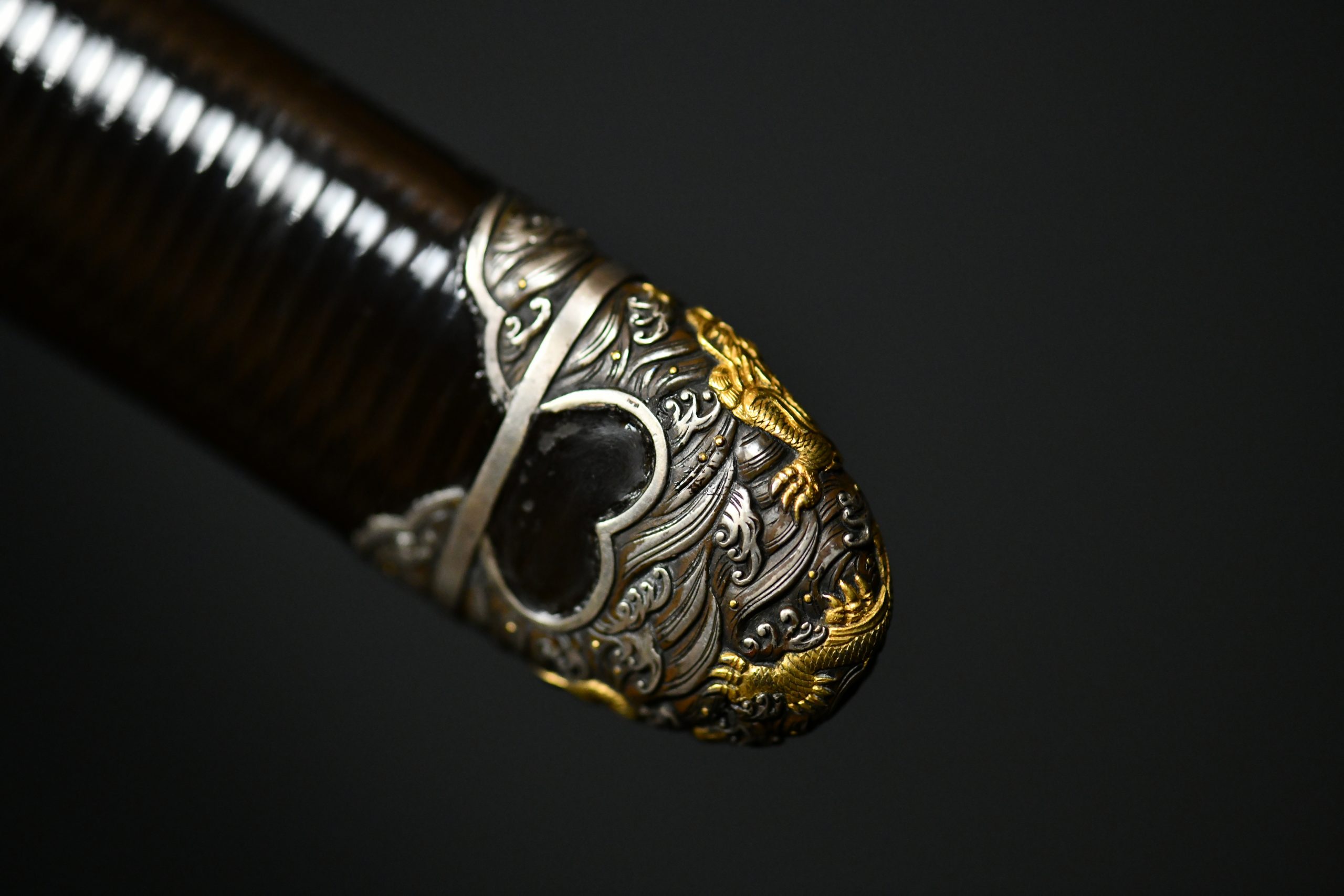
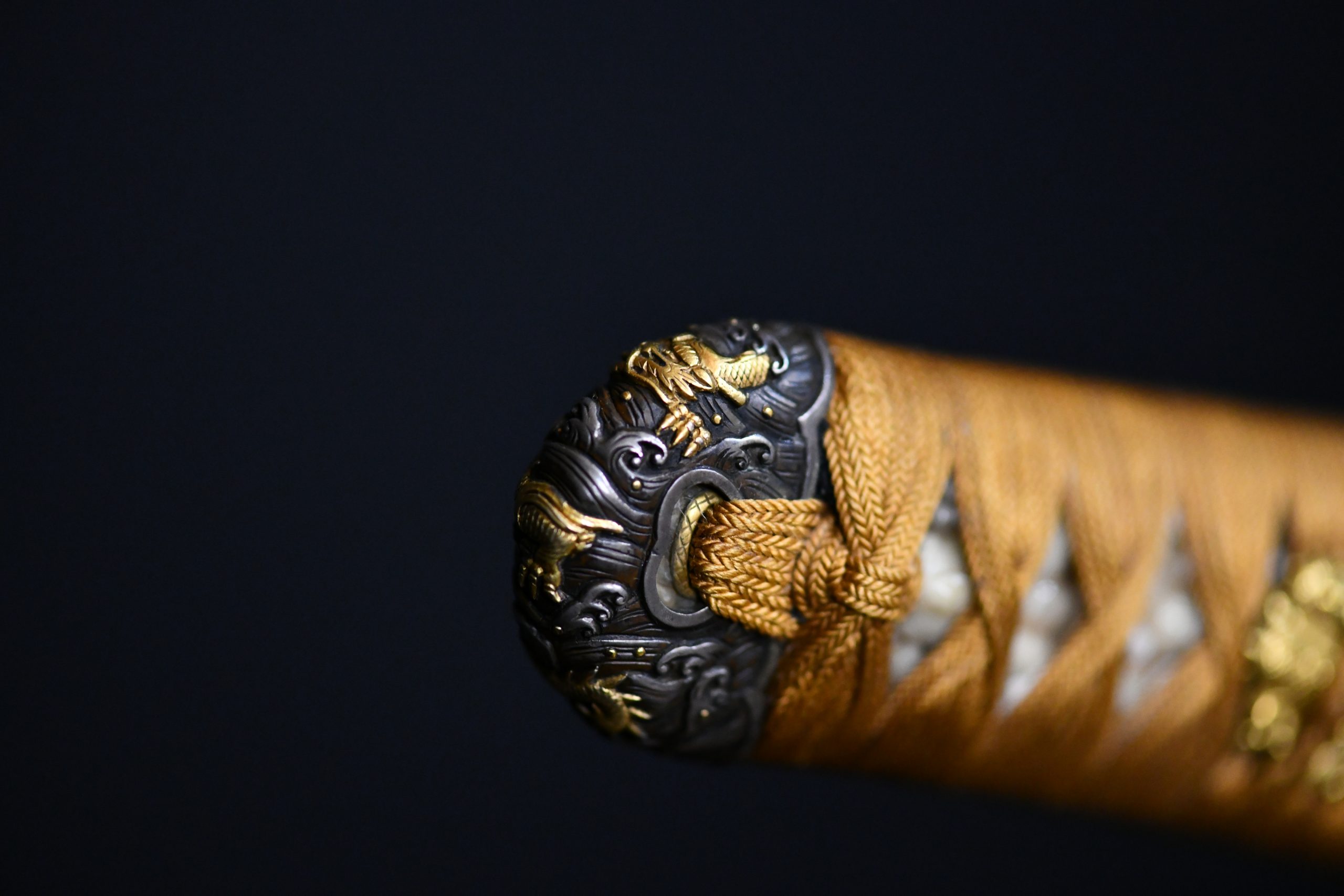
Kojiri, Koiguchi, and Kurigata — Shakudō, silver and gold
These fittings are crafted in rich shakudō, with silver highlights and gold inlay (kin-zōgan).
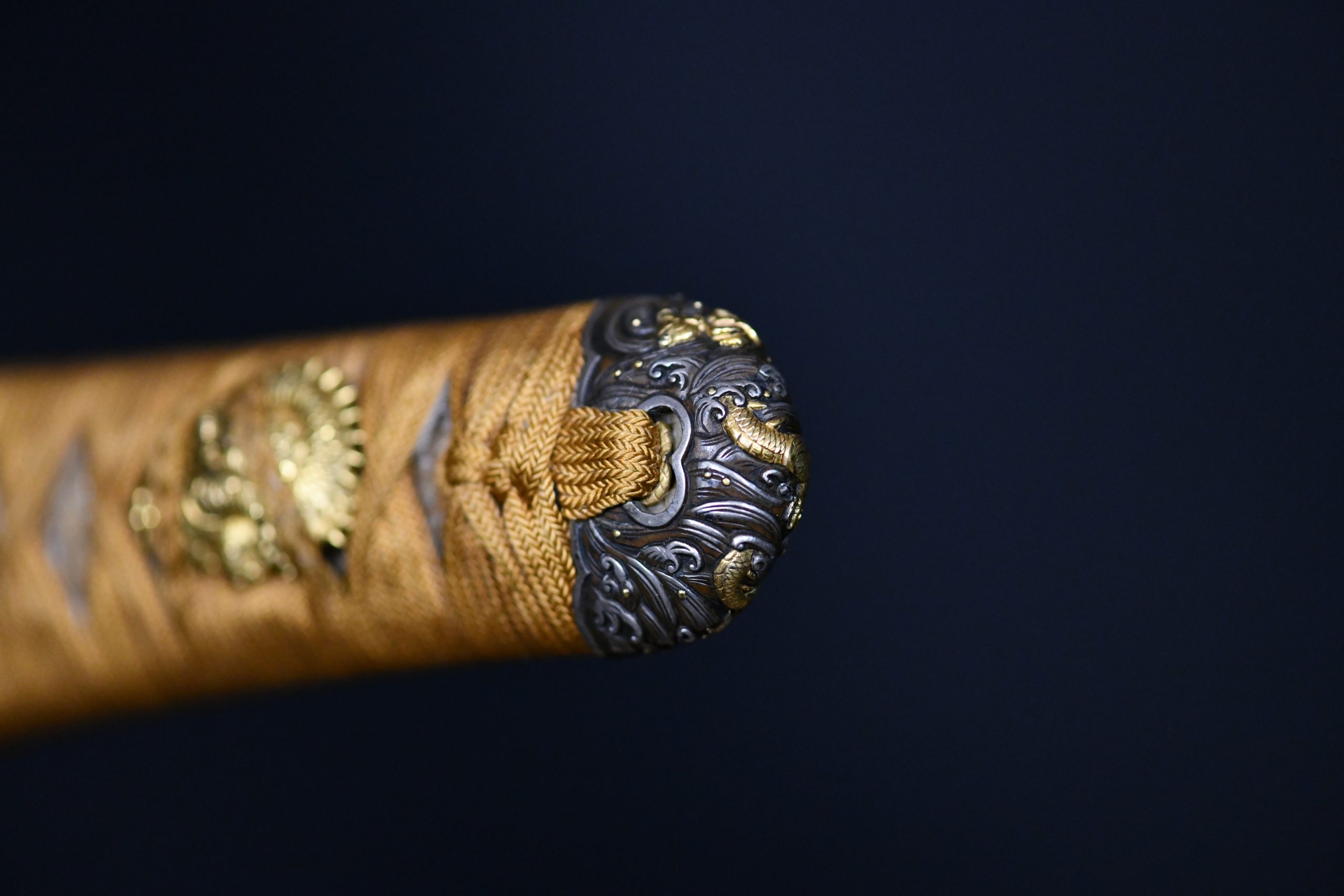
The motifs —dragons, waves and swirling clouds— are carved with tremendous precision and depth, characteristic of high-level specialist workshops.
Tsuka — Superb craftsmanship throughout
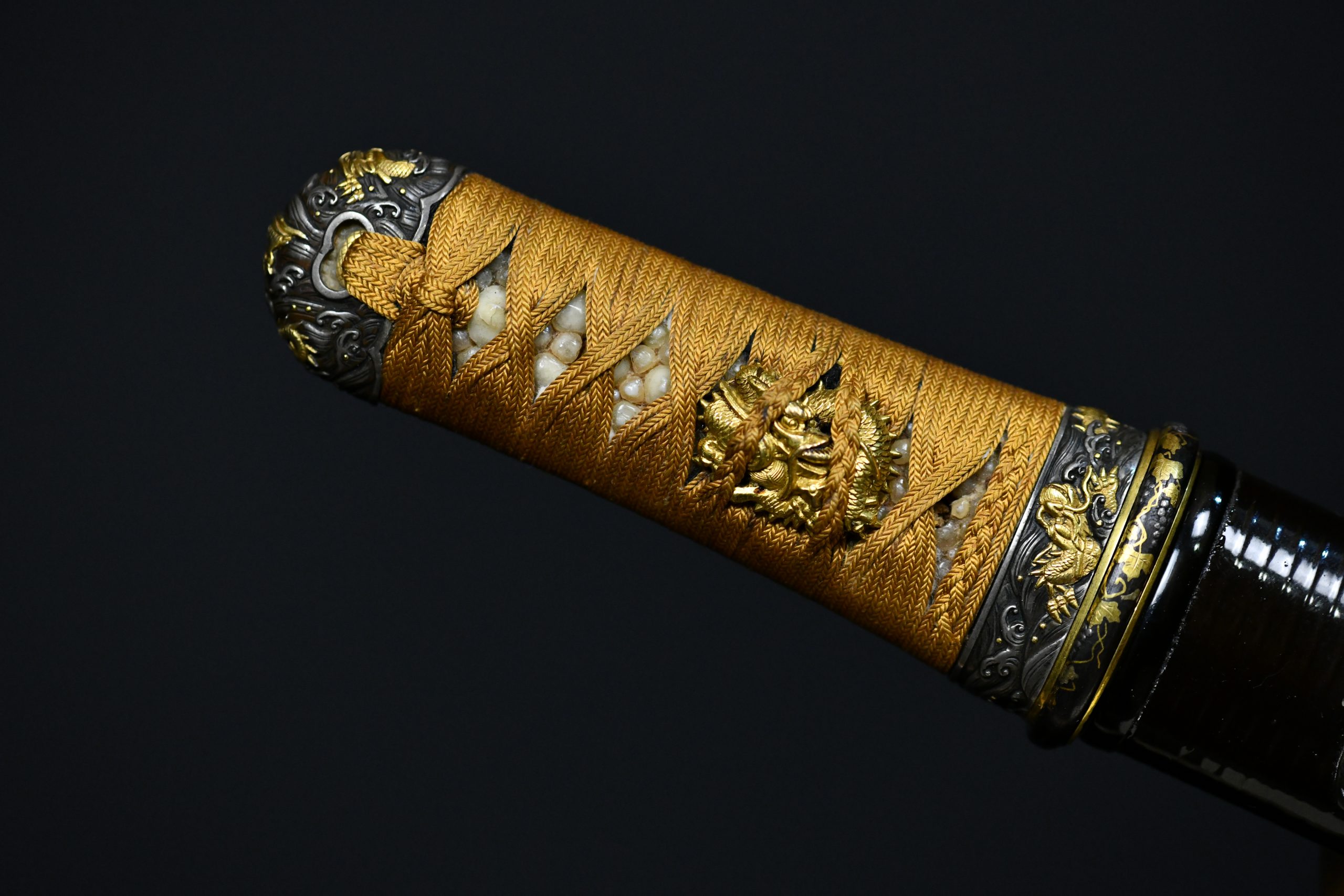
Tsukamaki in golden silk, perfectly tight and expertly executed.
Samegawa of large, uniform nodules — high-grade ray skin.
Fuchi-kashira in shakudō with gold and silver details, finely modeled and richly expressive.
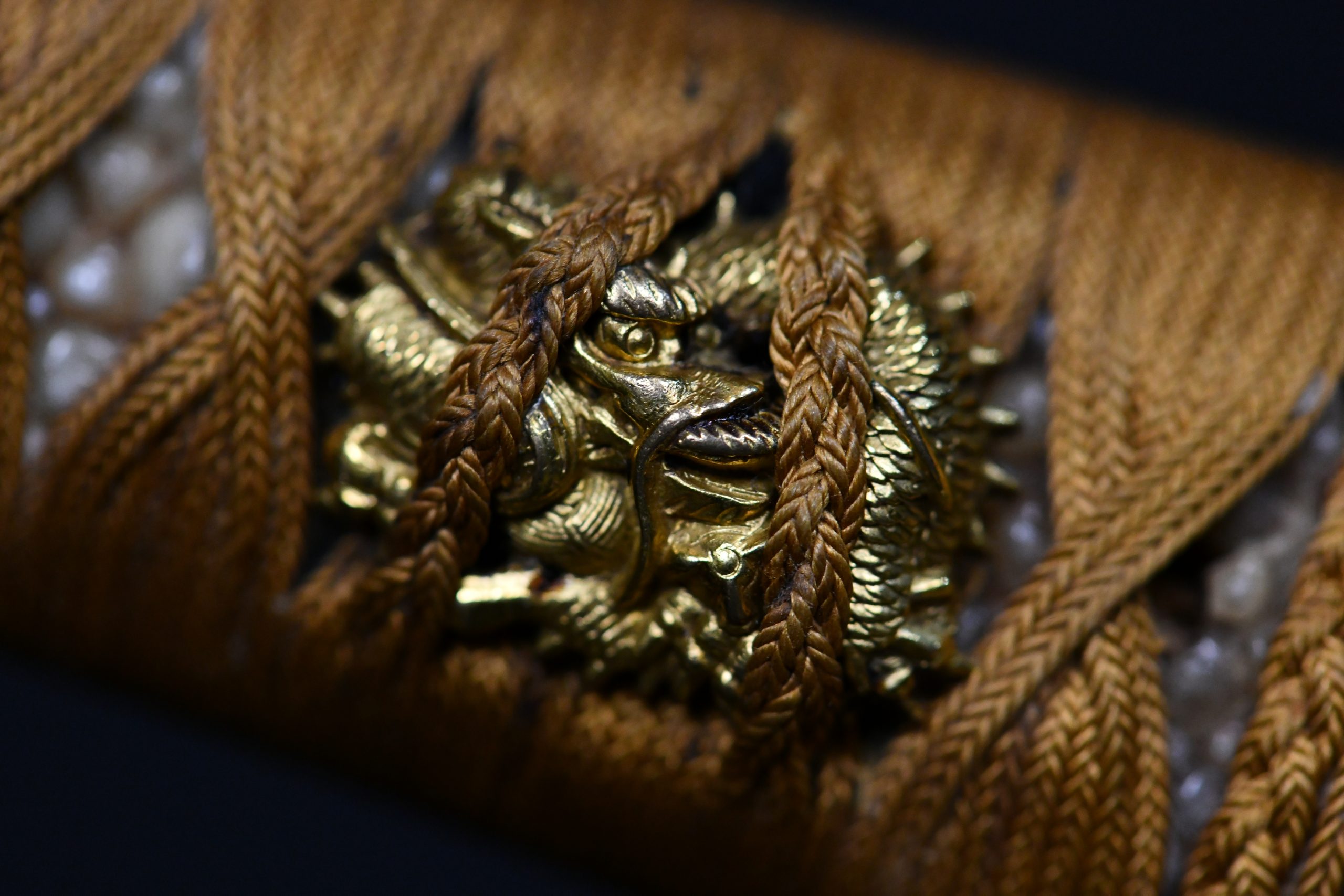
Menuki shaped as golden dragons, exquisitely carved with remarkable detail.
Every element corresponds visually and aesthetically.
This koshirae is coherent, refined, and unquestionably a luxury commission.
3. Who Could Afford Such a Piece in the Edo Period?
A koshirae of this level was not accessible to common samurai.
The materials —gold, silver, premium shakudō, specialist lacquer, and master-level carving— were expensive even in their time.
Historically, a mounting like this would have belonged to:
• A high-ranking samurai retainer (hatamoto)
Those in direct service to the shogunate, with stipends large enough to commission luxury fittings.
• A wealthy daimyō household retainers
Senior officers (karō, metsuke, or yoriki-level samurai) who required weapons matching their social rank and public duties.
• A daimyō’s personal household
It is perfectly plausible that this tantō was part of the belongings of a noble family, or even a gift exchange between powerful clans, as high-grade tantō were frequently used for formal presentation.
• Merchants of extraordinary wealth (towards late Edo)
By the very end of the Edo period, extremely wealthy merchants sometimes commissioned such pieces as status symbols — but only the richest among them.
In summary:
This mounting signals prestige. It was crafted for someone of authority, wealth and elevated status.
4. Documentation — Official Registration and NTHK Authentication
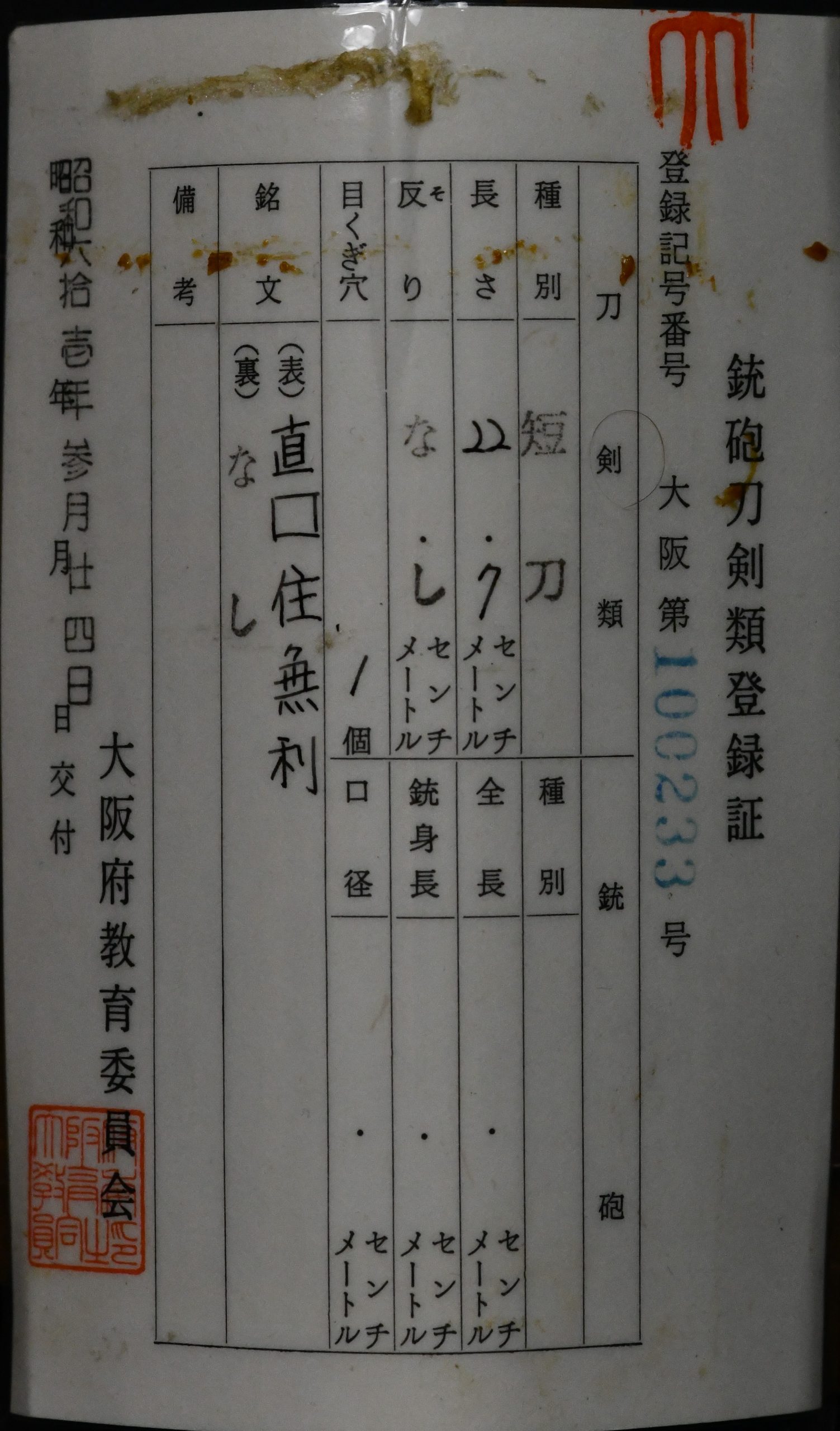
• Osaka Torokusho (Registration Certificate) – No. 1002333
Original Japanese registration document with full measurements.
• NTHK Kanteisho Certificate
A formal authentication by one of Japan’s two major sword organizations.
Confirms:
Signature: 直口住兼利 (Naokuchi-jū Kanetoshi)
Period: Genji era, late Edo
Structural details: hada description, hamon style, boshi form, and nakago features
This greatly enhances the trust, provenance and long-term value of the blade.
5. Conclusion — A distinguished piece for a serious collection
This tantō brings together:
A signed late-Edo blade by Kanetoshi,
Official NTHK authentication,
A luxurious Edo koshirae with gold, silver and shakudō fittings of exceptional quality,
A perfectly preserved lacquered saya,
And the unmistakable character of a weapon once belonging to a noble or high-ranking household.
It is a refined, artistic, historically significant ensemble —
ideal for collectors who appreciate authentic Edo craftsmanship at its highest level.
The blade is in old japanese polish remaining in good condition, the jihada of the steel is detailed and full of details to appreciate. A masterpiece Worthly a museum and a great addition to any private collection.
An Authentic nihonto japanese sword, difficult to find in Europe, without the consequent costs of importing from Japan or from Japanese sellers, which can increase the price of the sword by up to 30% and a months waiting for shipment and custom paperwork. A truly real nihonto to delight both new and experienced collectors.
All our swords are originals, imported from Japan from the best dealers and collectors during many years of collection and passion.


