Description
ITEM DESCRIPTION:
Comes with kimono or cotton bag. Comes with certificate of supein Nihonto. Comes with copy of Tokosusho. Comes with NBTHK Hozon Certificate
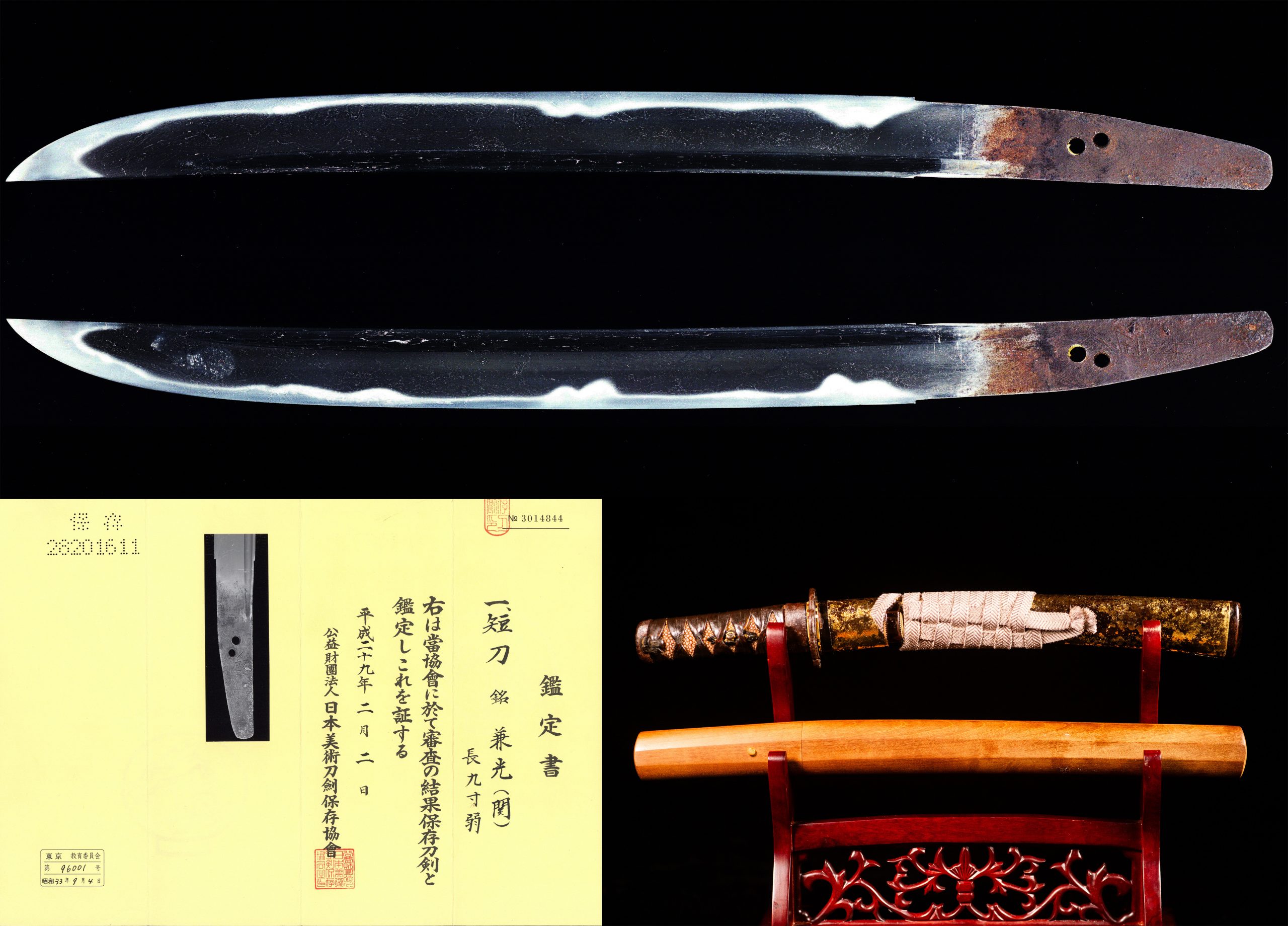
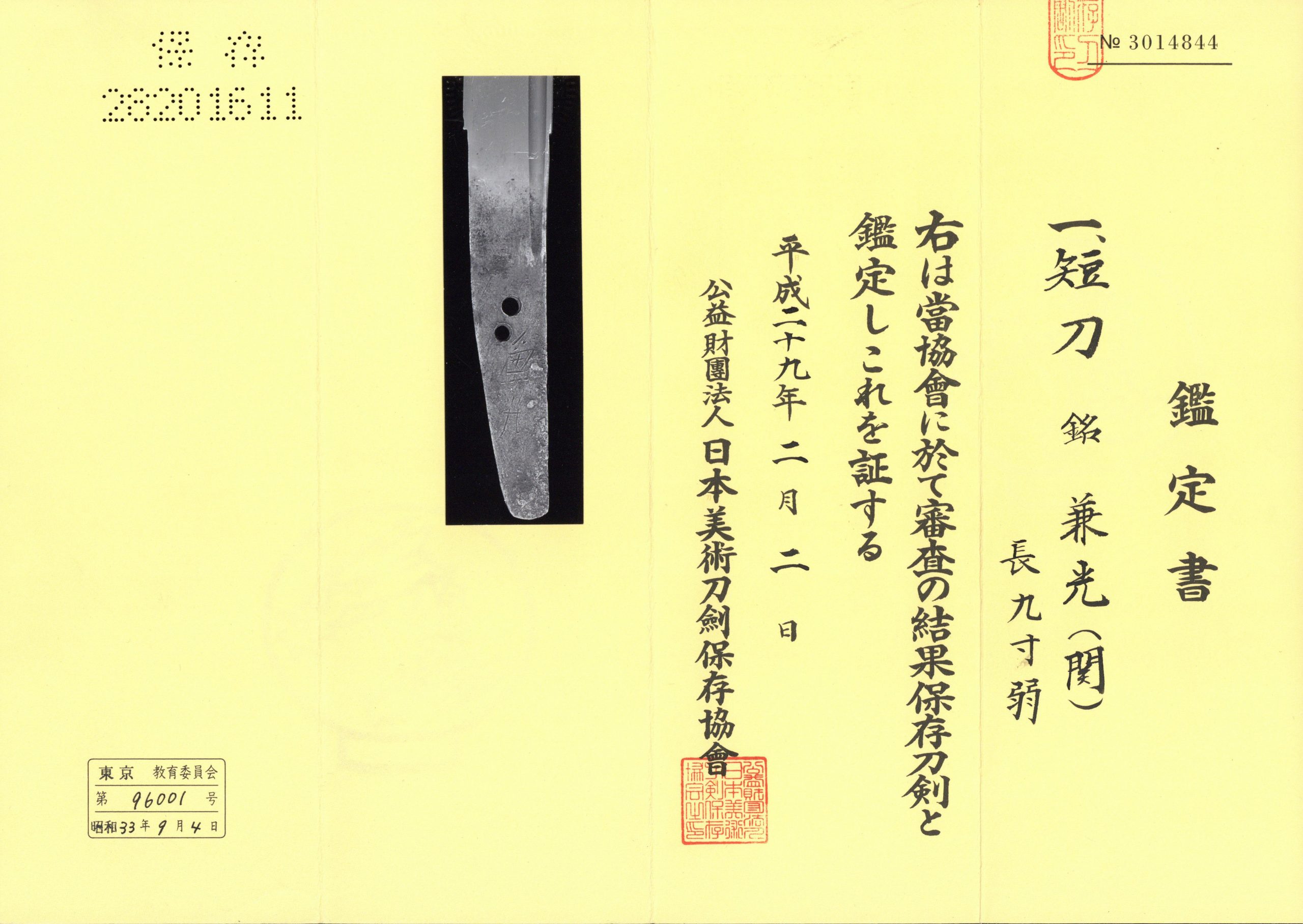
Authentication Certificate (Kanteisho)
-
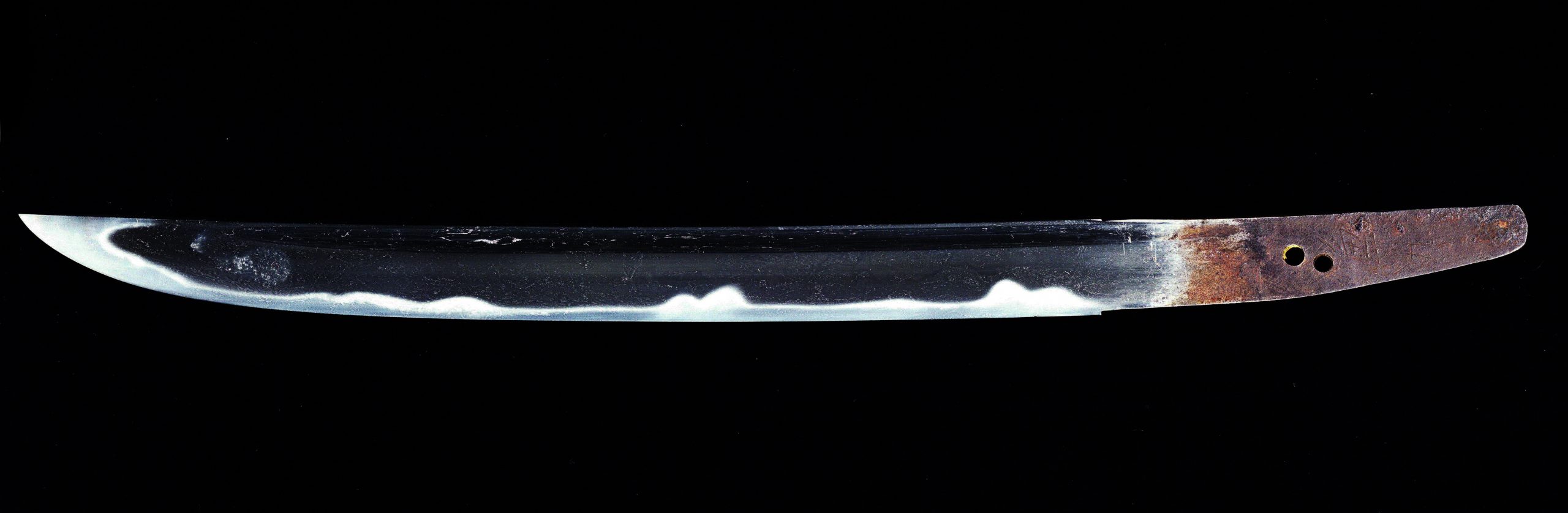
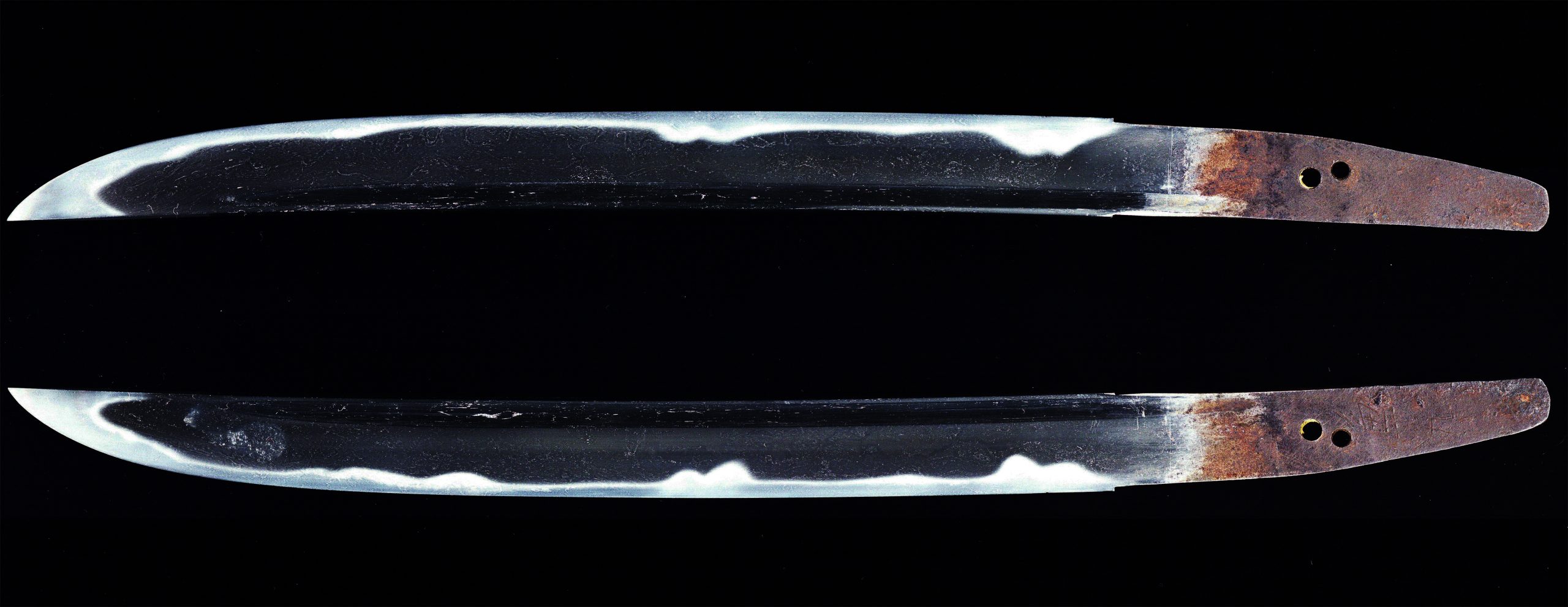
Type: Tantō
-
Attribution: Kanemitsu (Seki)
-
Length: Slightly under 9 sun
-
Text:
Following examination by this association, this blade is certified as an authentic Japanese sword worthy of preservation. -
Date: February 2nd, Heisei 19 (2007)
-
Issuing body: NBTHK
-
Certificate number: 3014844
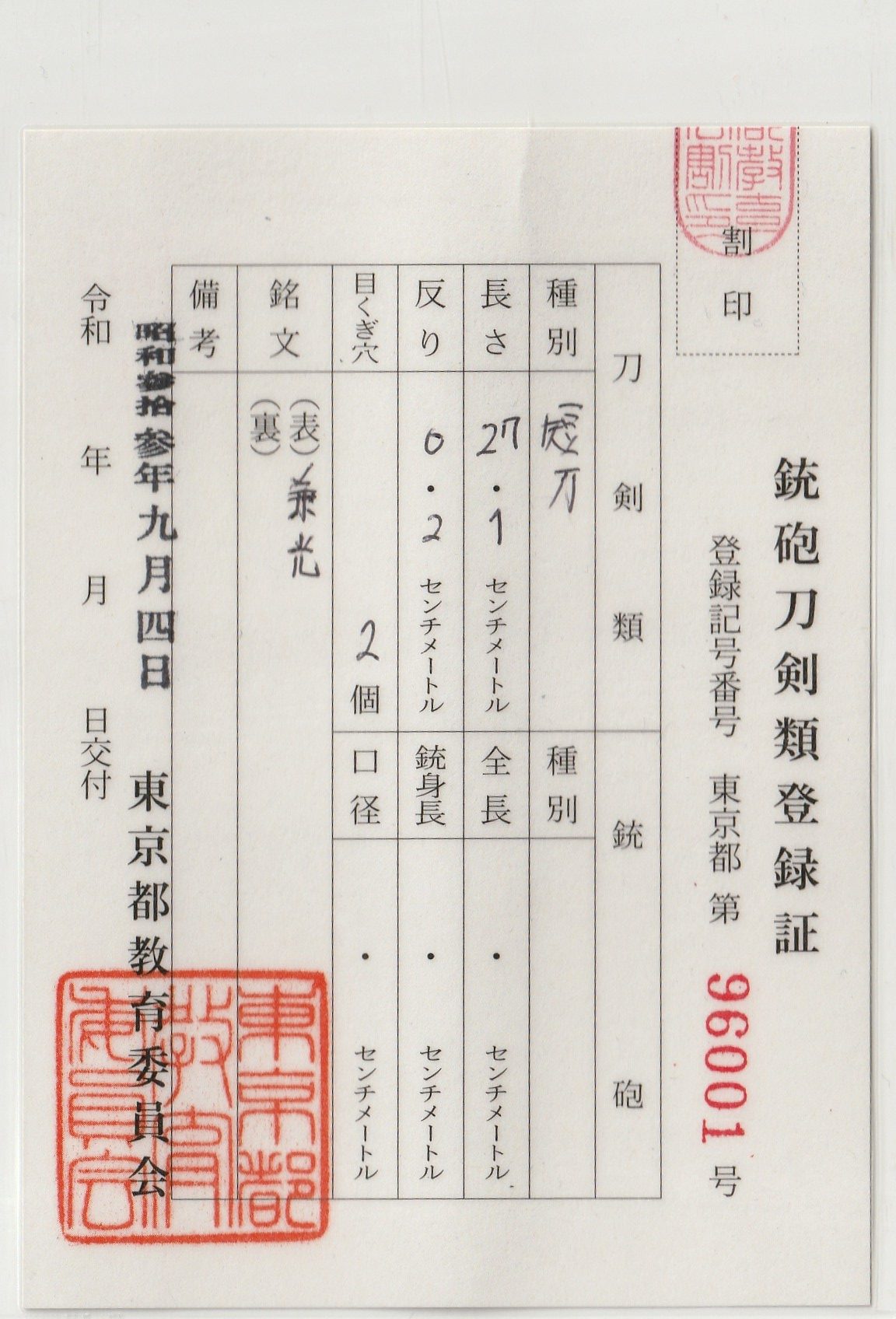
Prefectural Registration (Torokusho)
-
Authority: Tokyo Board of Education
-
Registration number: 96001
-
Date: September 4th, Shōwa 33 (1958)
-
Type: Tantō
-
Measurements:
-
Blade length: 27.1 cm
-
Curvature (sori): 0.2 cm
-
-
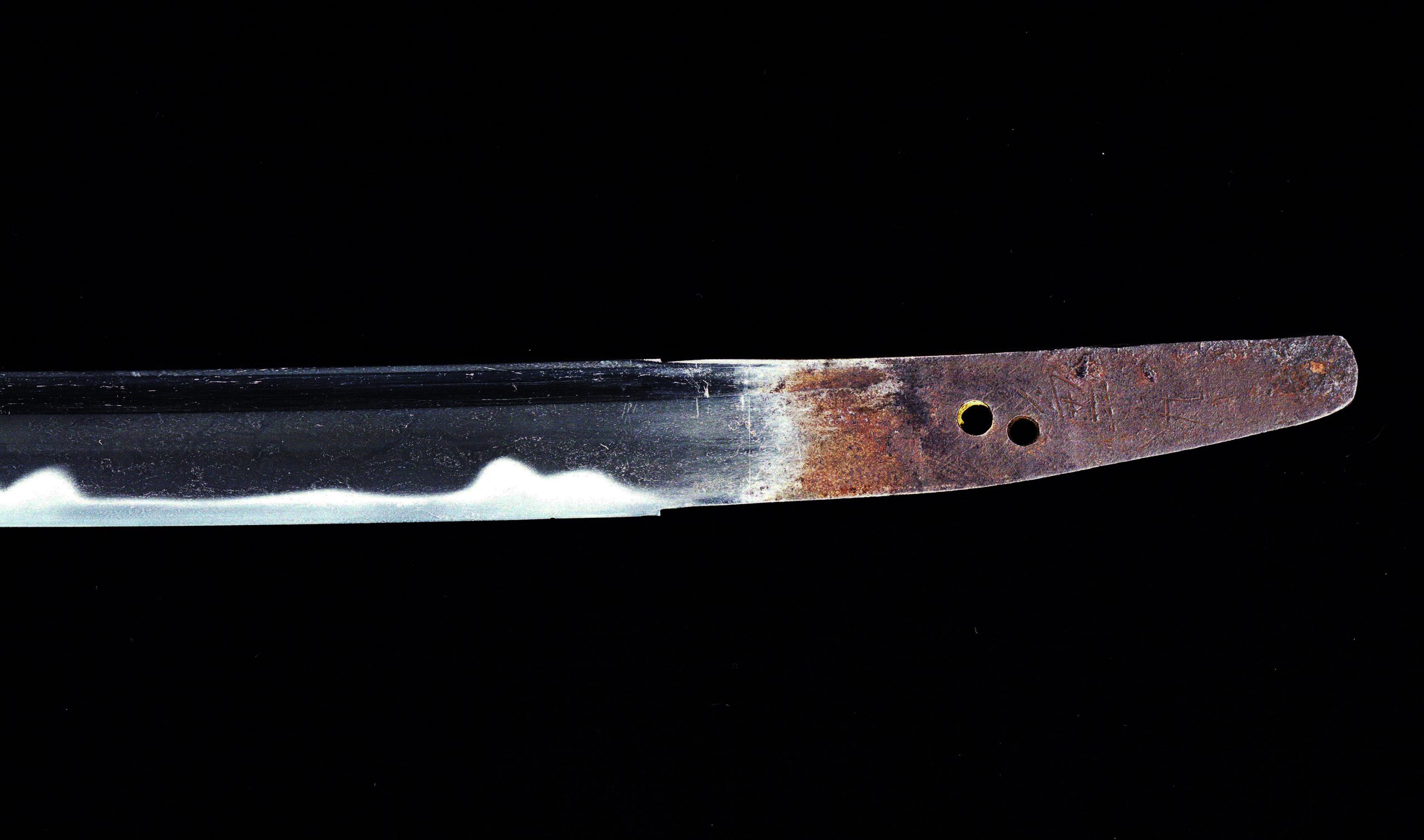
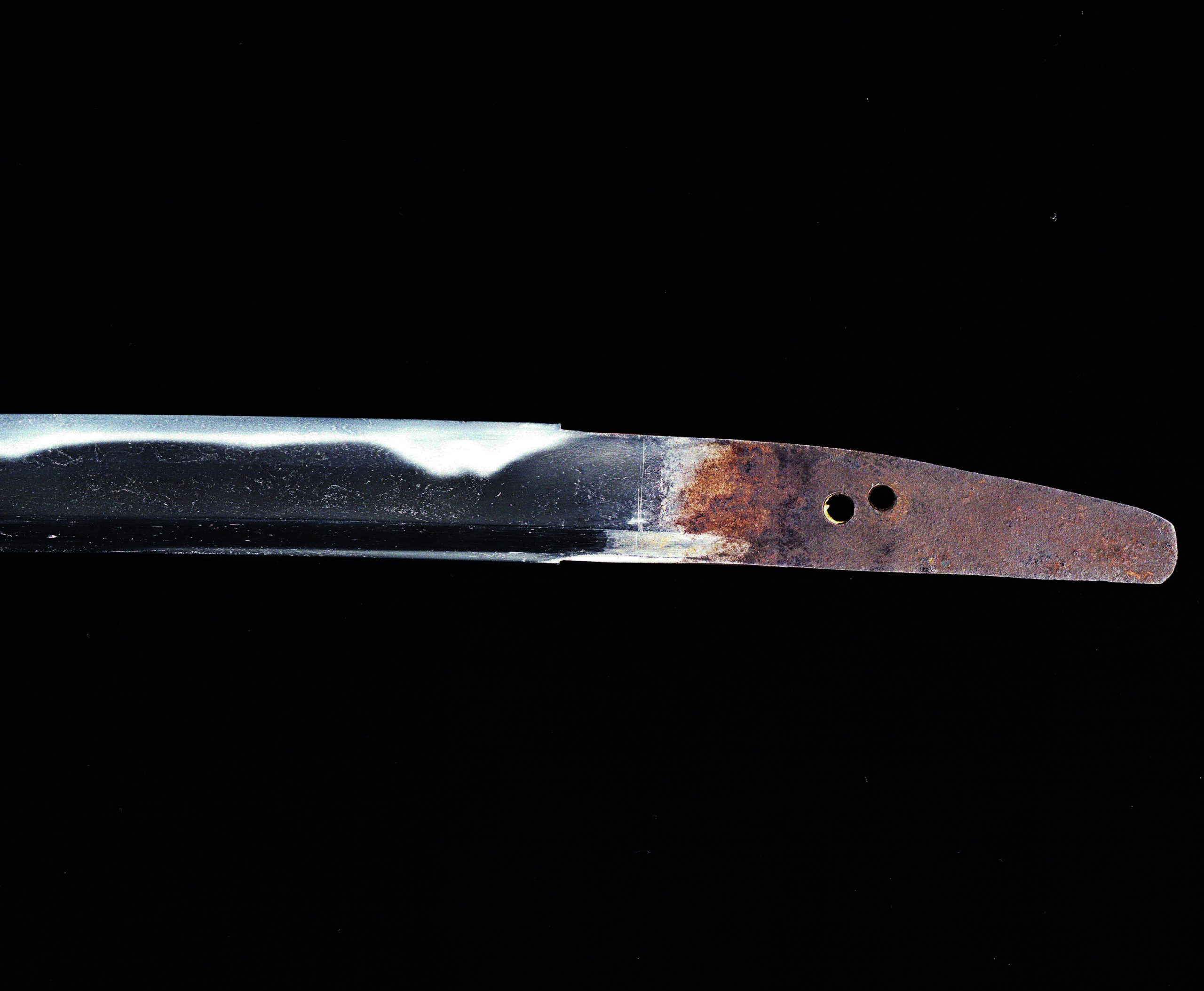
Mekugi-ana: 2
-
Signature: Mumei (unsigned)
SMITH, SCHOOL AND HISTORICAL PERIOD
This blade is attributed to Kanemitsu of Seki, according to NBTHK appraisal.
The name Kanemitsu is associated with the Mino tradition, particularly the Seki area, one of the most important sword-producing centers during the Edo period. This tradition is known for practical blade geometry, reliable heat treatment, and an emphasis on functionality over decoration.
The attribution is based solely on technical evaluation by the NBTHK.
TECHNICAL DESCRIPTION OF THE BLADE
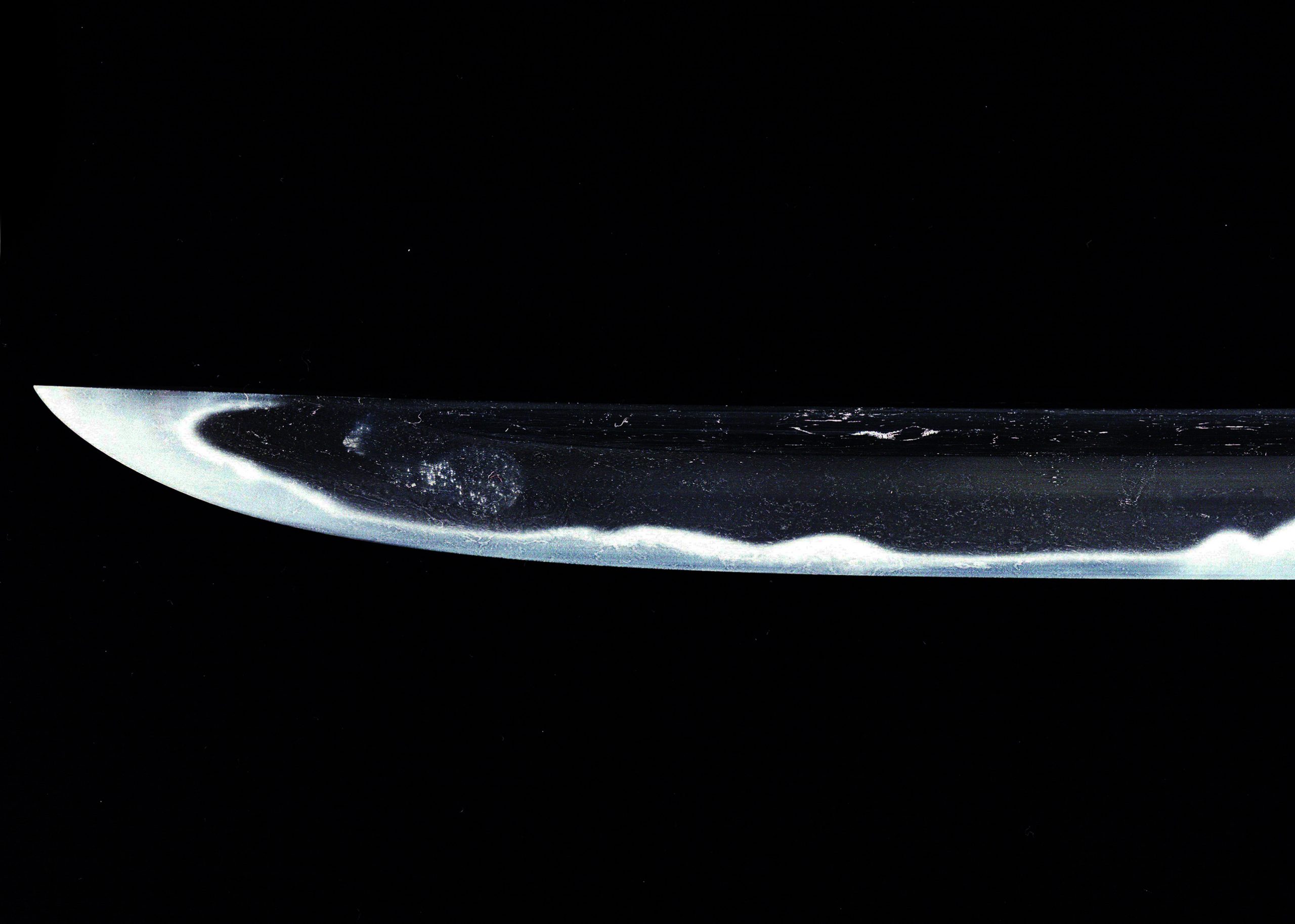
Hamon
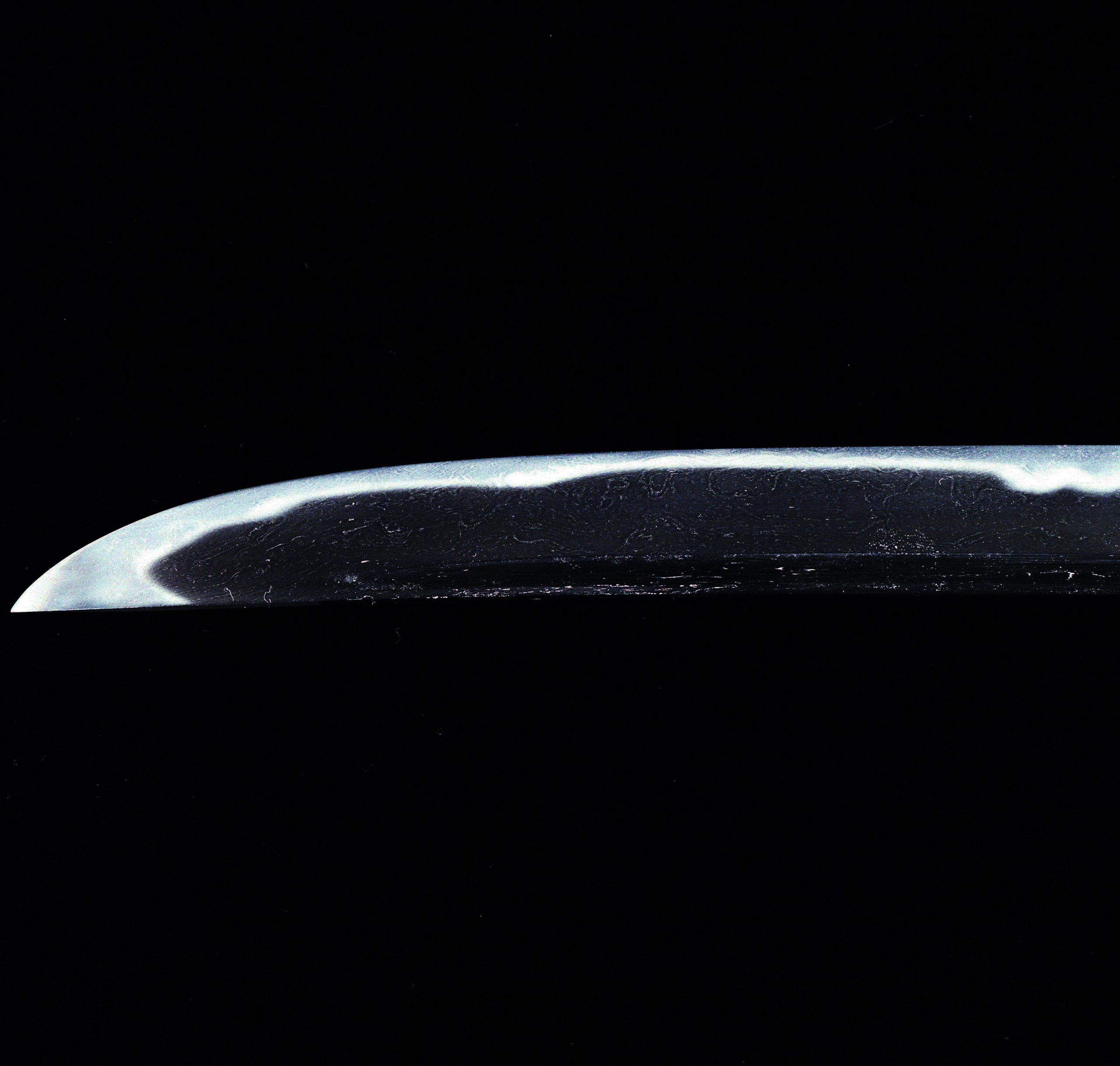
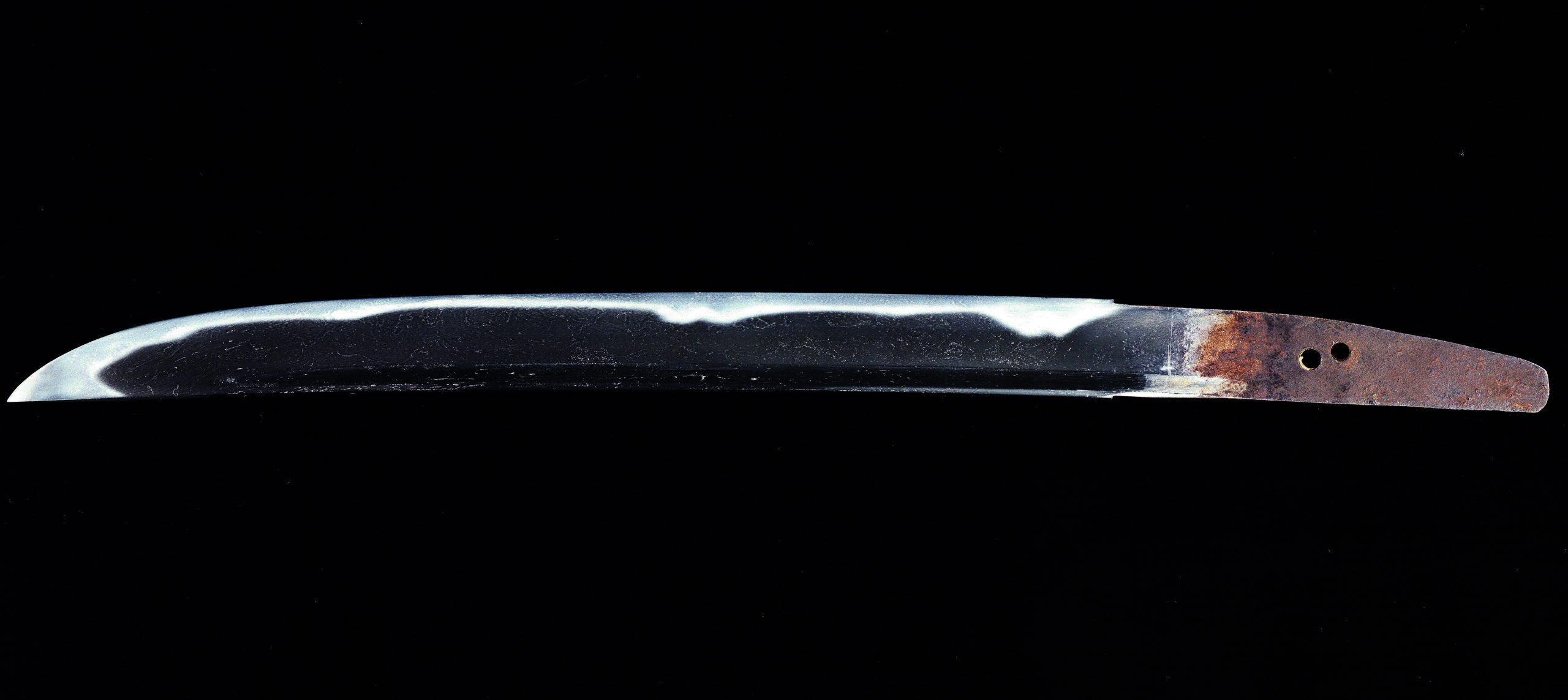
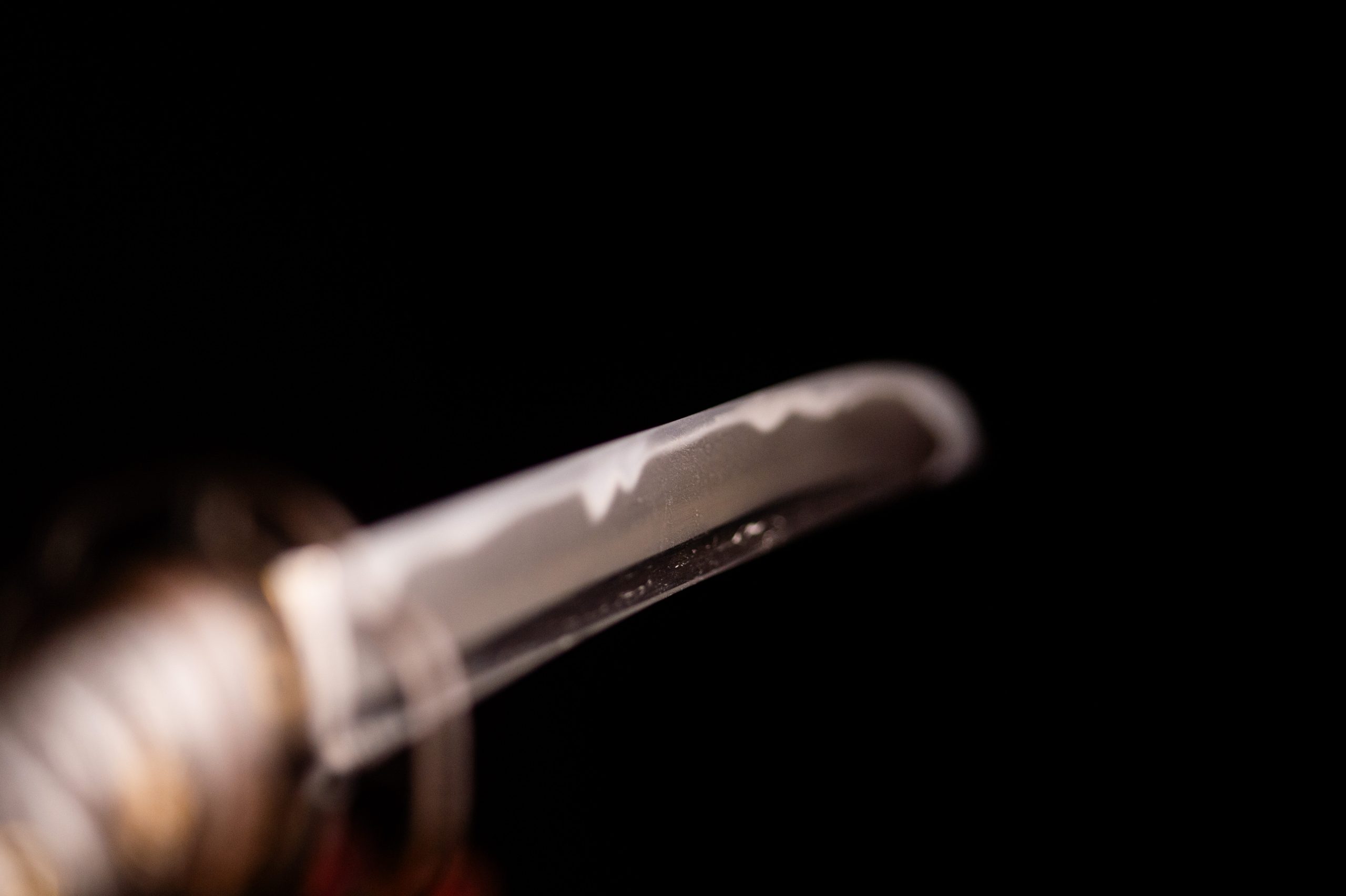
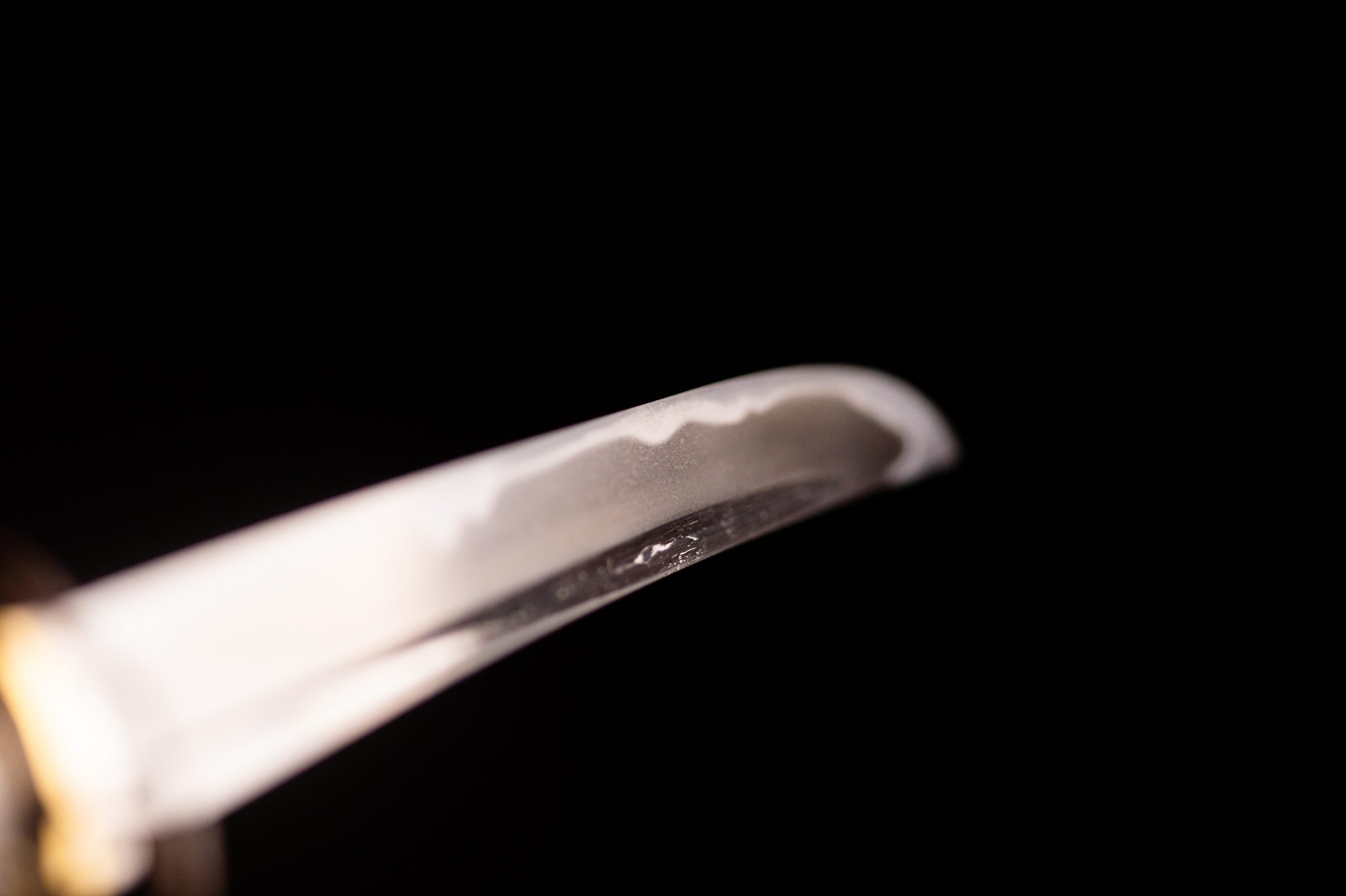
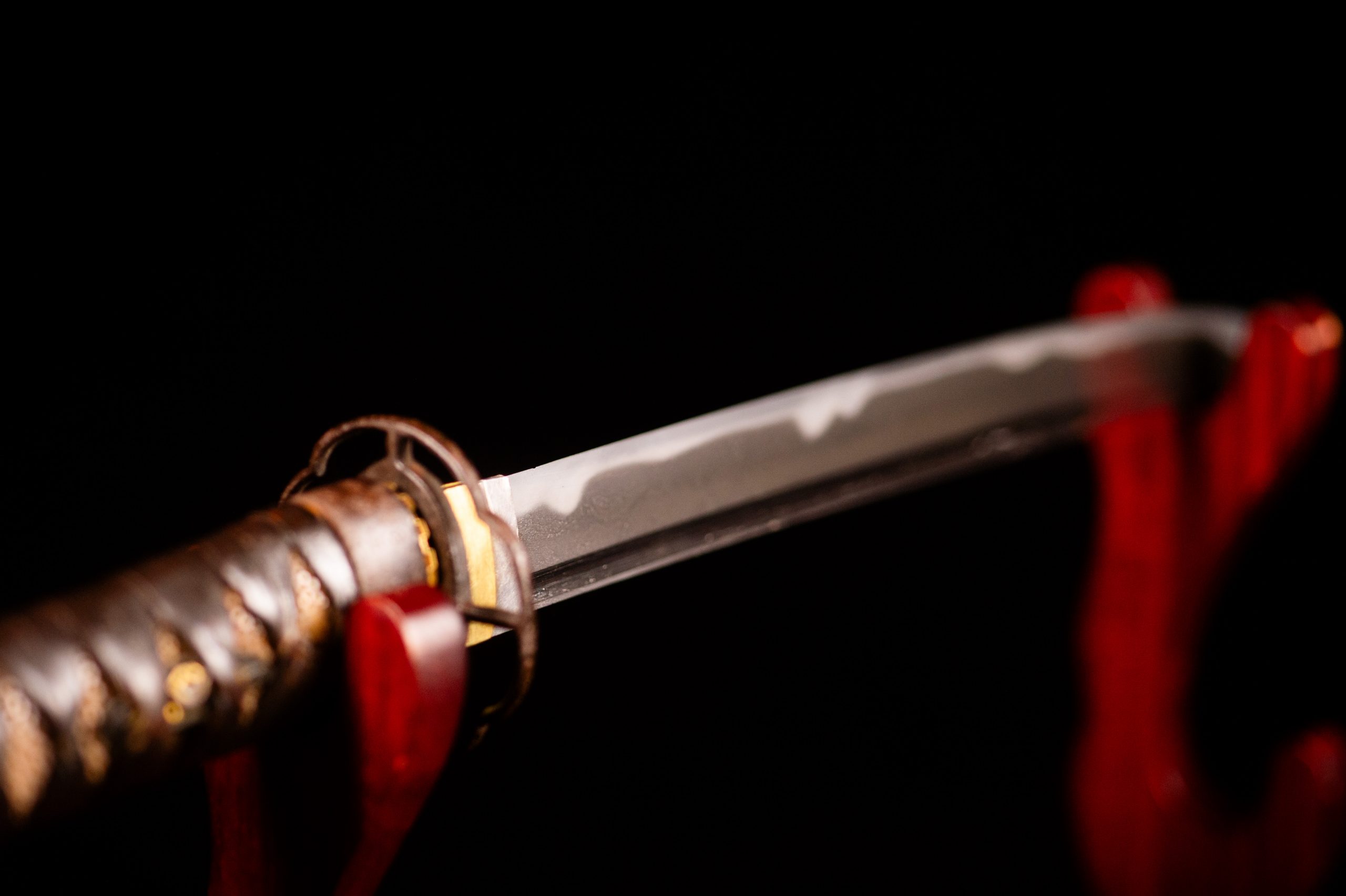
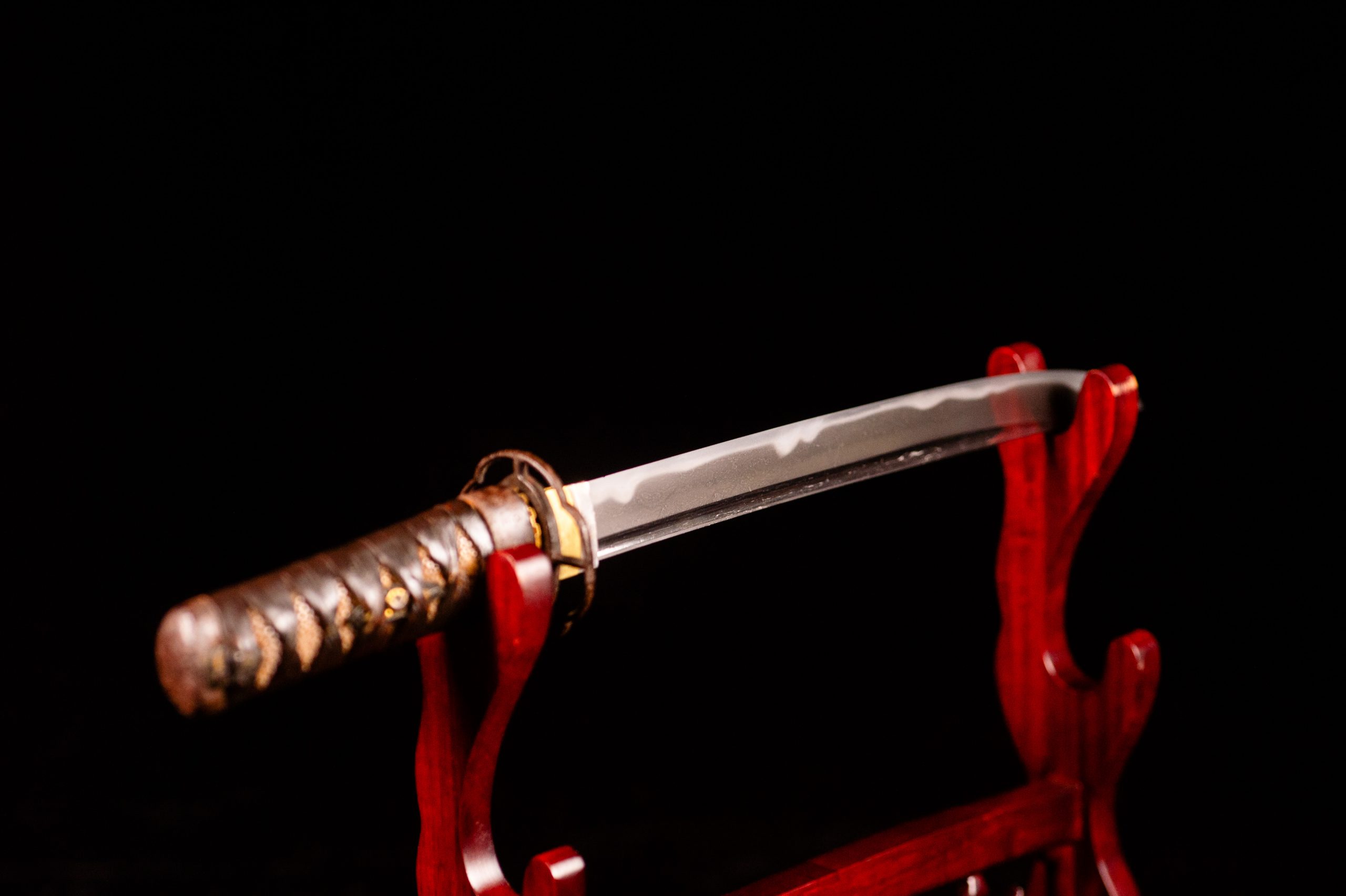
The hamon is clearly visible, executed in a notare pattern with gentle, irregular undulations. The temper line is continuous and stable, with a clean transition between hardened edge and ji.
Jihada
The jihada appears fine and restrained, visible under suitable lighting, with a coherent structure consistent with Mino workmanship.
Sugata
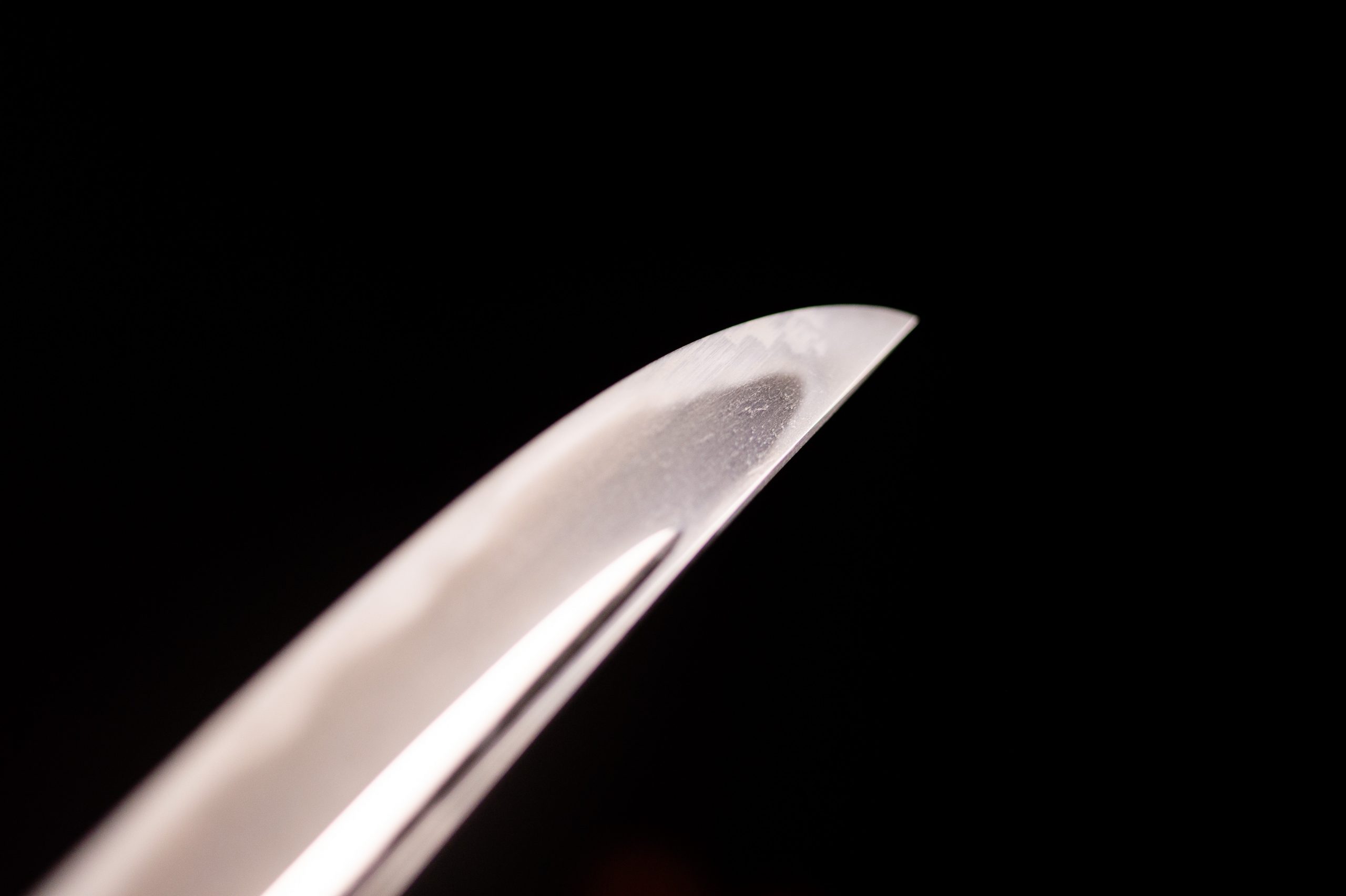
Well-balanced tantō proportions, with slight curvature (0.2 cm sori) and a straight, functional profile. The tip is properly formed and the overall geometry remains stable.
Nakago
An aged nakago with natural dark patina, evenly developed. It shows two mekugi-ana. No signature is present. Overall condition is consistent with the documented age.
TECHNICAL DESCRIPTION OF THE KOSHIRAE
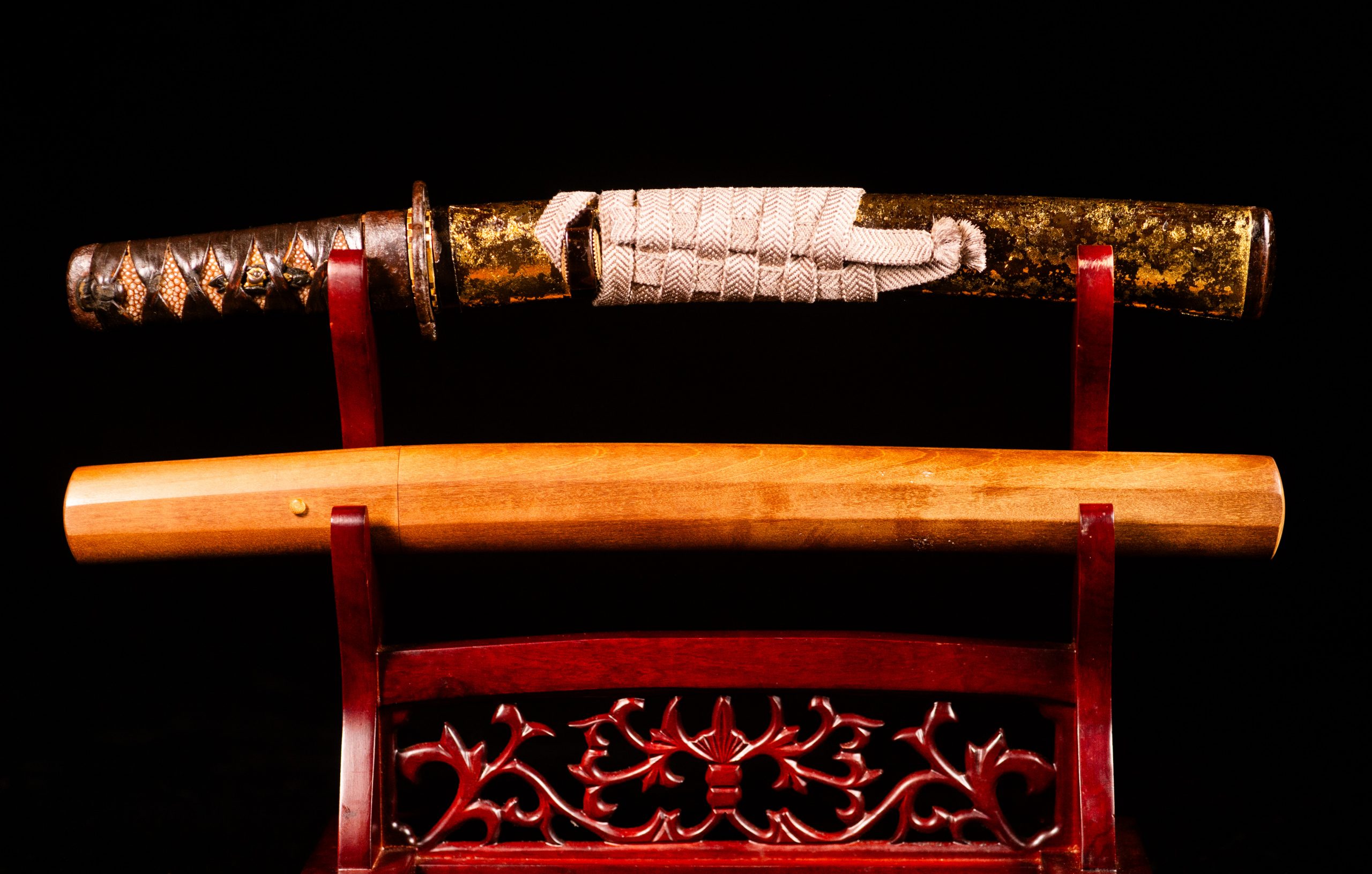
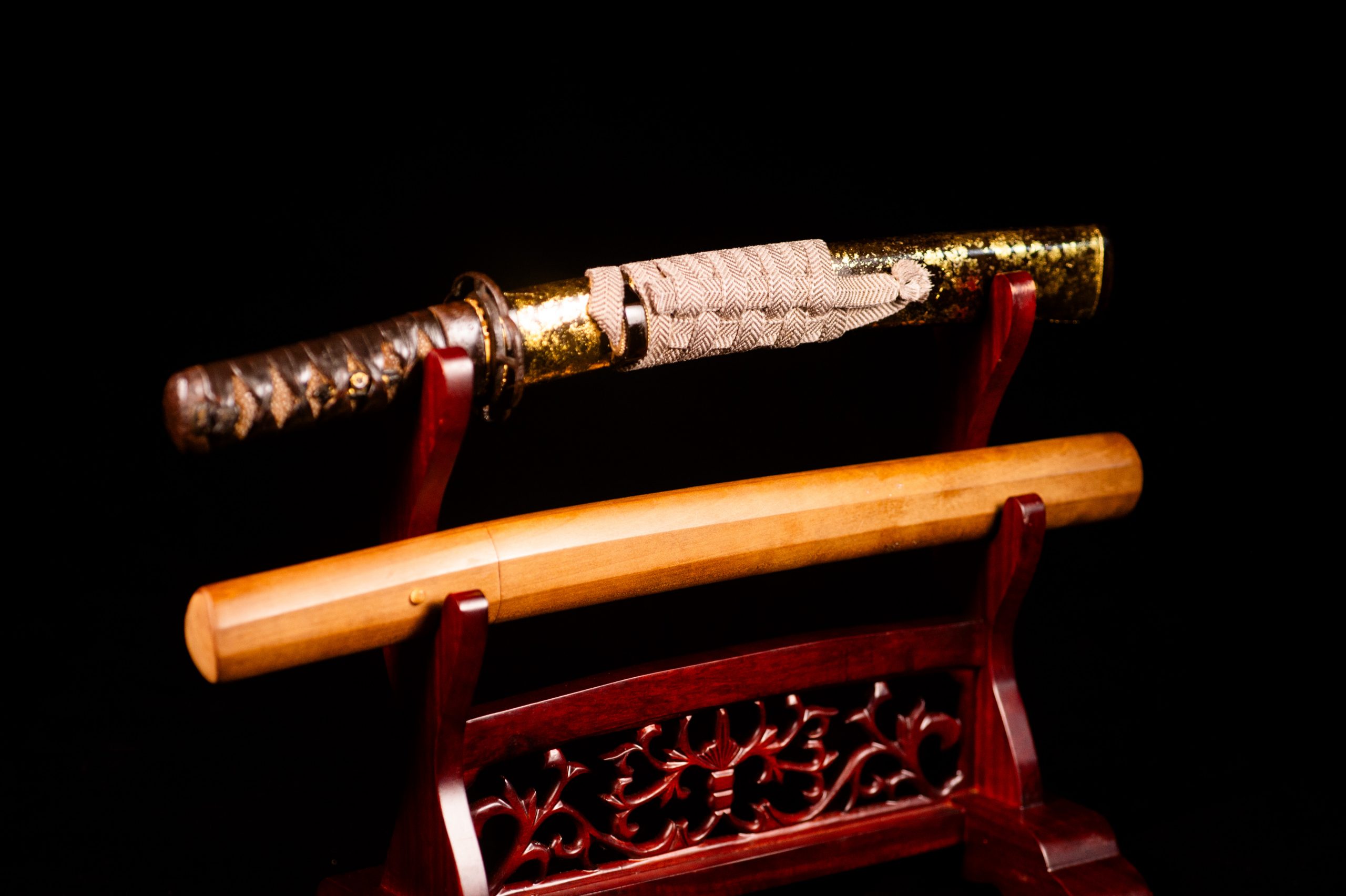
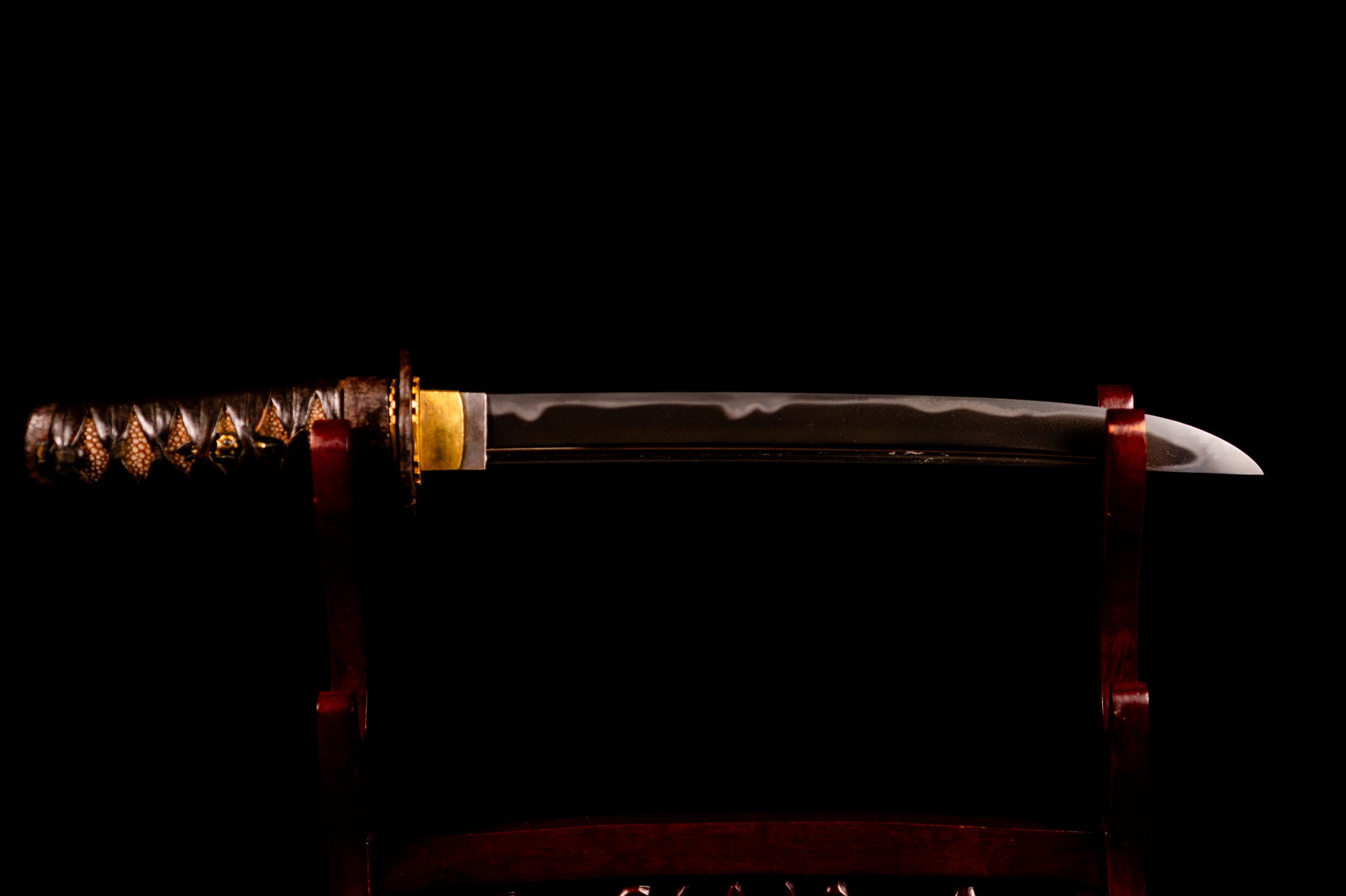
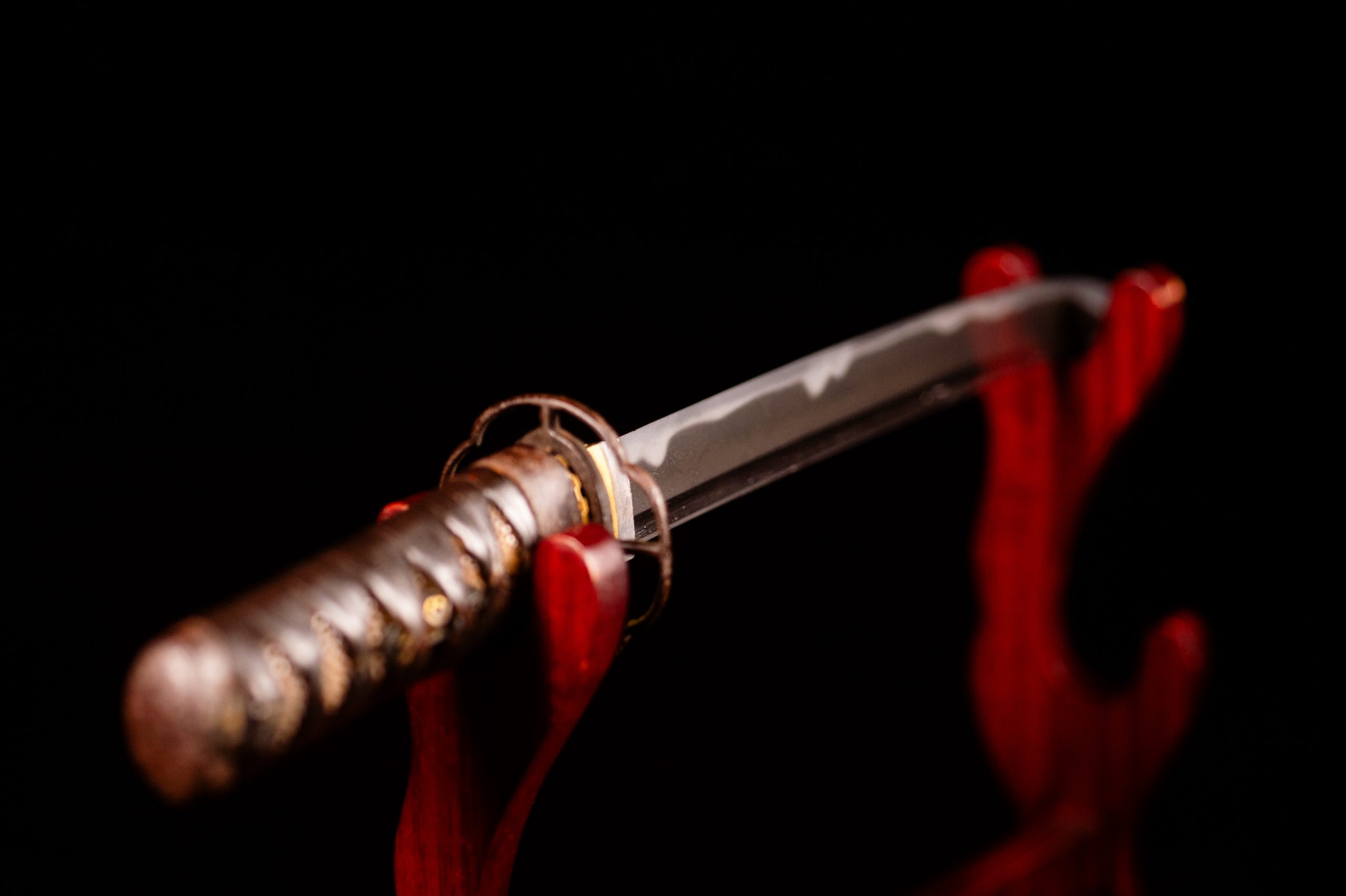
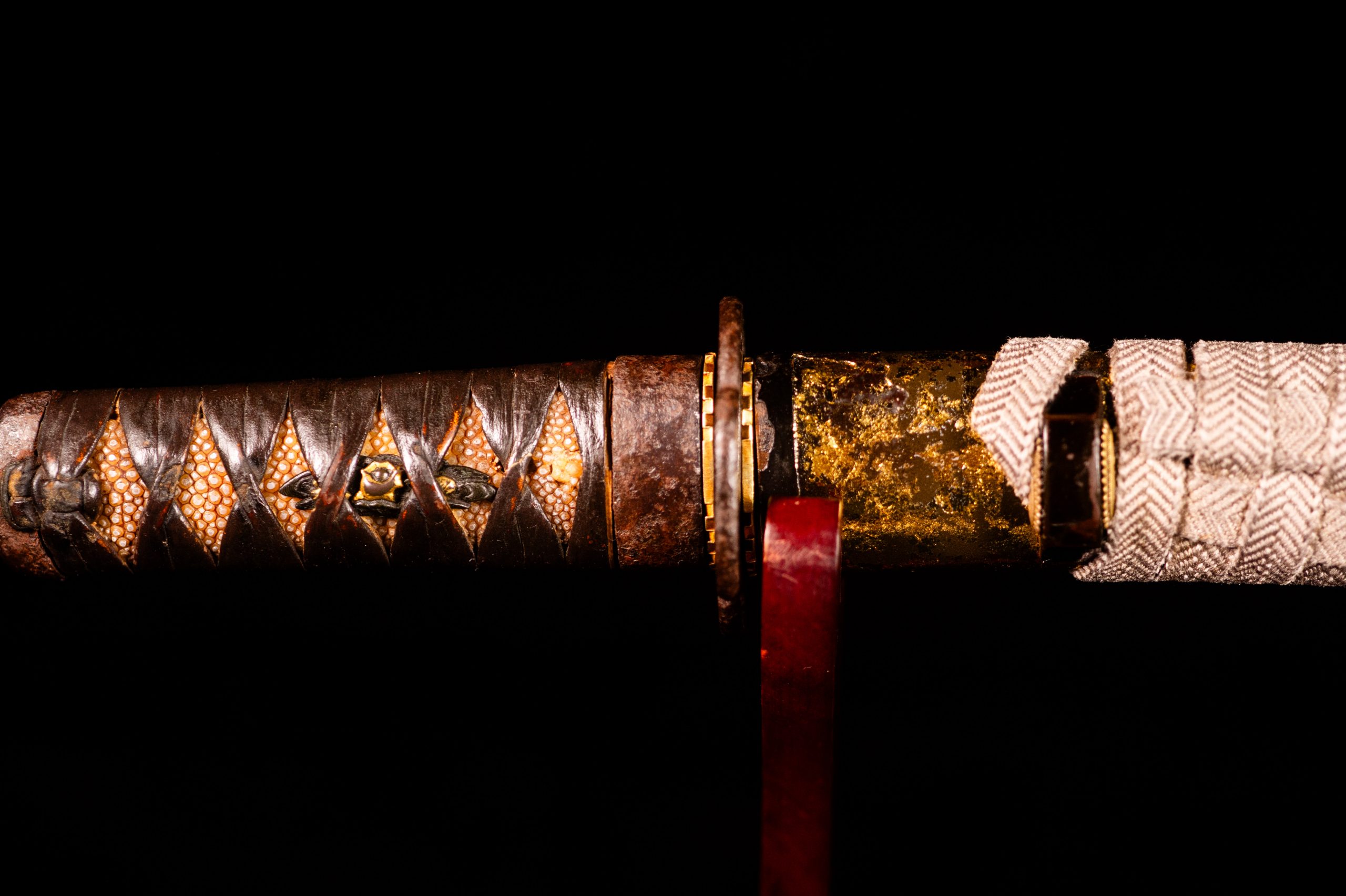
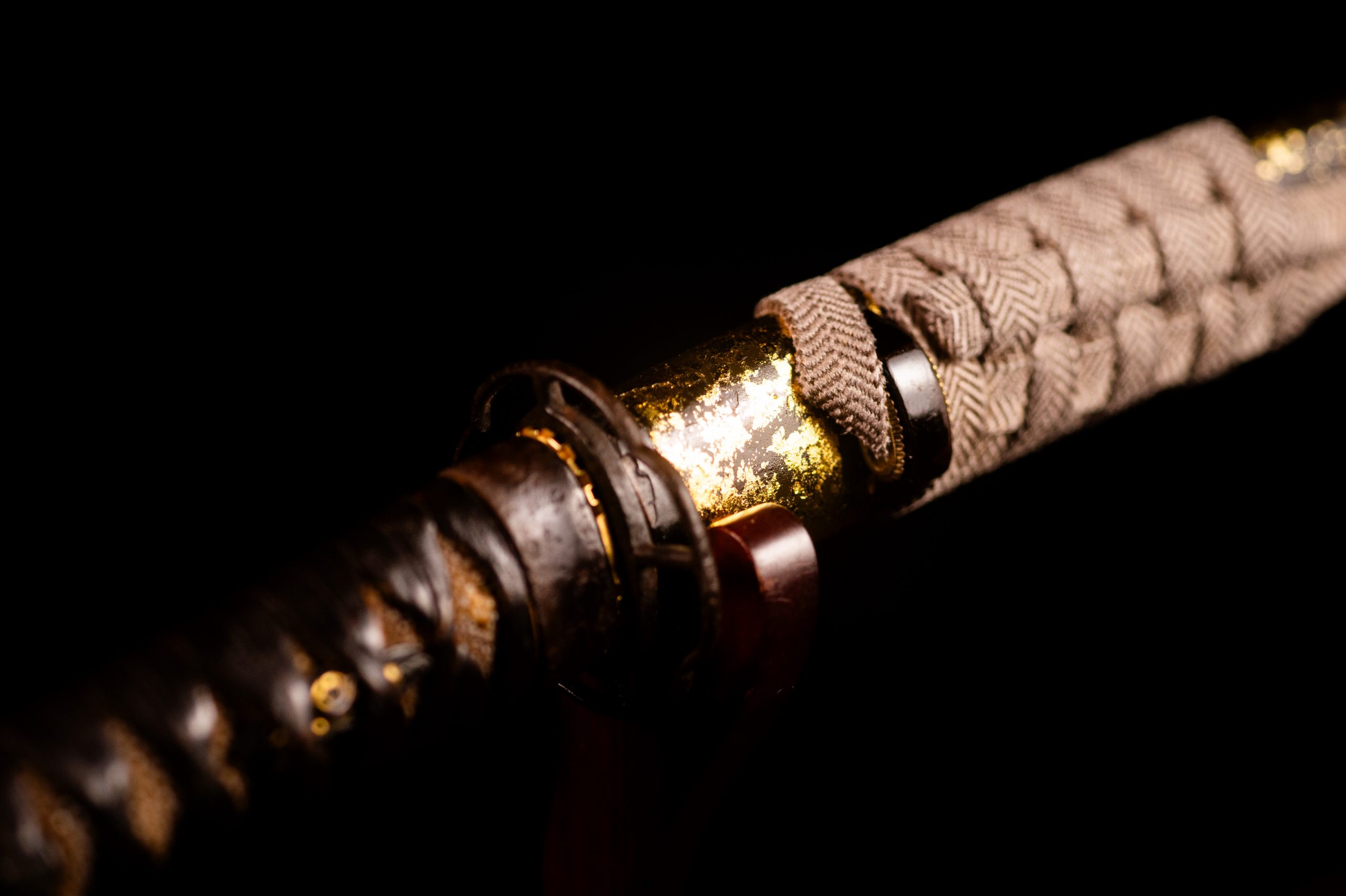
The tantō retains a complete koshirae of sober, functional character:
-
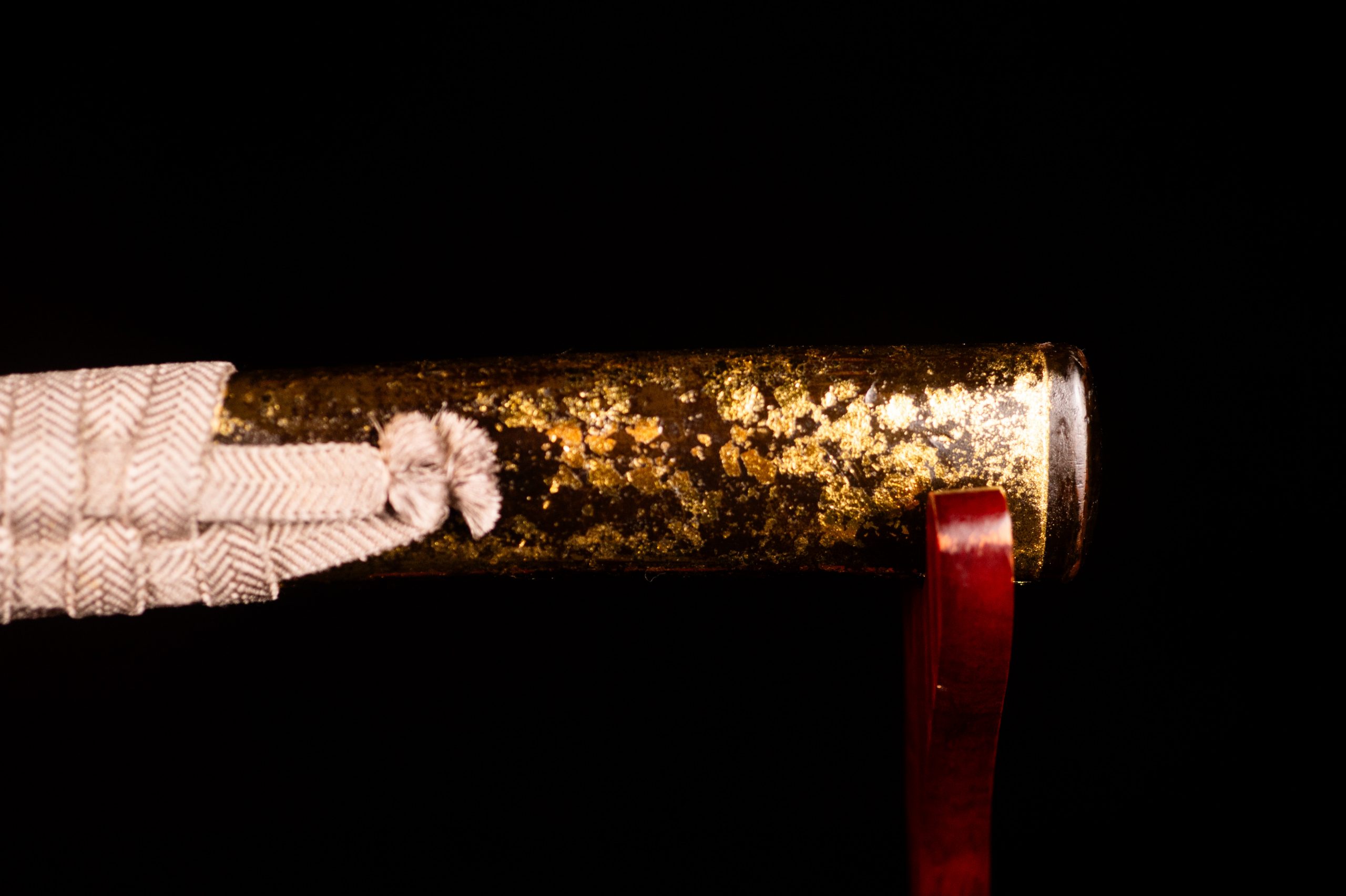
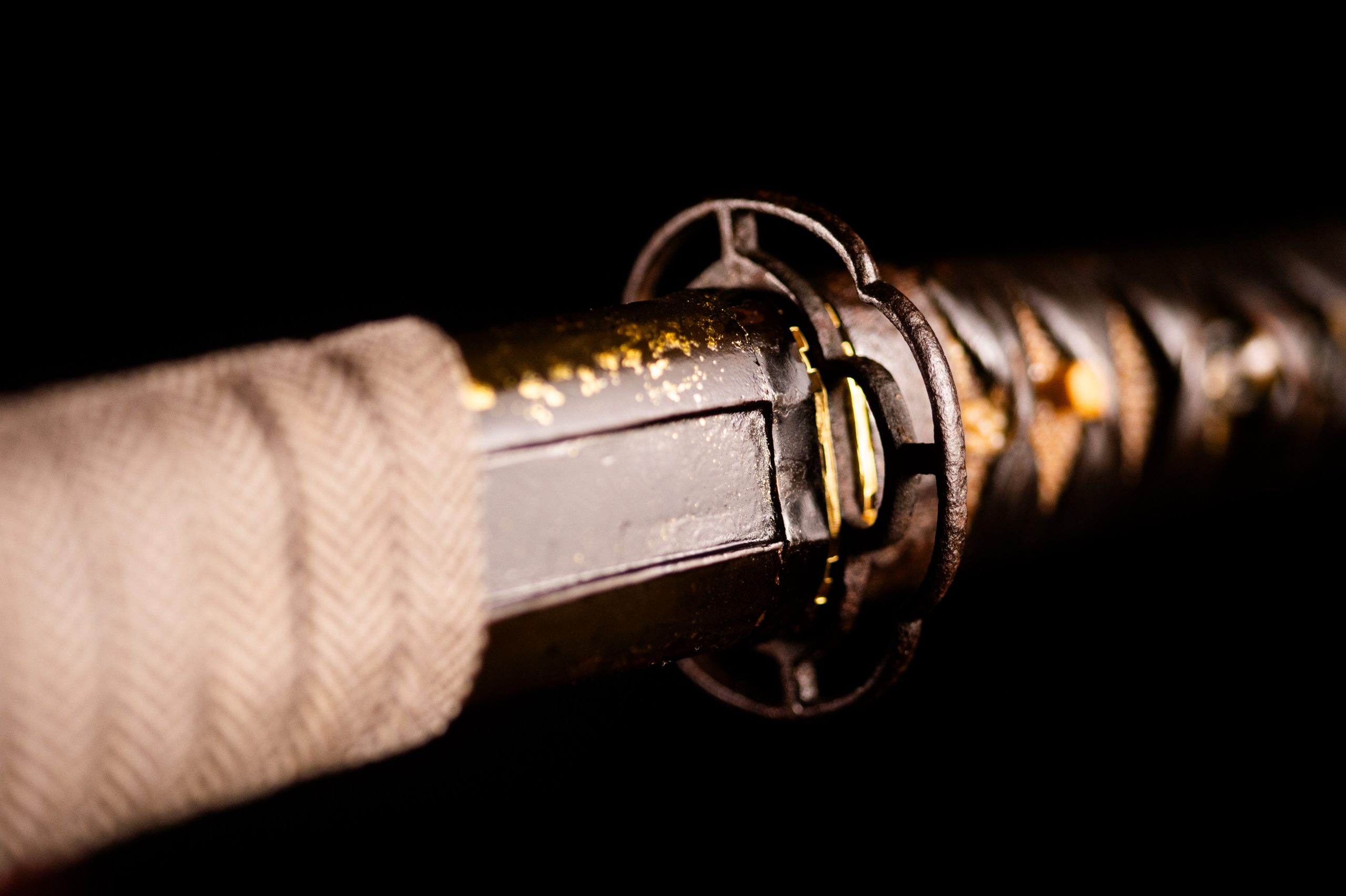
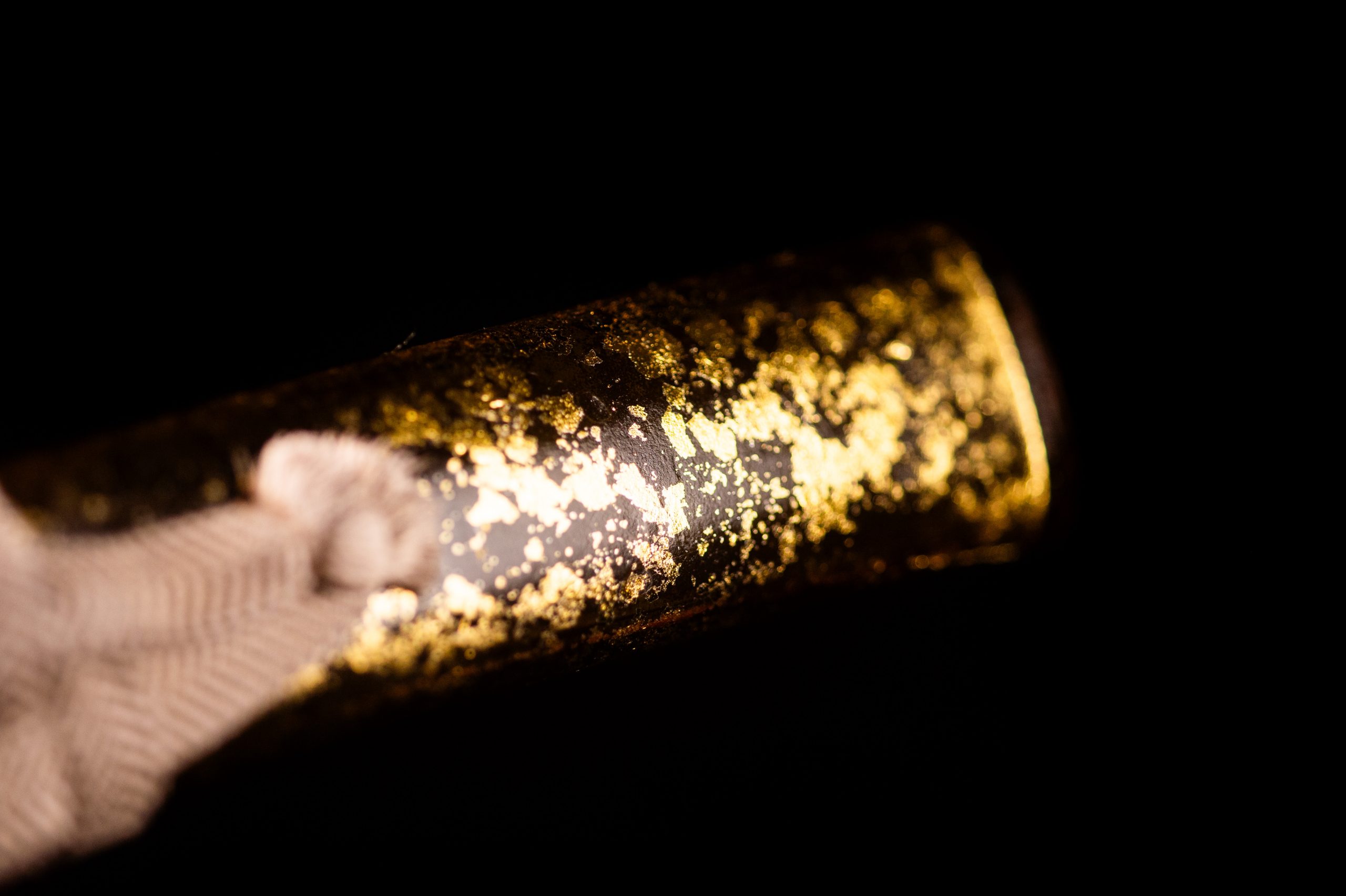
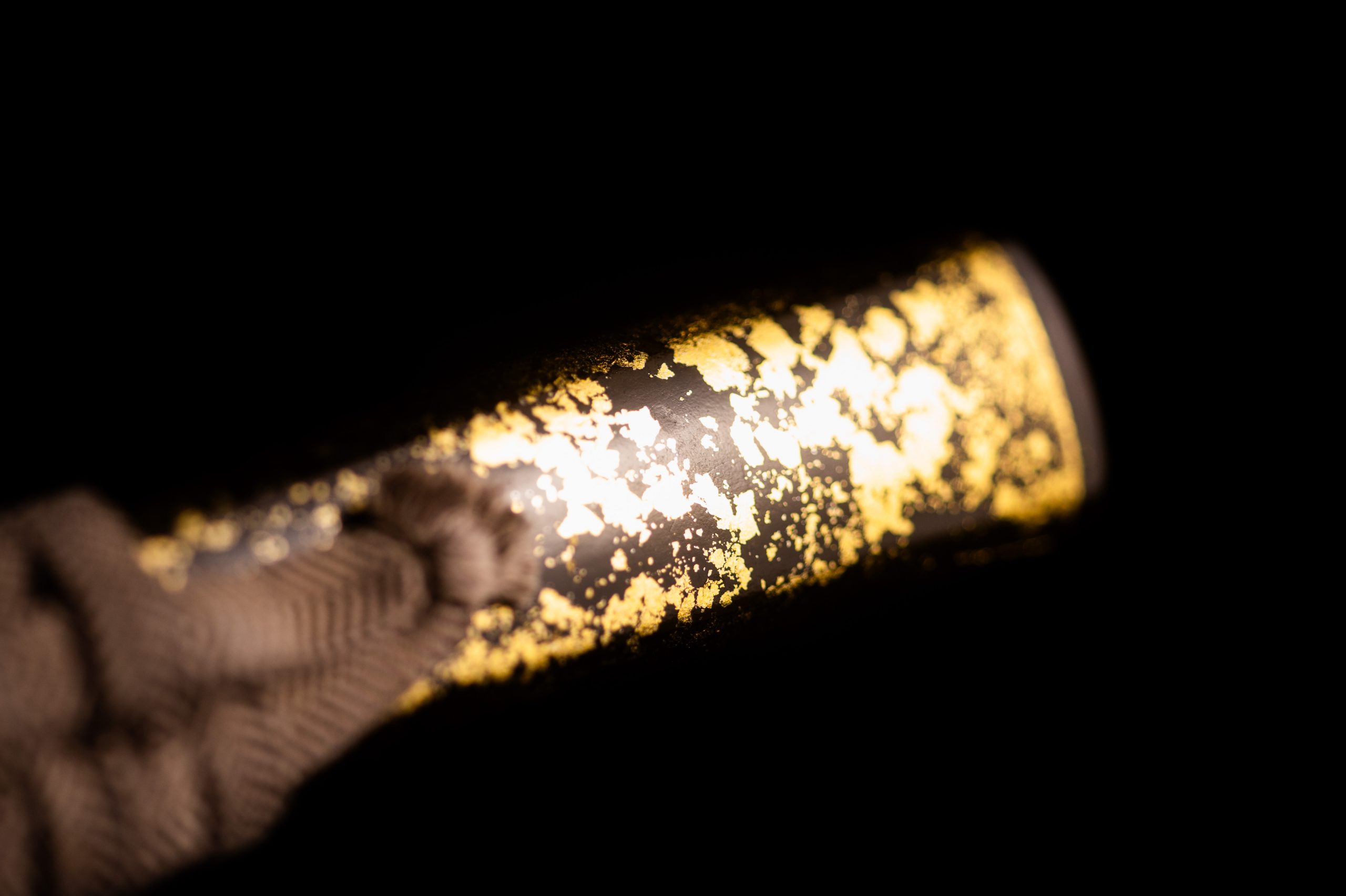
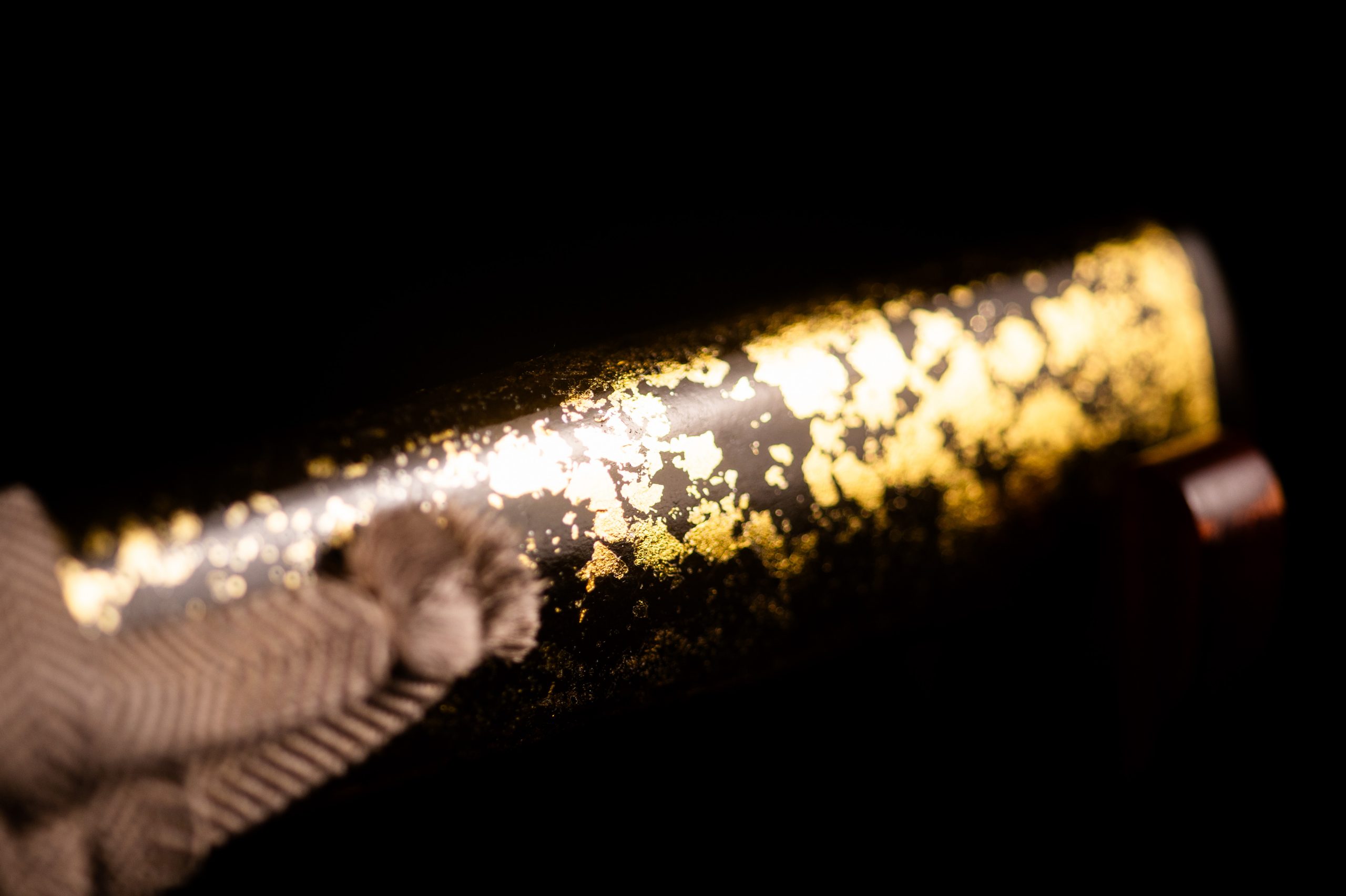
Saya: Black lacquer with gold maki-e decoration, showing wear and partial loss of gilding consistent with age and use.
-
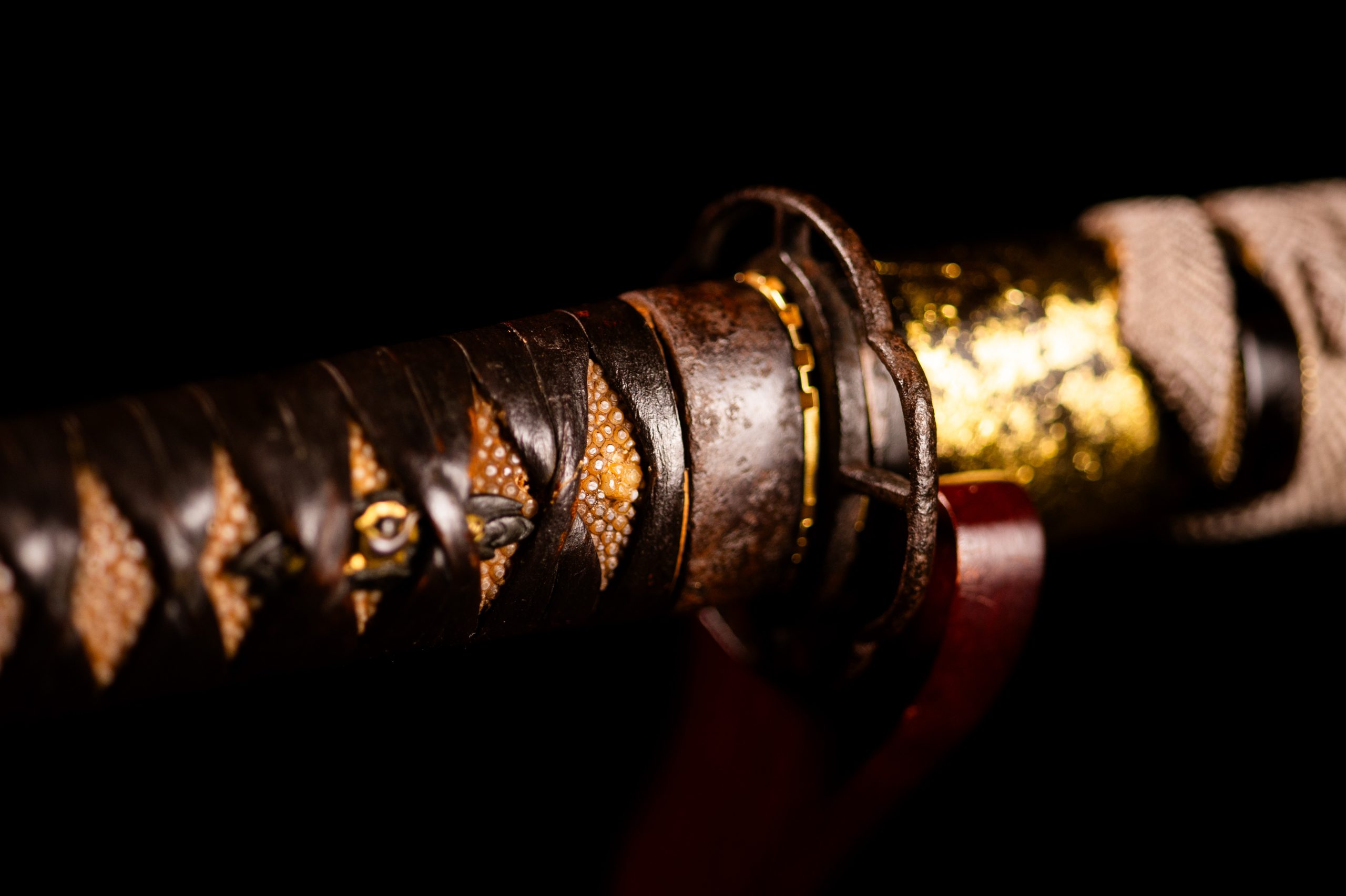
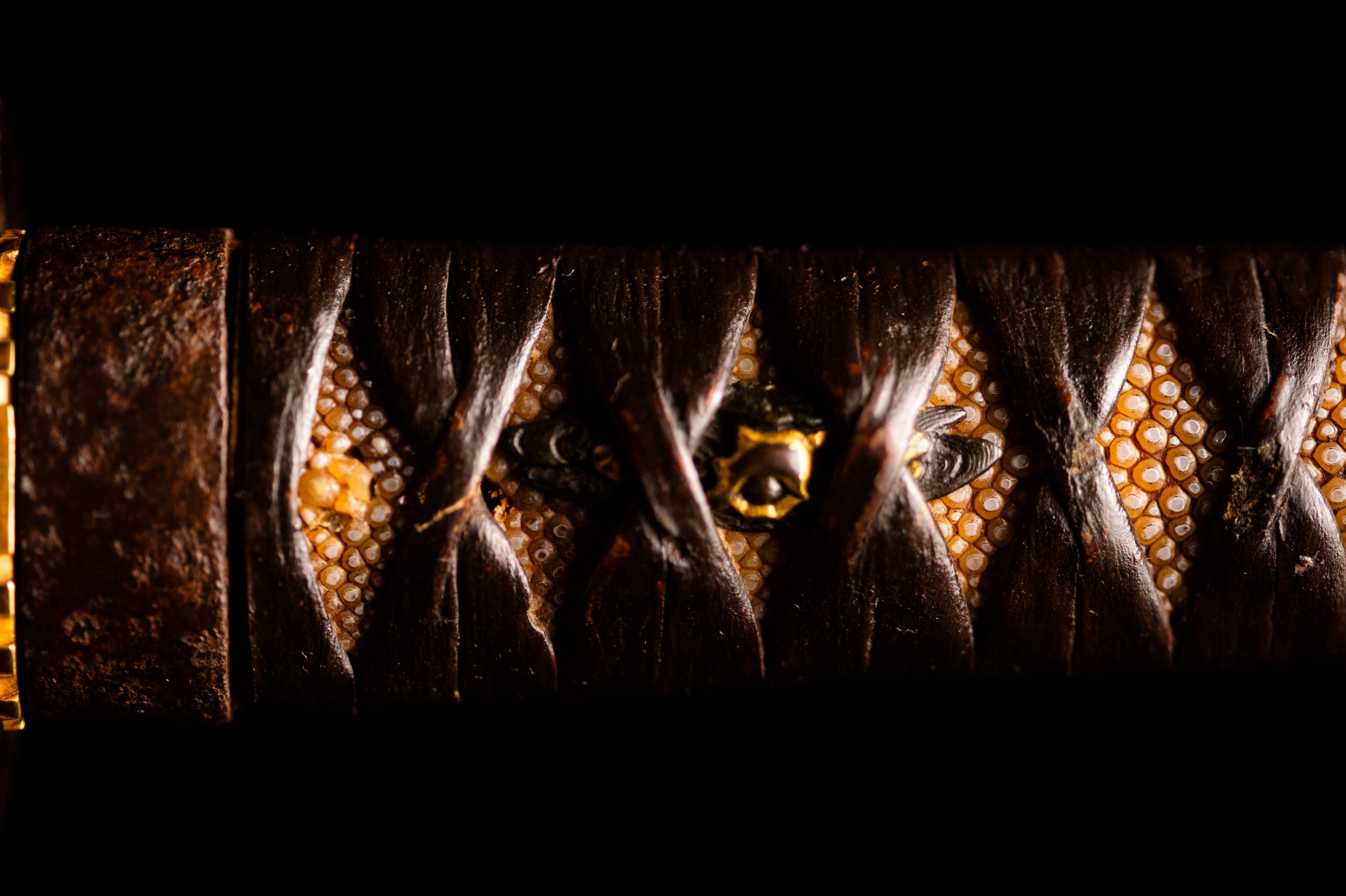
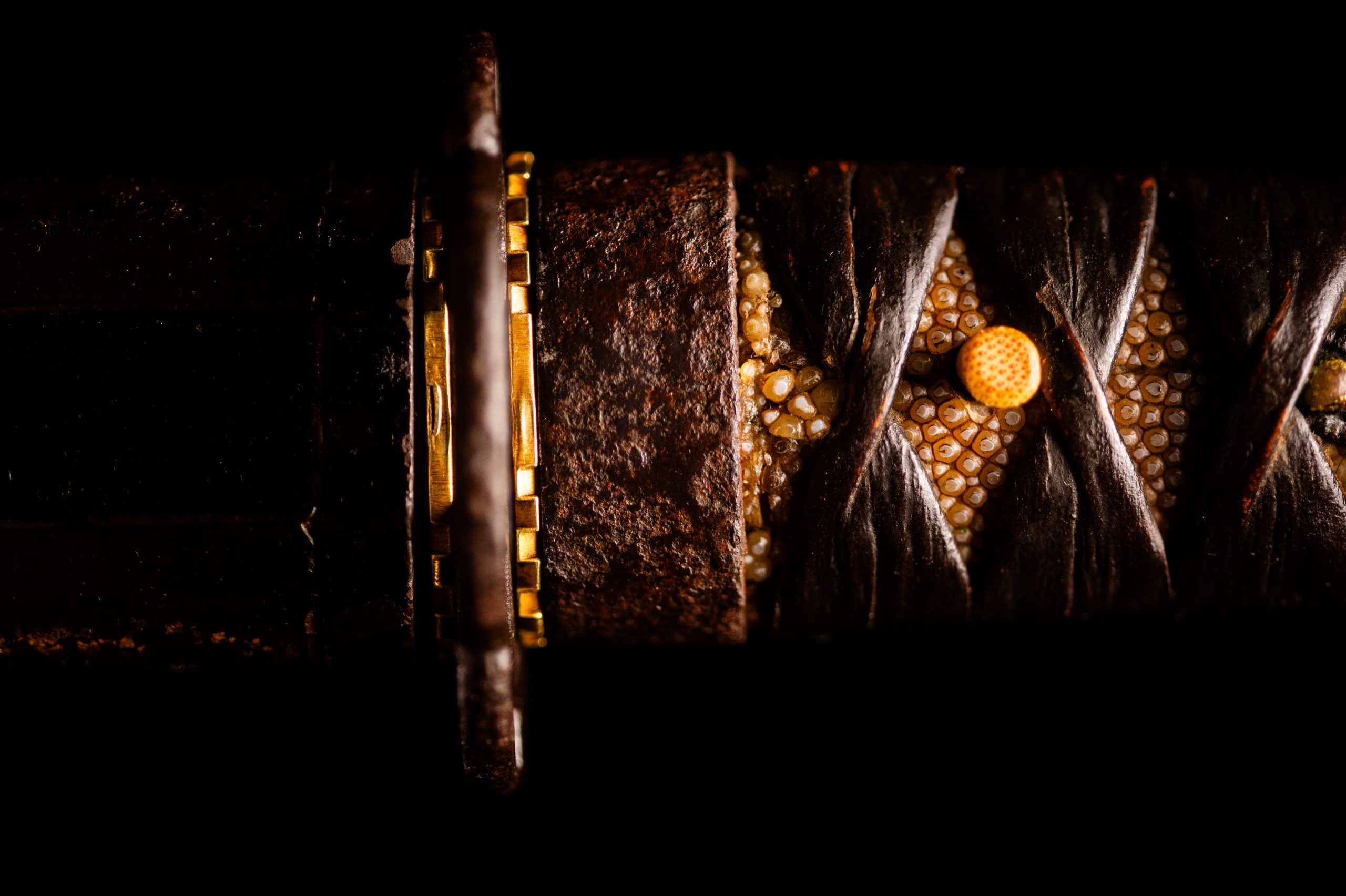
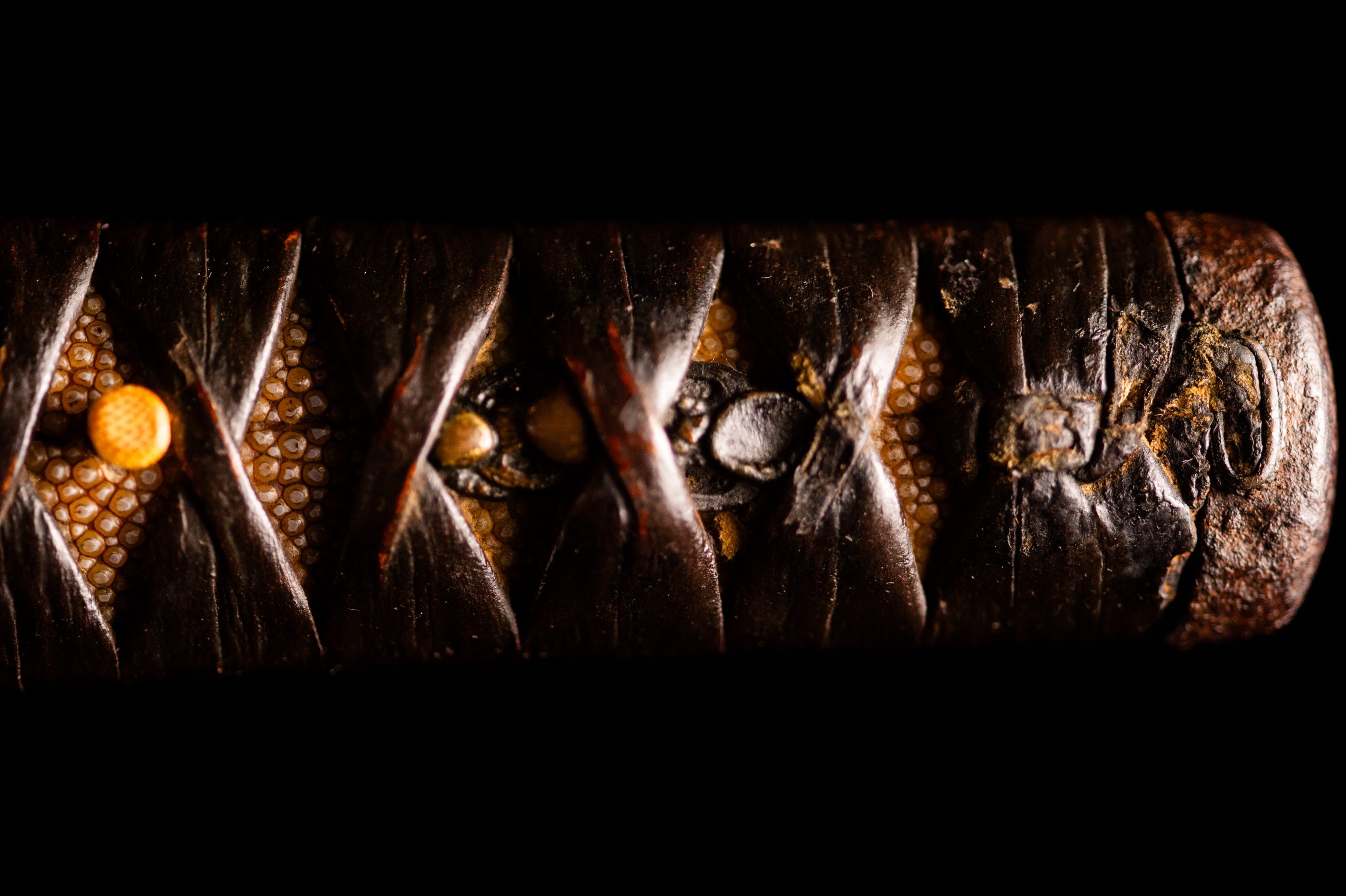
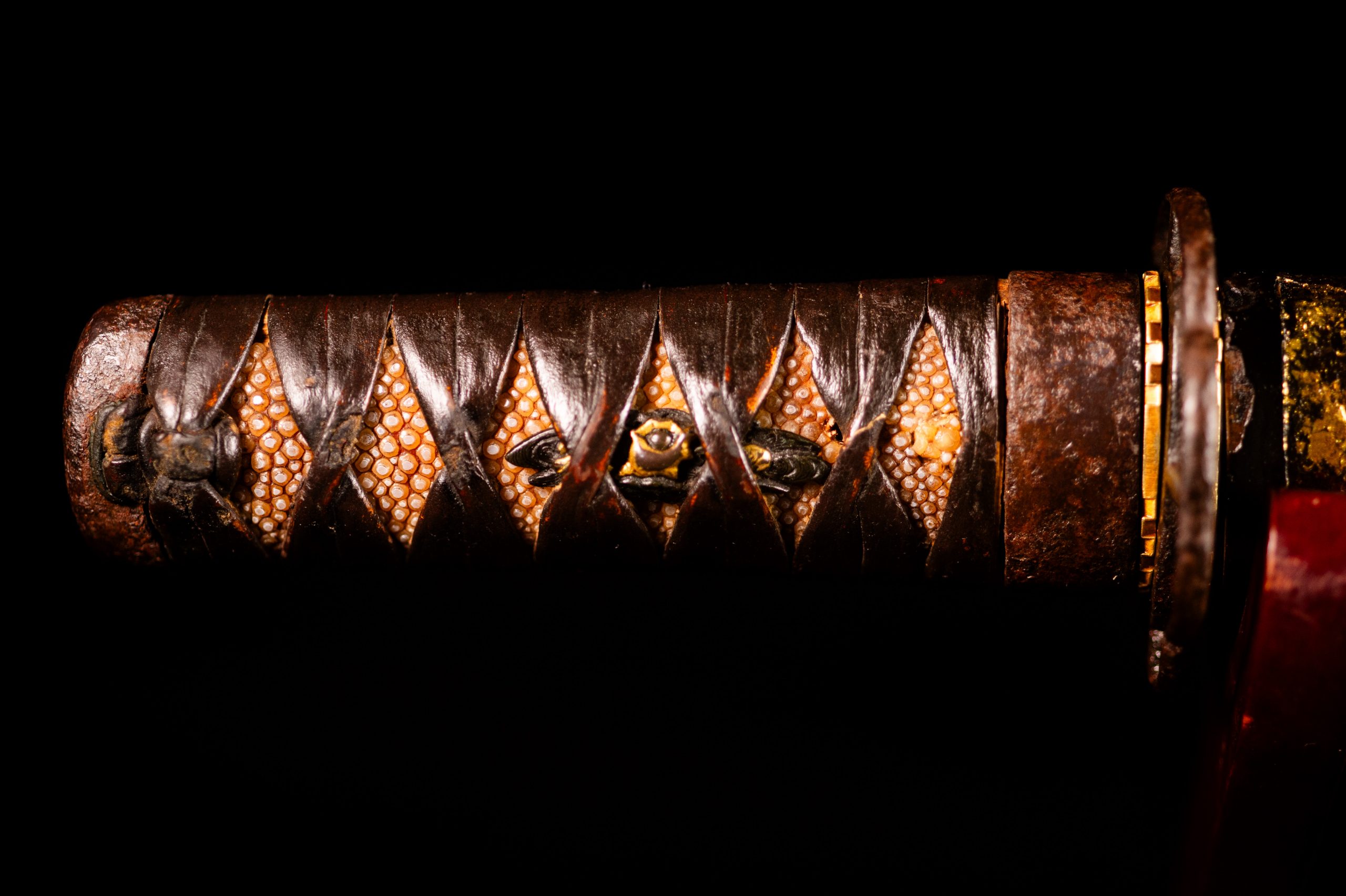
Tsuka: Covered in dark leather, with samegawa visible through the diamond openings; natural patina and wear are evident.
-
Menuki: Small metal menuki discreetly placed beneath the wrap.
-
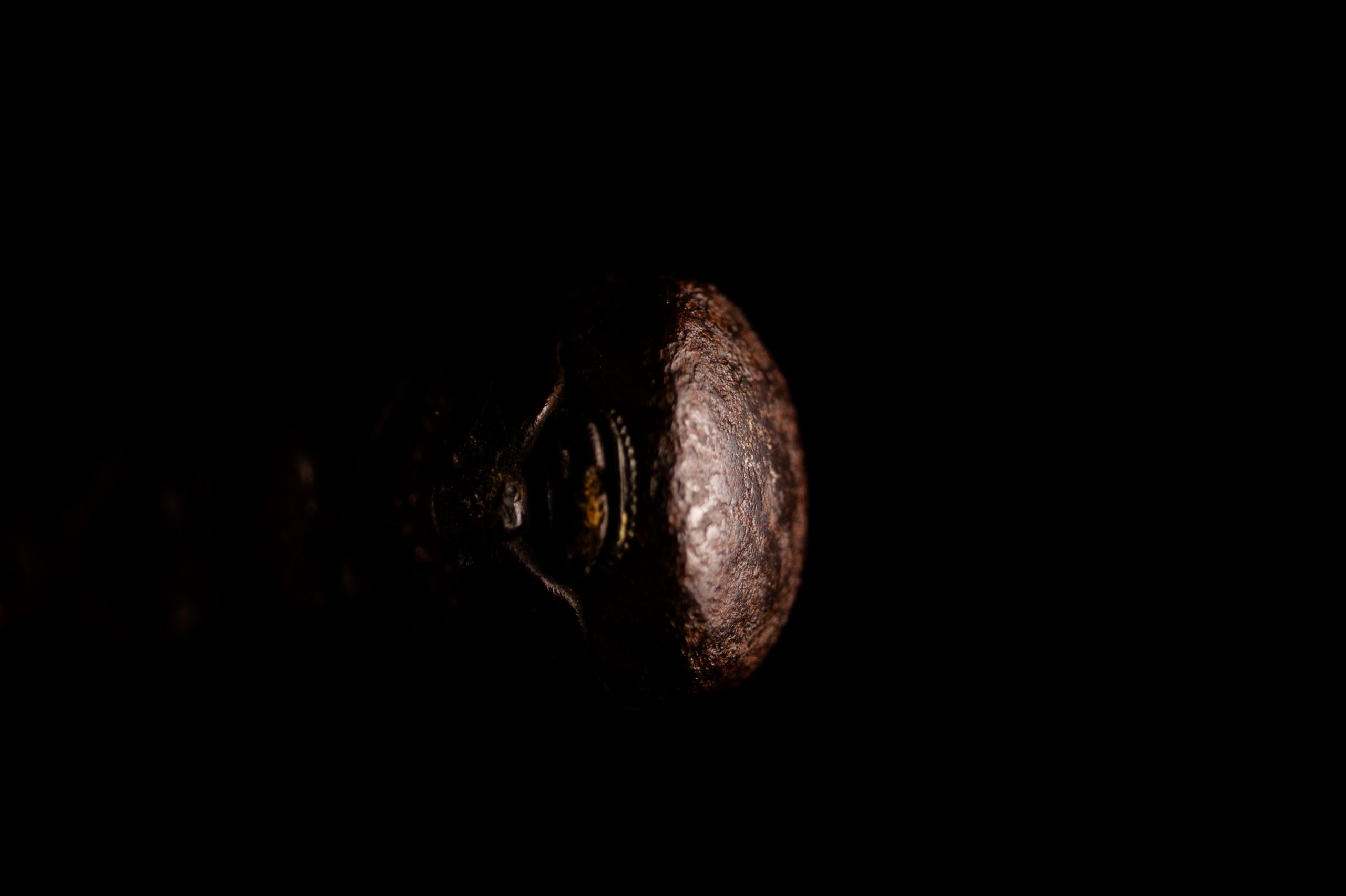
Fuchi and kashira: Plain metal fittings with dark patina.
-
Tsuba: Small, functional tsuba appropriate for a utilitarian tantō.
The mounting is historically coherent and clearly oriented toward practical use.


