


Description
ITEM DESCRIPTION:
Comes with kimono or cotton bag. Comes with certificate of Supein Nihonto. Comes with copy of Tokorusho.
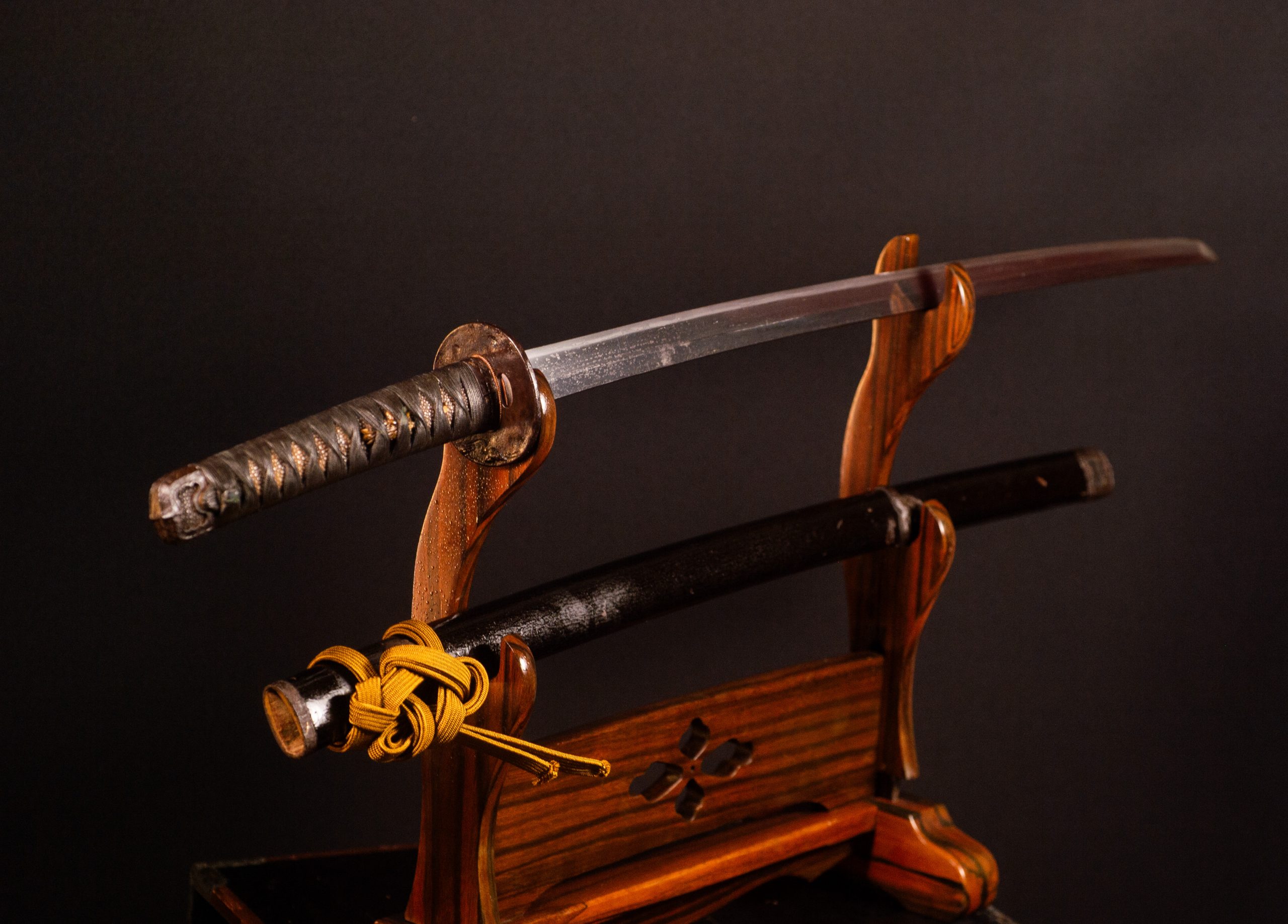
Edo-period katana in handachi koshirae
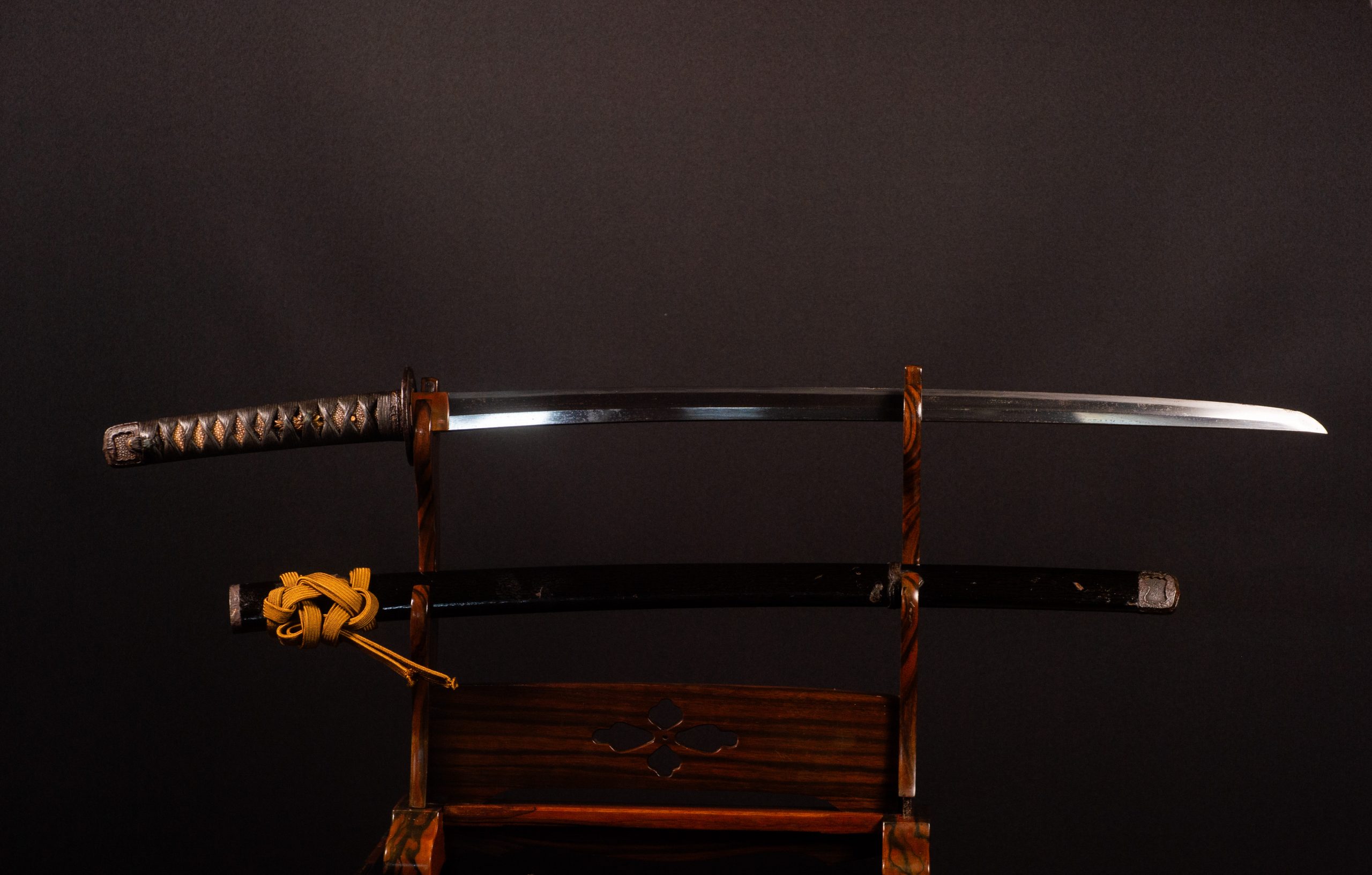
Japanese katana from the Edo period mounted in a handachi koshirae of particularly strong presence, combining a classically proportioned blade with a mounting of sober, formal and distinctly martial character. The overall composition is refined and technically coherent, with a restrained aesthetic that suits this type of piece especially well.
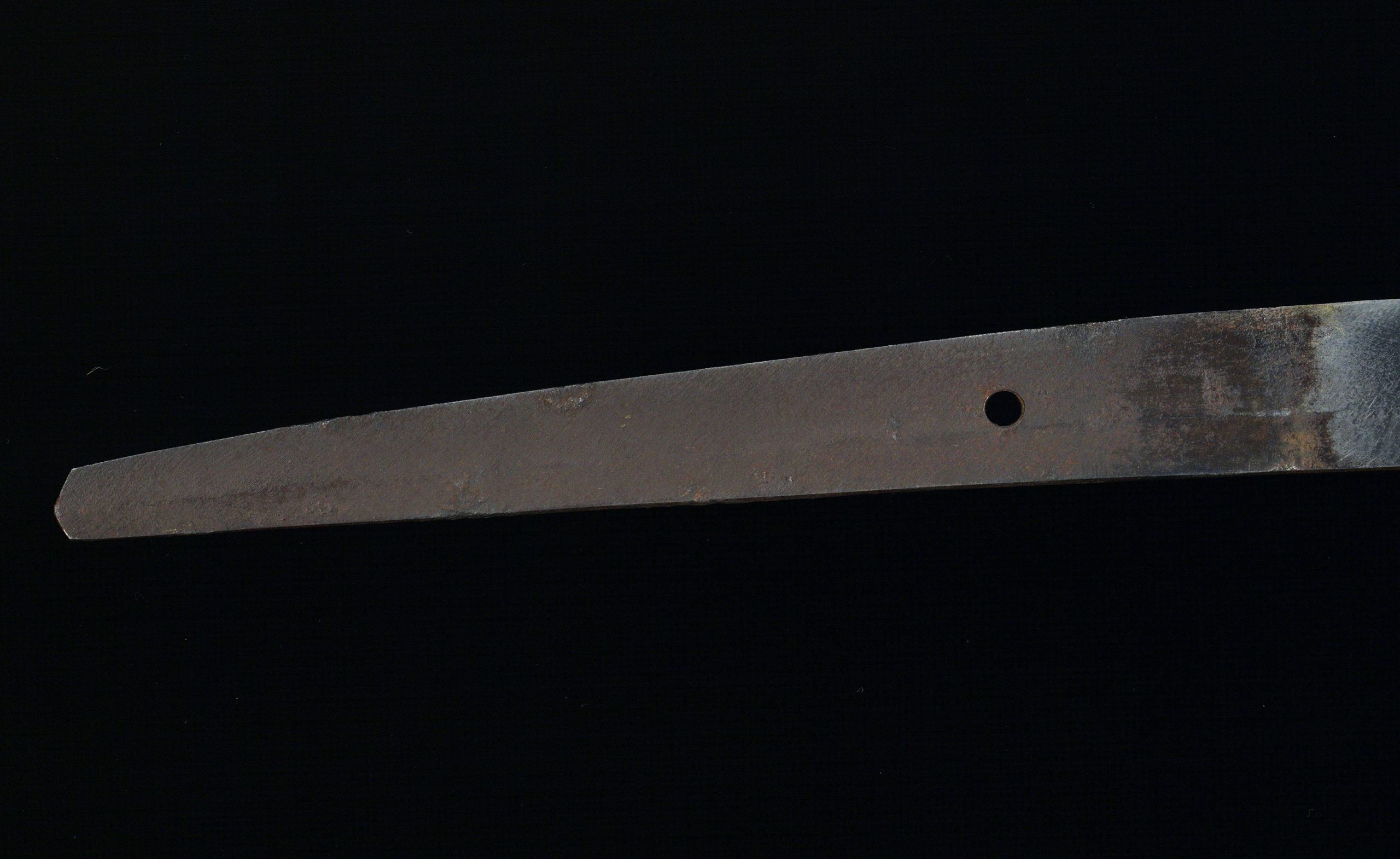
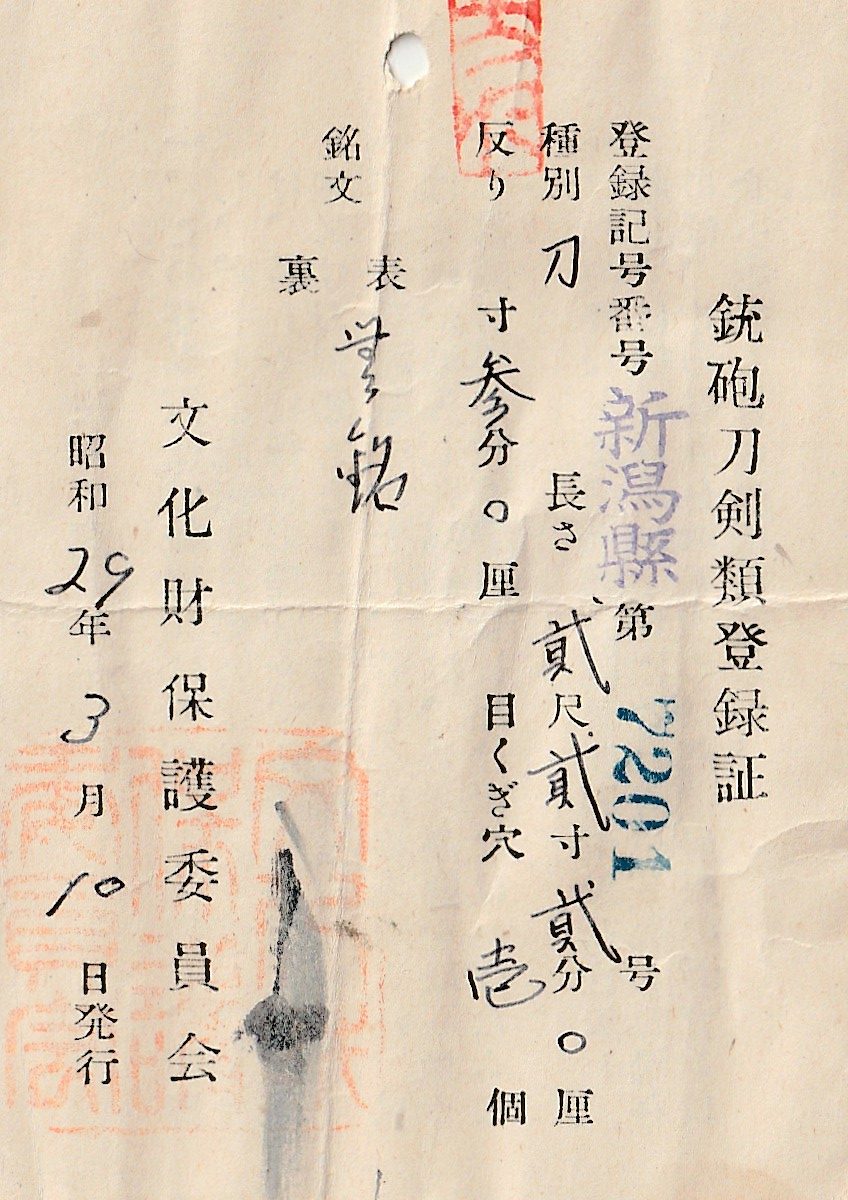
The accompanying torokusho is registered as 新潟縣第7201号. It records the sword as 刀, with a length of 弐尺弐寸弐分 (approx. 67.3 cm), a curvature of 壱寸参分 (approx. 1.6 cm), and one mekugi-ana.
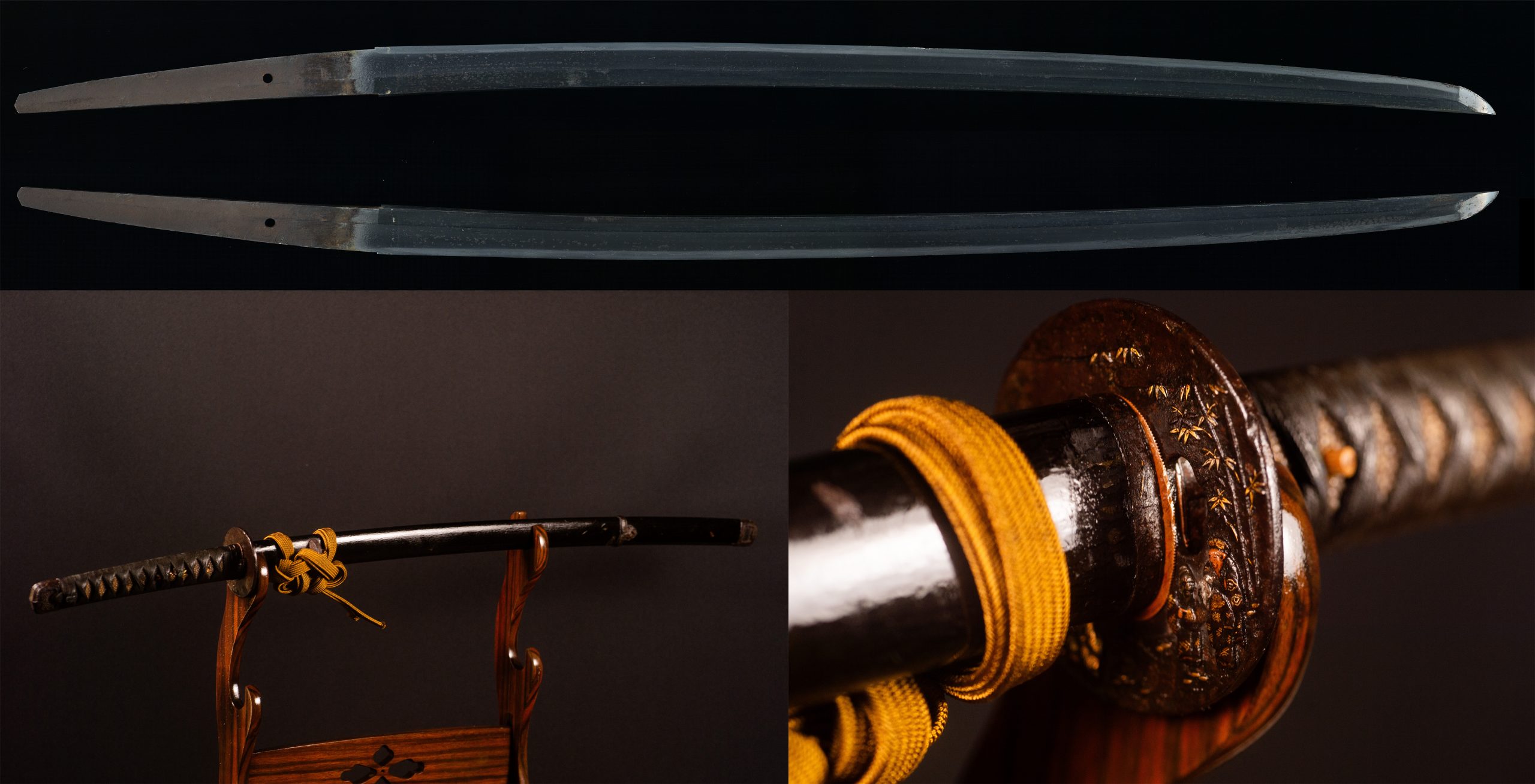
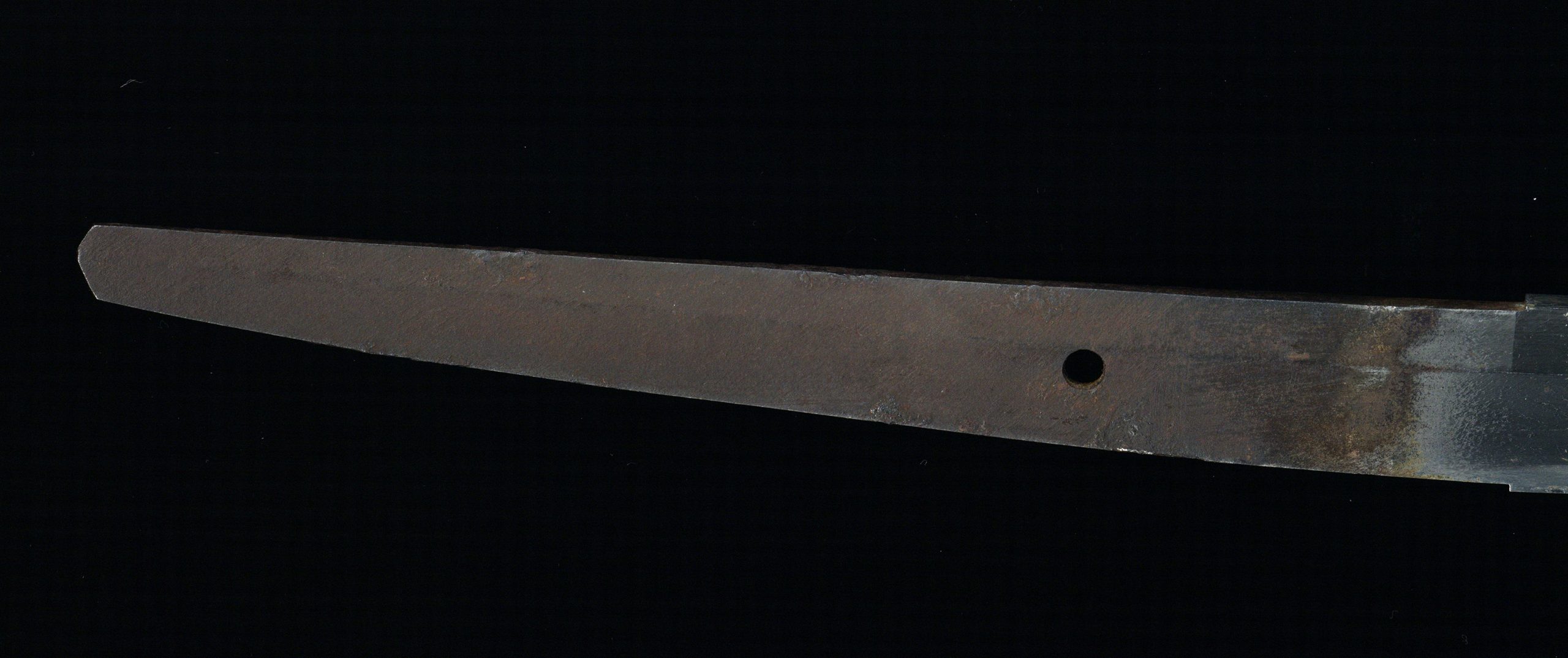
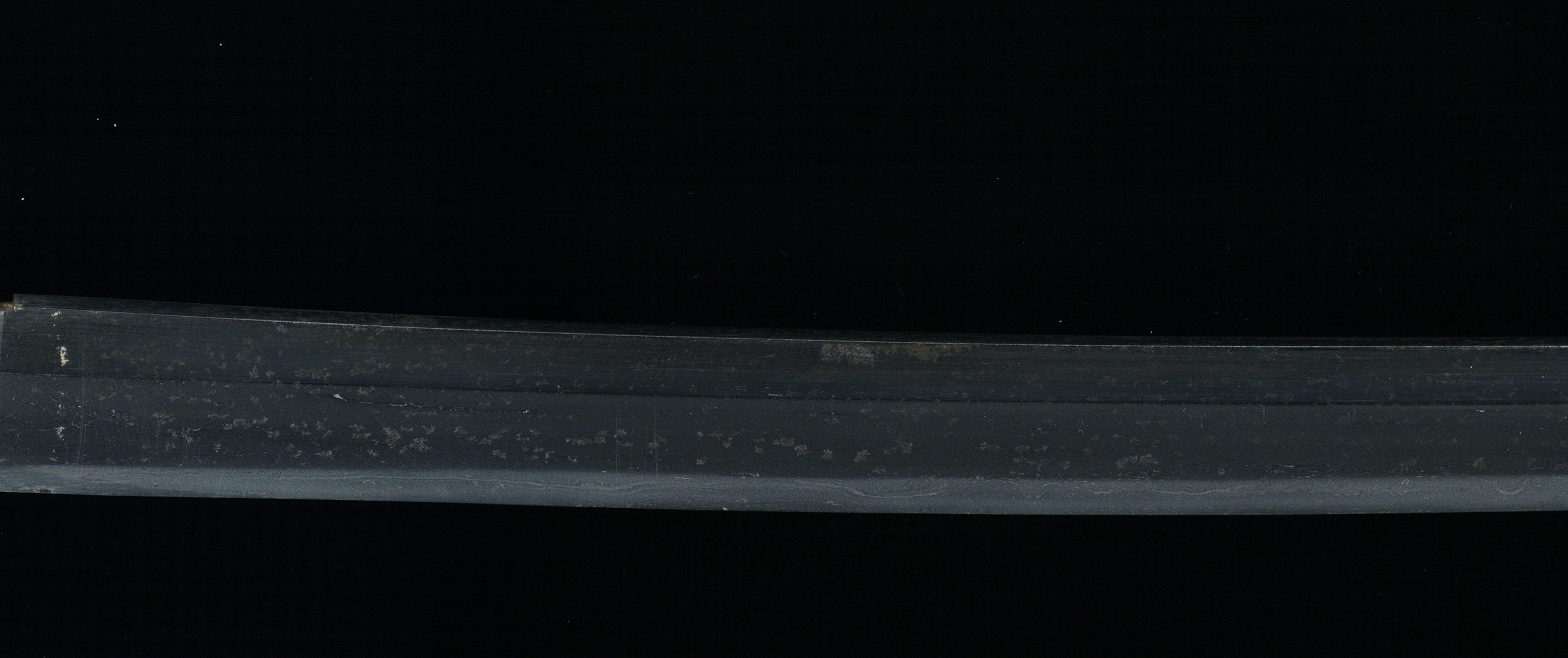
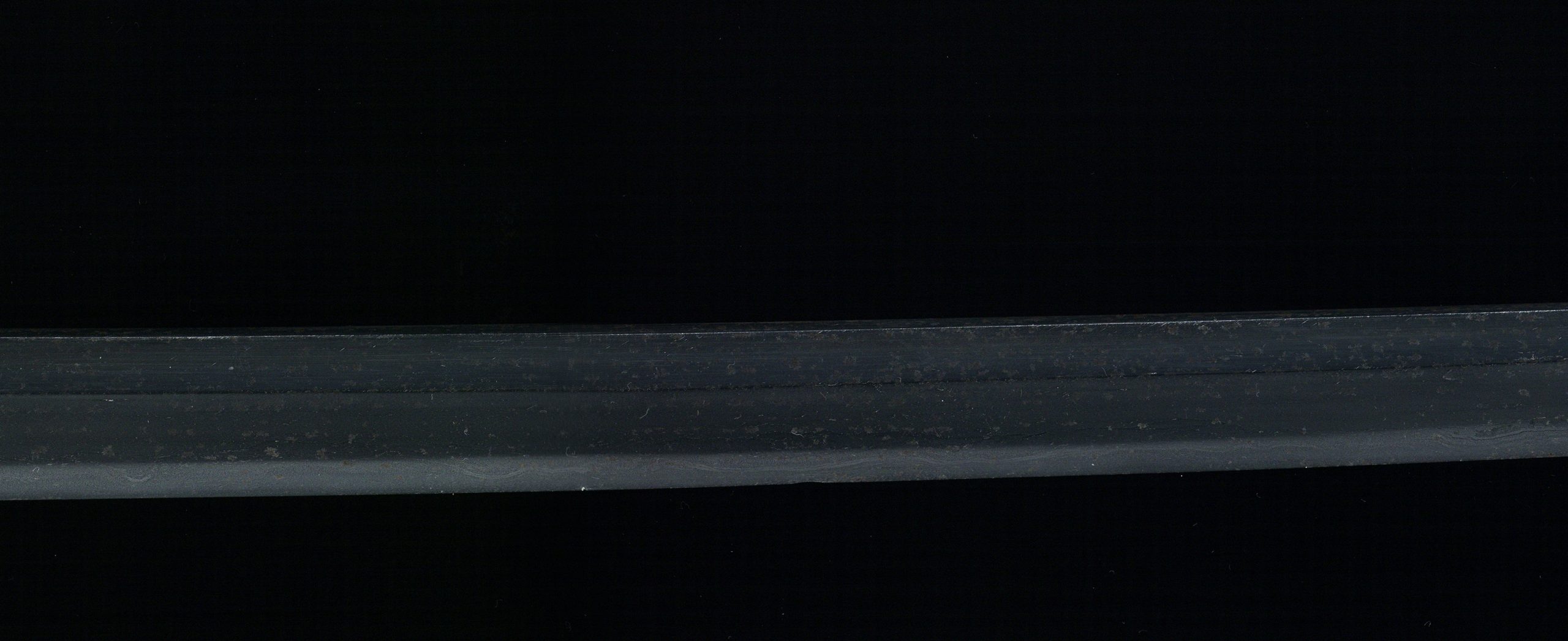
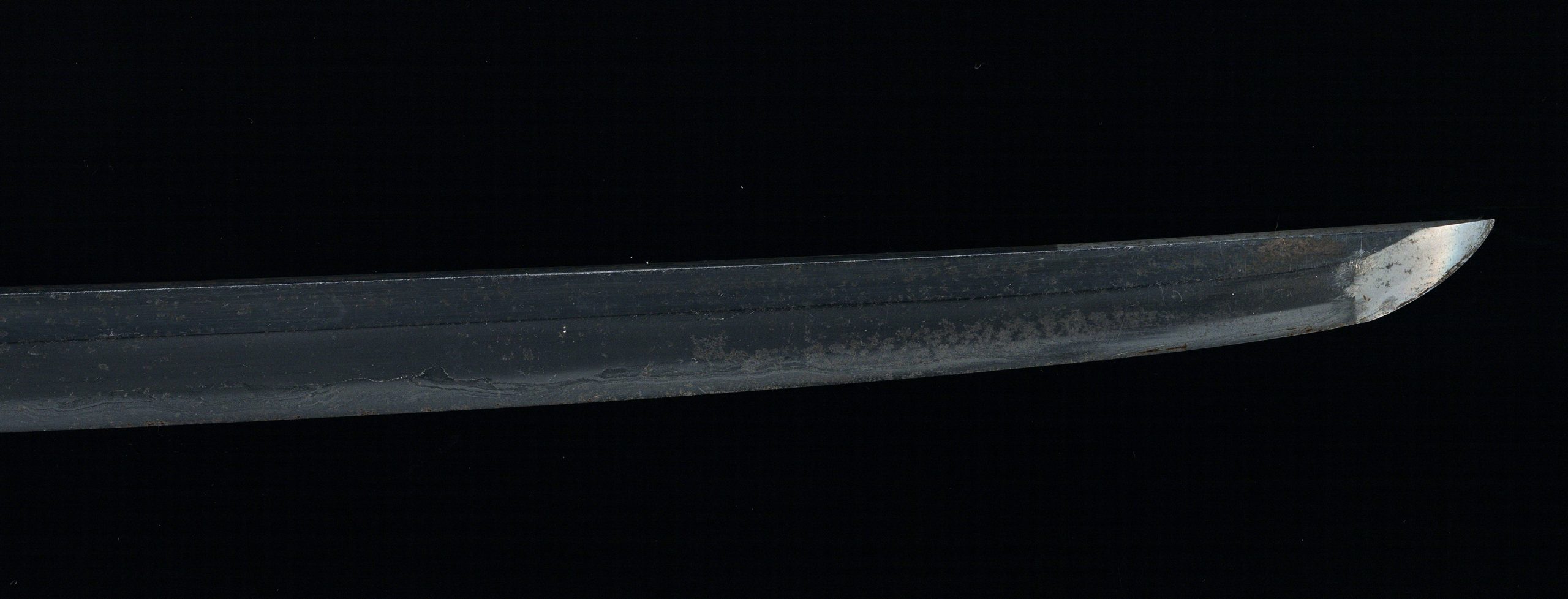
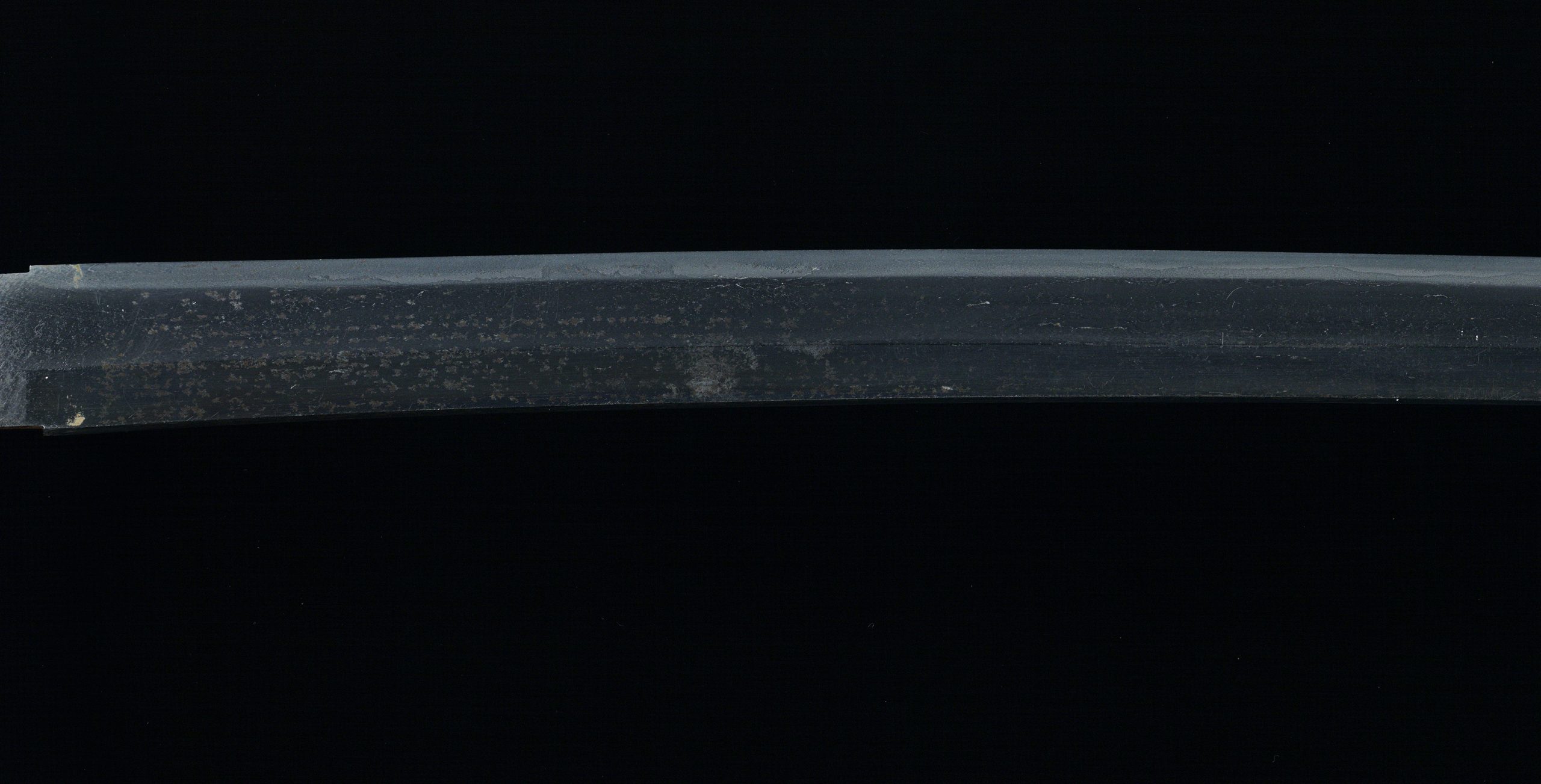
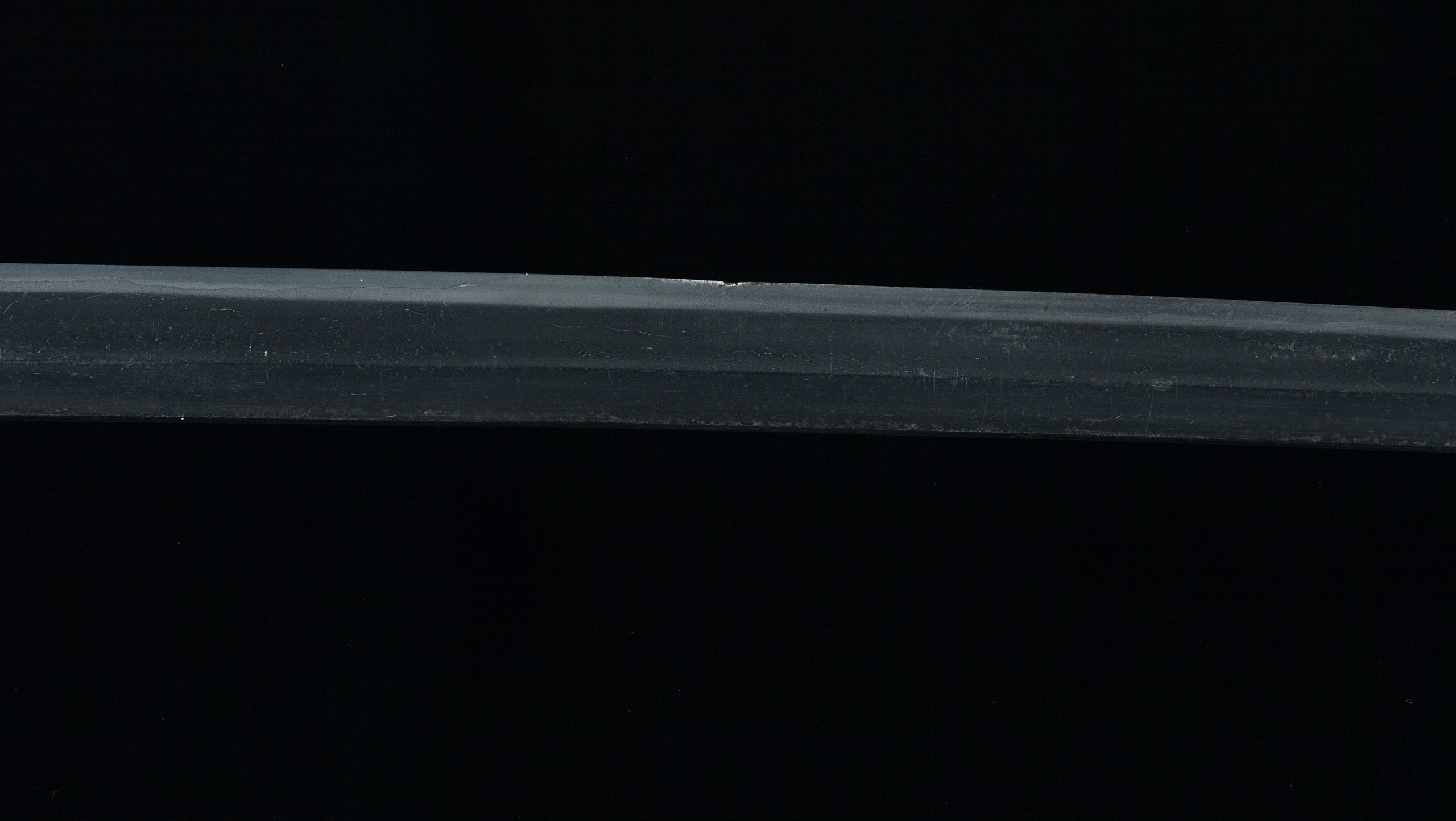
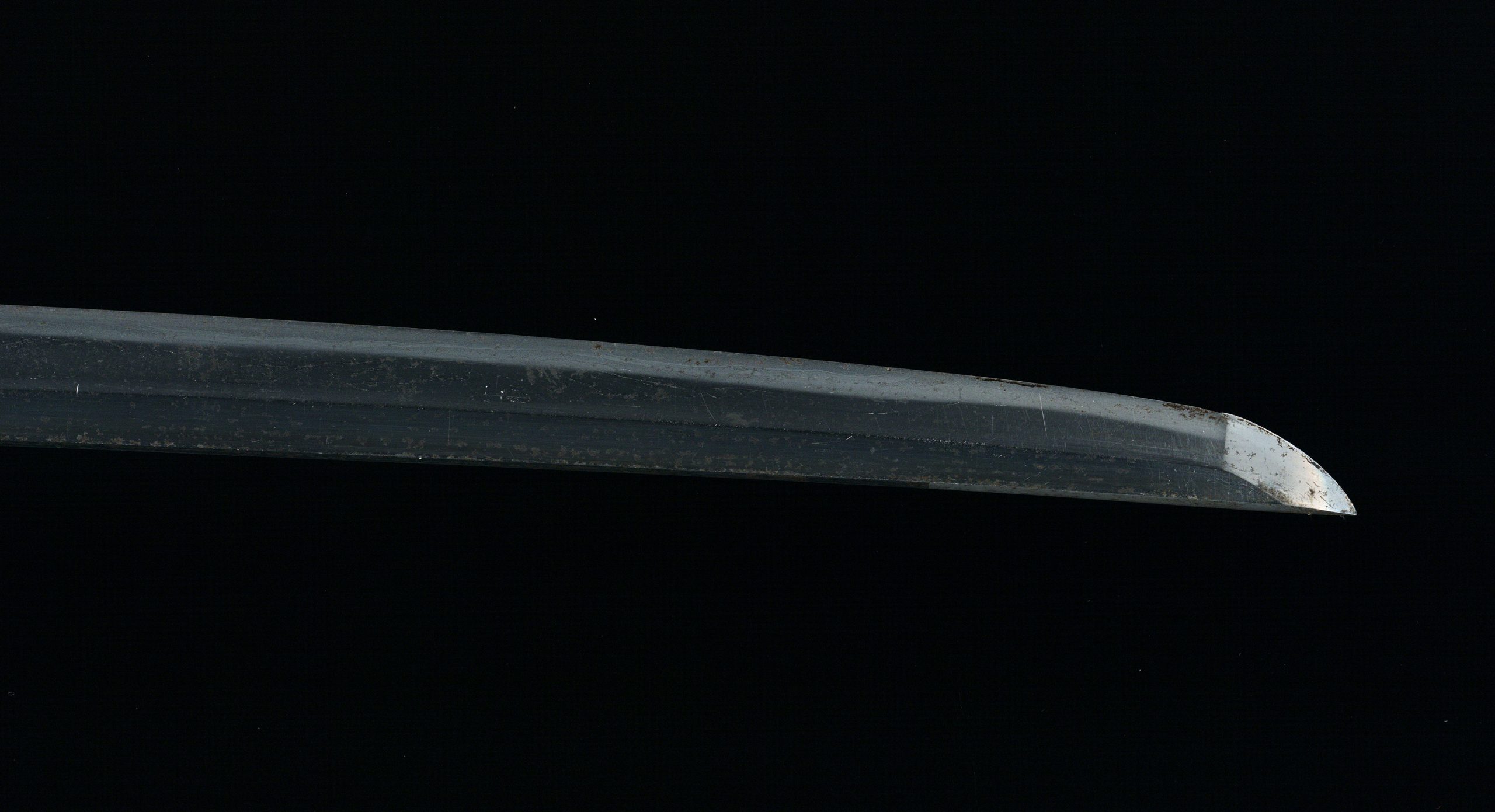
The blade is formed in shinogi-zukuri with iori-mune, showing elegant proportions and a relatively pronounced curvature, a feature that gives the sword a distinguished silhouette and a very characteristic Edo-period profile. The overall line is harmonious, with a well-resolved flow from the machi through to the kissaki. The nakago shows an old, stable patina consistent with the age of the piece.
The hamon is suguha, straight, restrained and fully in keeping with the general character of the sword. This style of tempering reinforces the sense of formal discipline and visual clarity without relying on exaggerated activity. The surface also preserves a clear reading of the blade’s overall structure, and the piece conveys the impression of a serious, well-proportioned and visually beautiful sword.
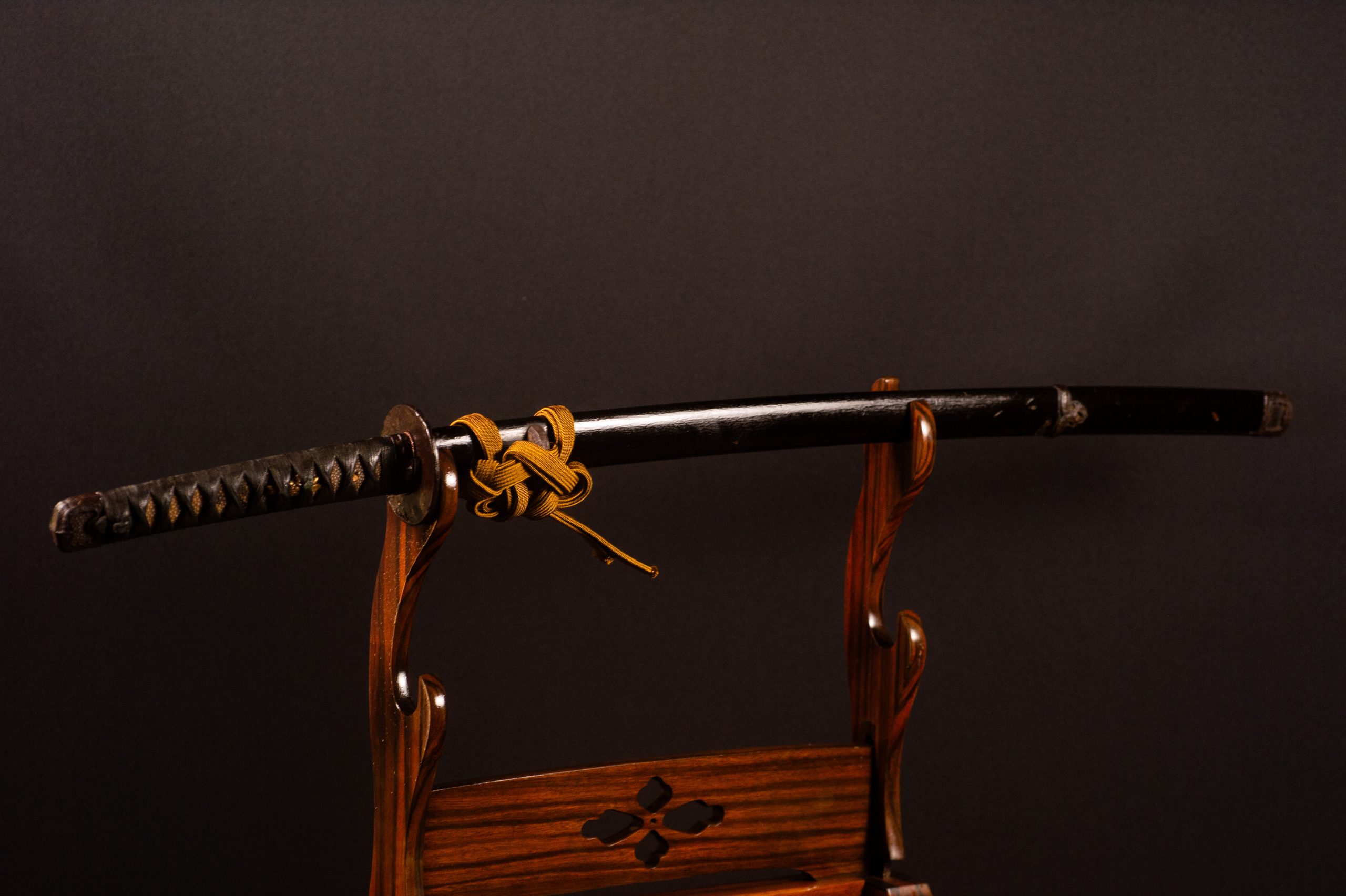
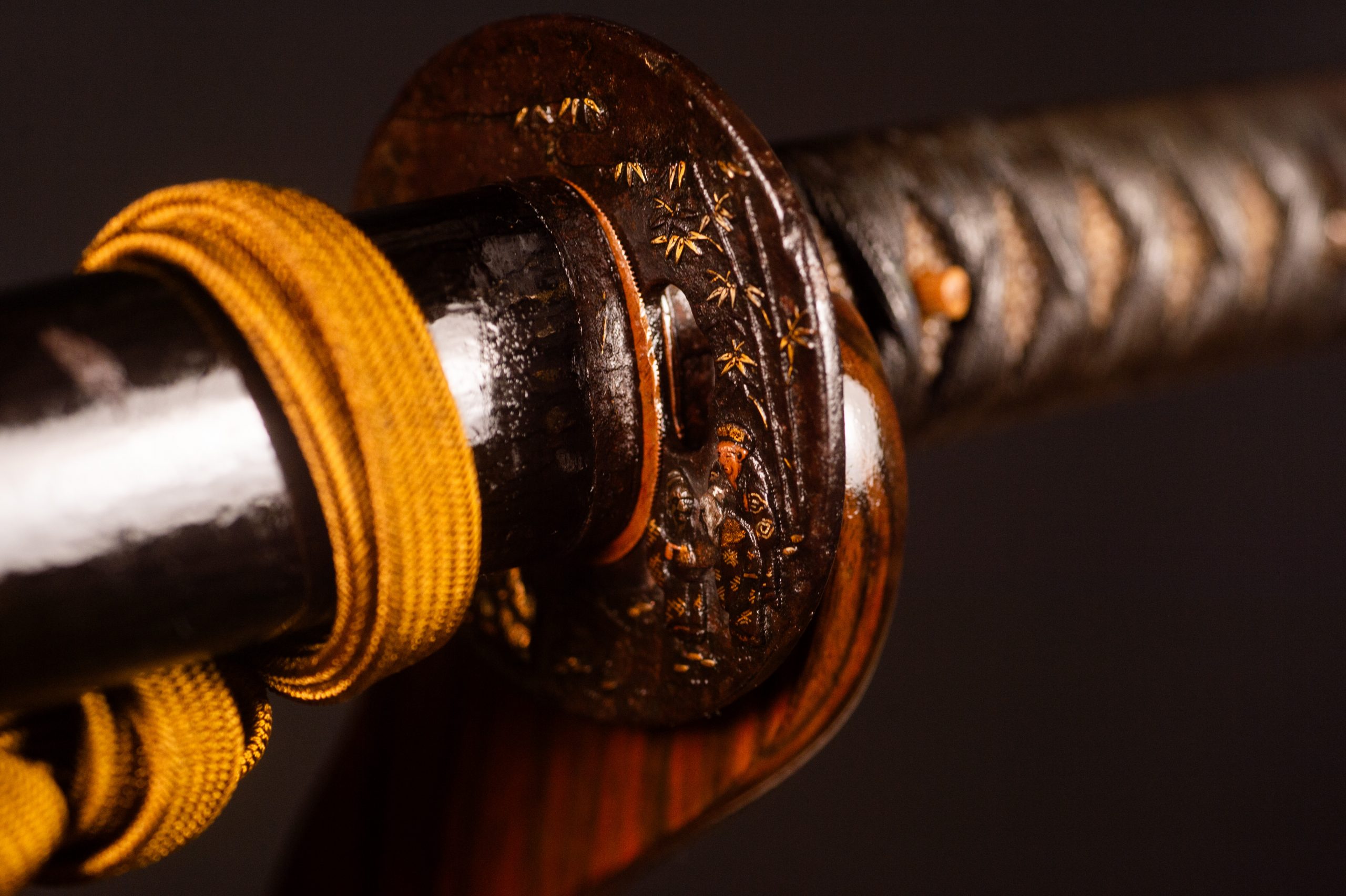
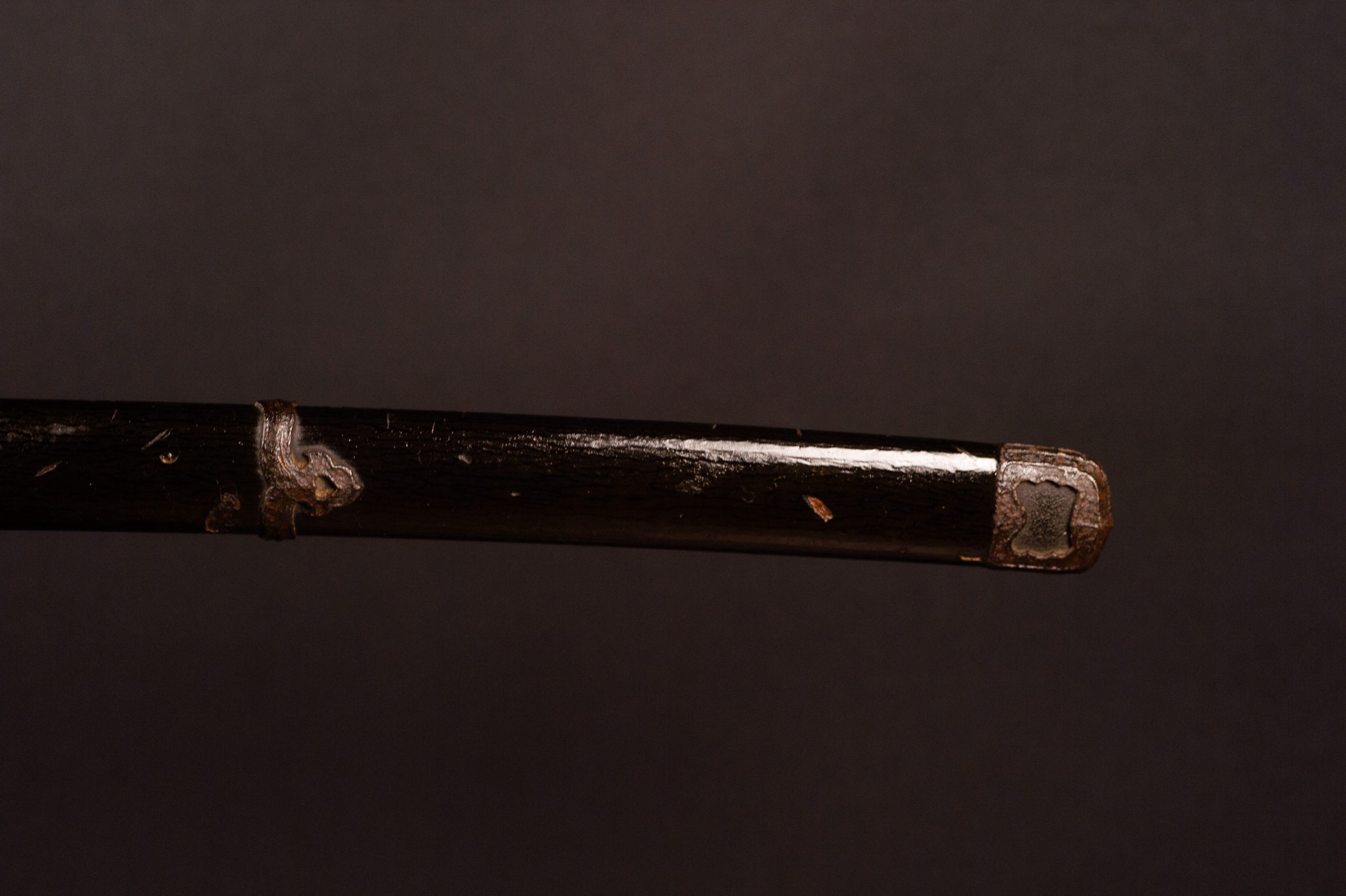
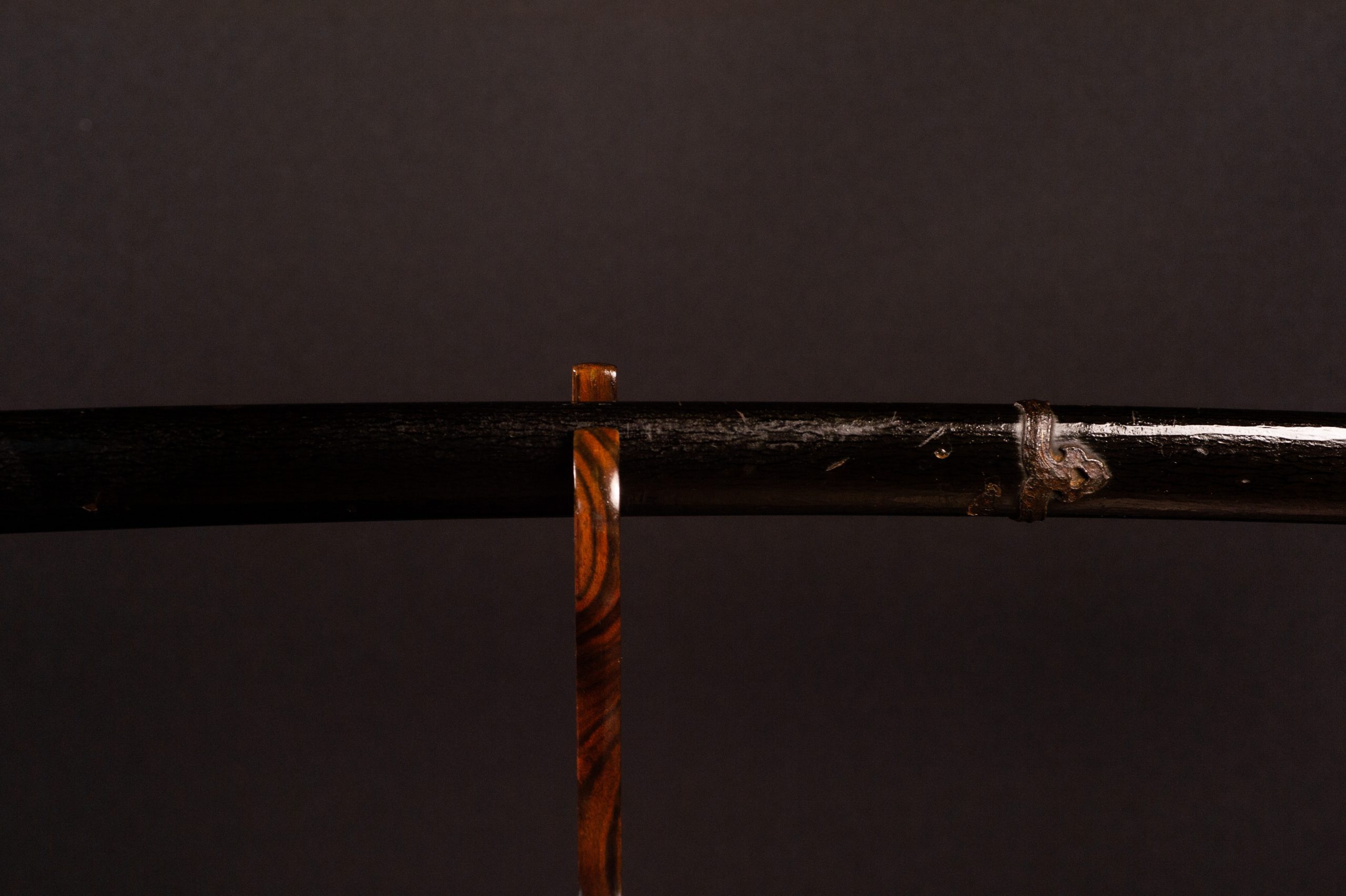
The koshirae is one of the major strengths of the piece. It is a handachi mounting of very good presence, a type especially appreciated for its elegant synthesis of tachi-derived formal elements with the practicality of katana mounting. The saya, finished in glossy black lacquer, has a deep and compact appearance, enhanced by a mustard-yellow sageo that provides a highly effective and distinguished chromatic contrast.
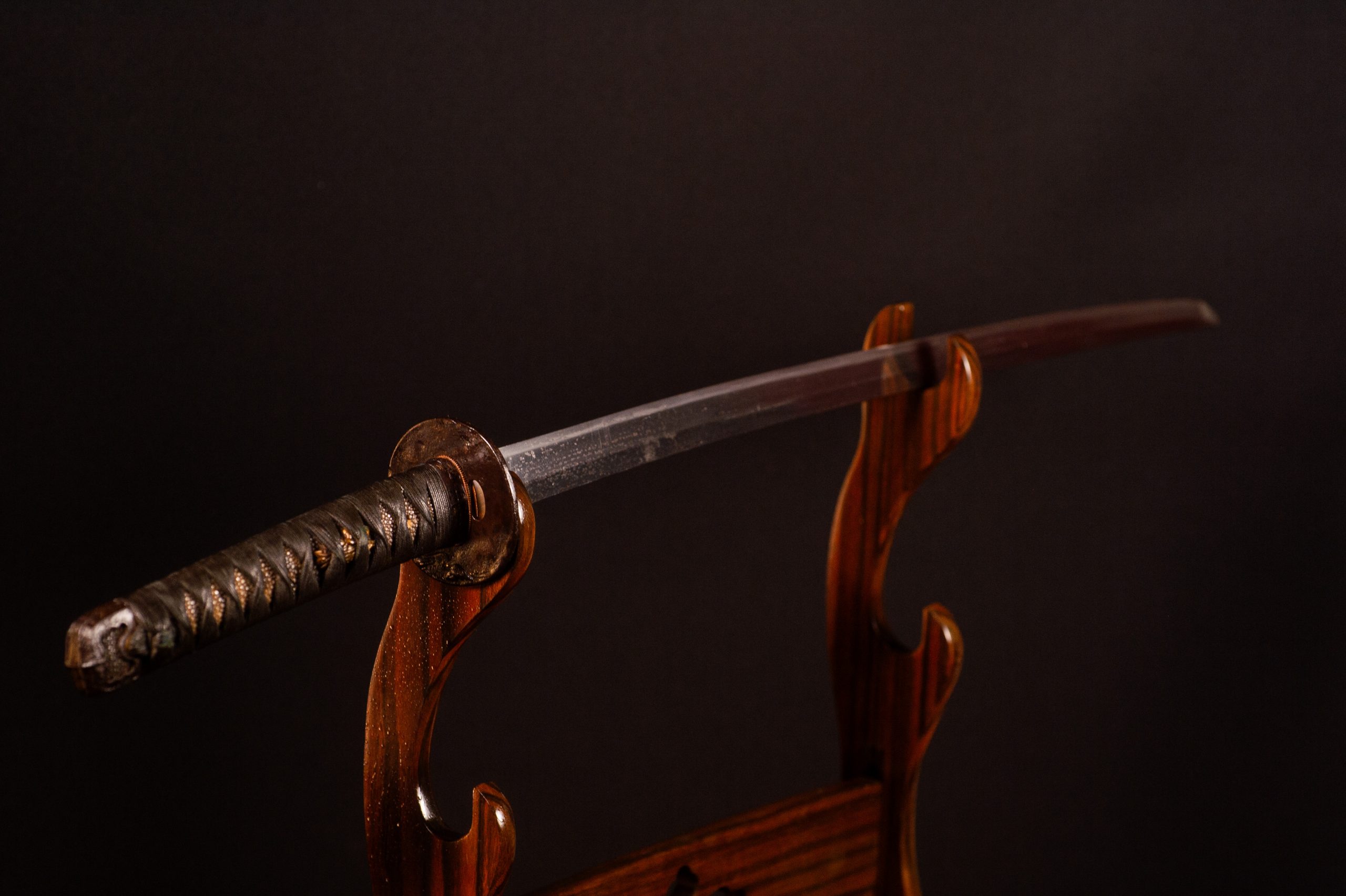
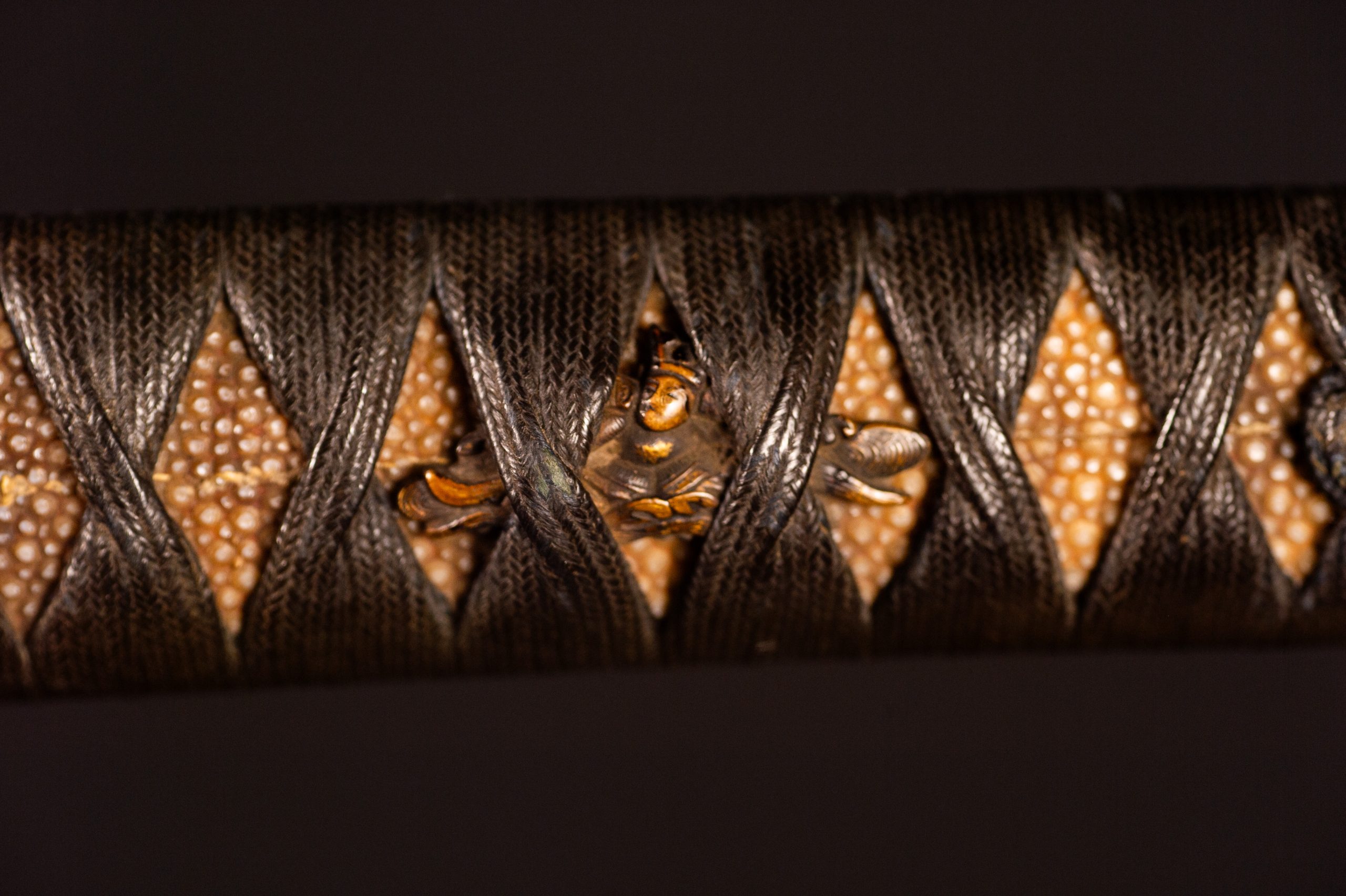
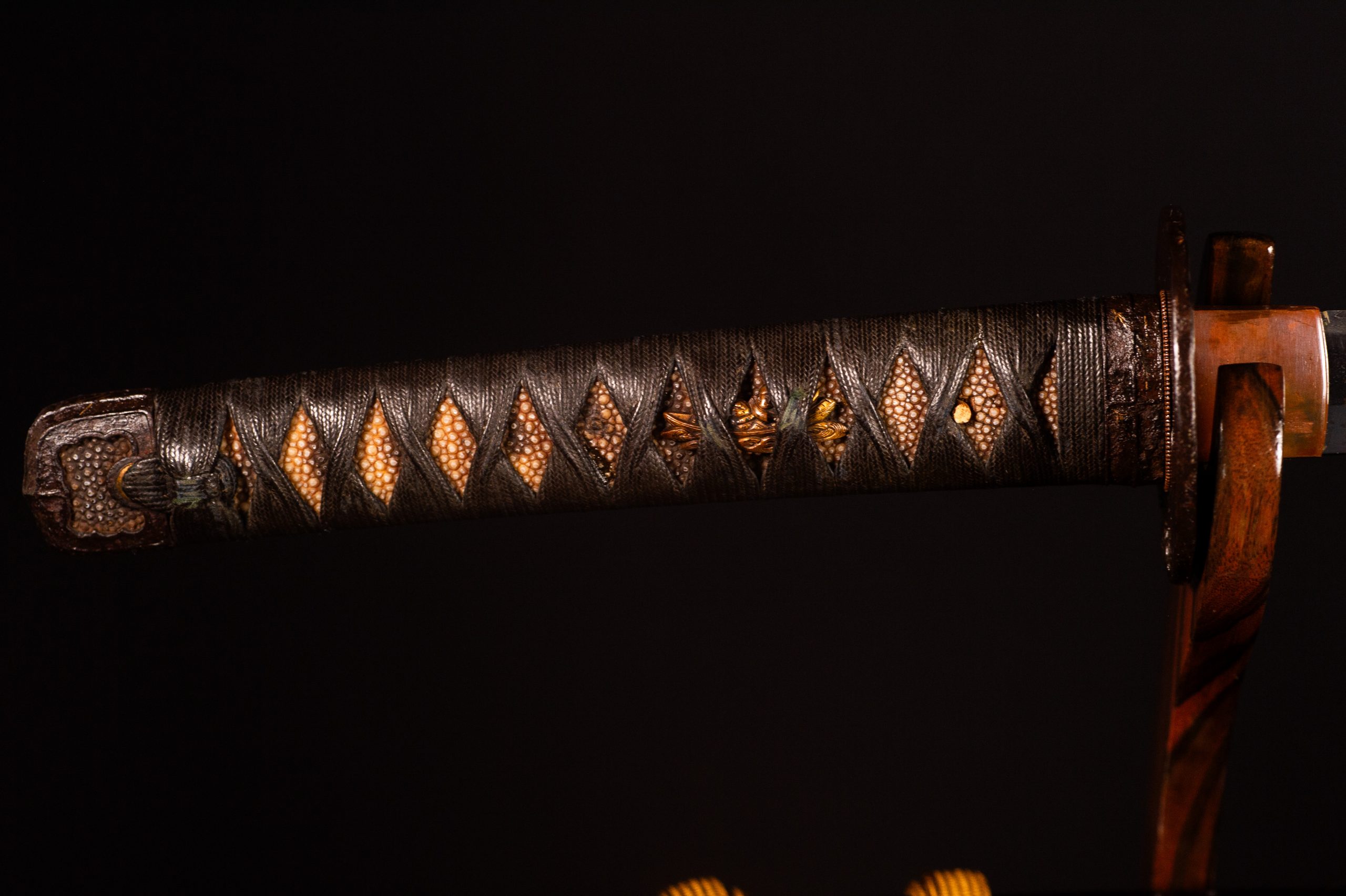
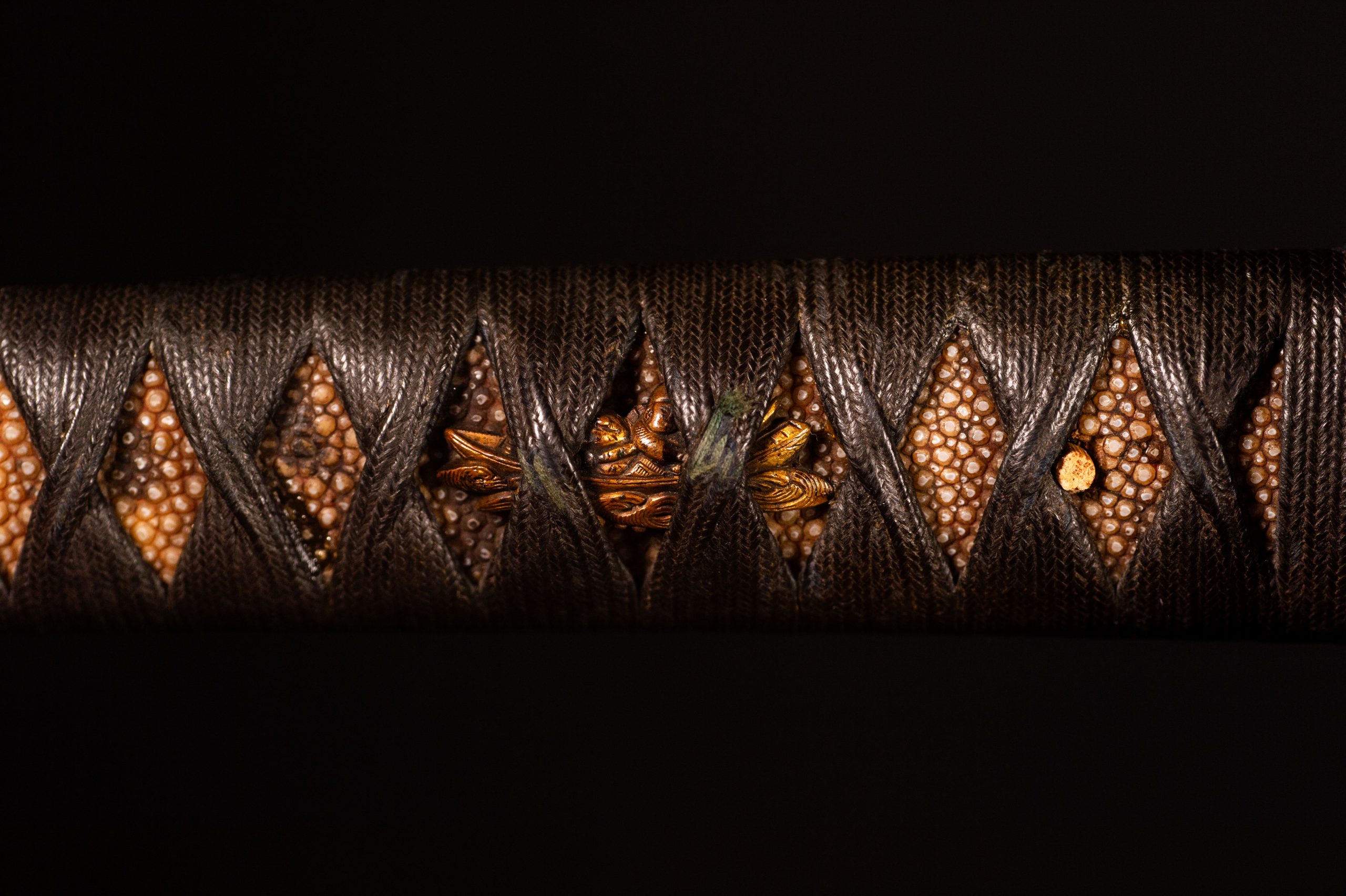
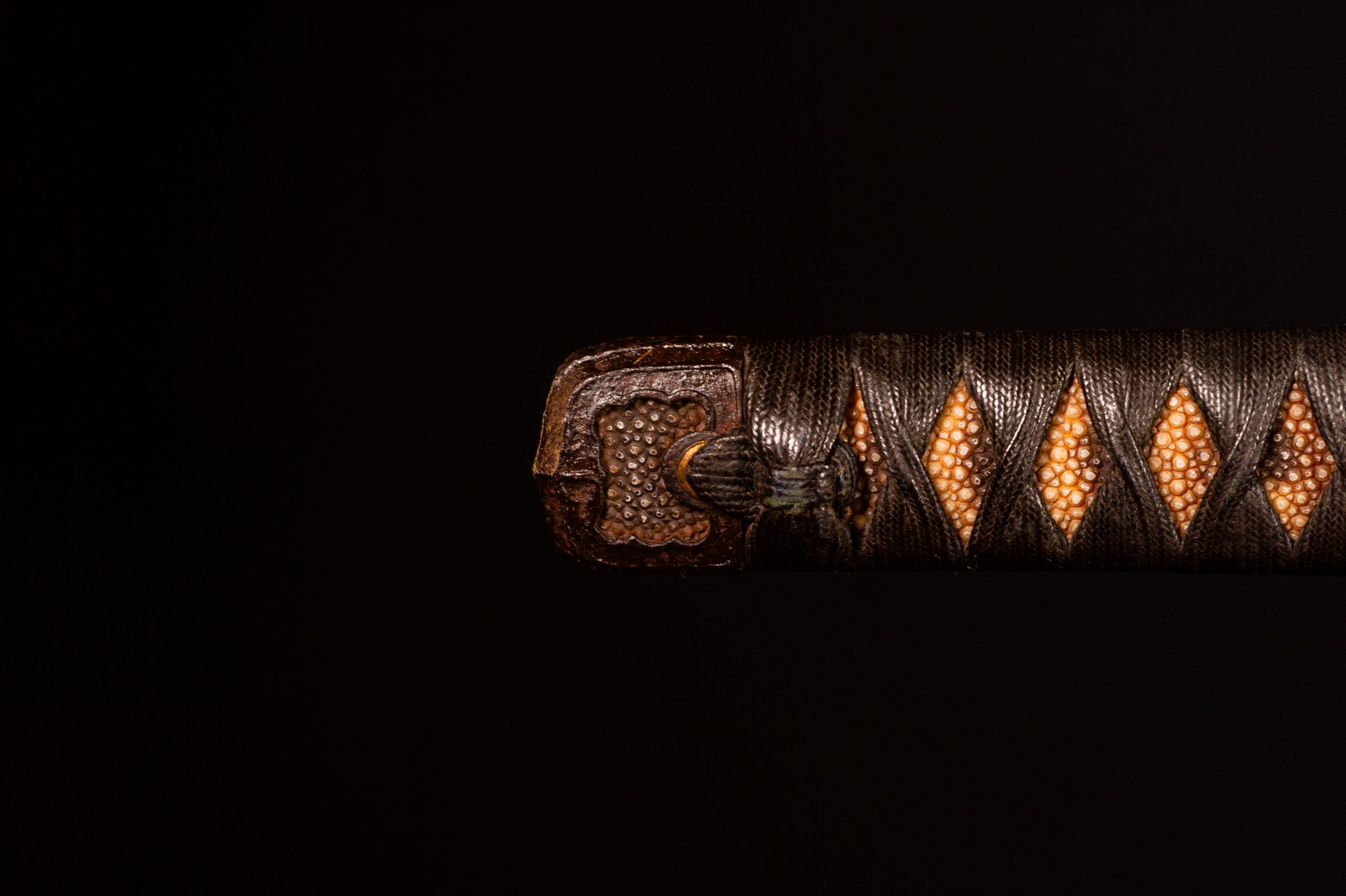
The tsuka is mounted with light samegawa and dark tsuka-ito, creating a clean and well-balanced lozenge pattern. The gilt menuki add visual richness and refinement to the mounting, and their figural modelling suits the decorative level of the koshirae very well. The kabutogane, fully consistent with the handachi idiom, reinforces the formal identity of the mounting and gives it a more aristocratic finish than an ordinary katana koshirae.
The iron tsuba, of rounded outline, features decoration of considerable interest and quality handwork executed with restraint.
Taken as a whole, this sword stands out for three very clear reasons: a convincing sugata, a sober suguha hamon, and a handachi koshirae of notable aesthetic coherence. It is an Edo-period katana that works extremely well as a complete piece, both for its decorative appeal and for its formal seriousness within the field of Japanese arms collecting.
Technical summary
Type: Katana
Period: Edo period
Construction: Shinogi-zukuri
Mune: Iori-mune
Hamon: Suguha
Recorded length: 弐尺弐寸弐分 (approx. 67.3 cm)
Recorded sori: 壱寸参分 (approx. 3.9 cm)
Mekugi-ana: 壱個
Mounting: Handachi koshirae
Saya: Black lacquer
Tsuka: Light samegawa with dark tsuka-ito
Menuki: Gilt, figural
Tsuba: Iron with gilt vegetal decoration and figural scene
Registration: 新潟縣第7201号
Torokusho date: Shōwa 29, March 10


