Description
About US:
Our photographs are taken without retouching or photoshop to ensure that the customer can judge the reality of the object. Thanks to a constant work directly with the best collectors, museums and galleries in Japan and friendship with them, along with a profit margin much lower than the European competition we can offer objects so that many people can choose to have authentic pieces with hundreds of years at more than competitive prices. After all, samurai art is our passion and we want to share it with the world.
About The armor:
It Comes with certificate of SupeinNihonto.
ITEM:
Japanese Samurai Armor, late Edo period, 19th century
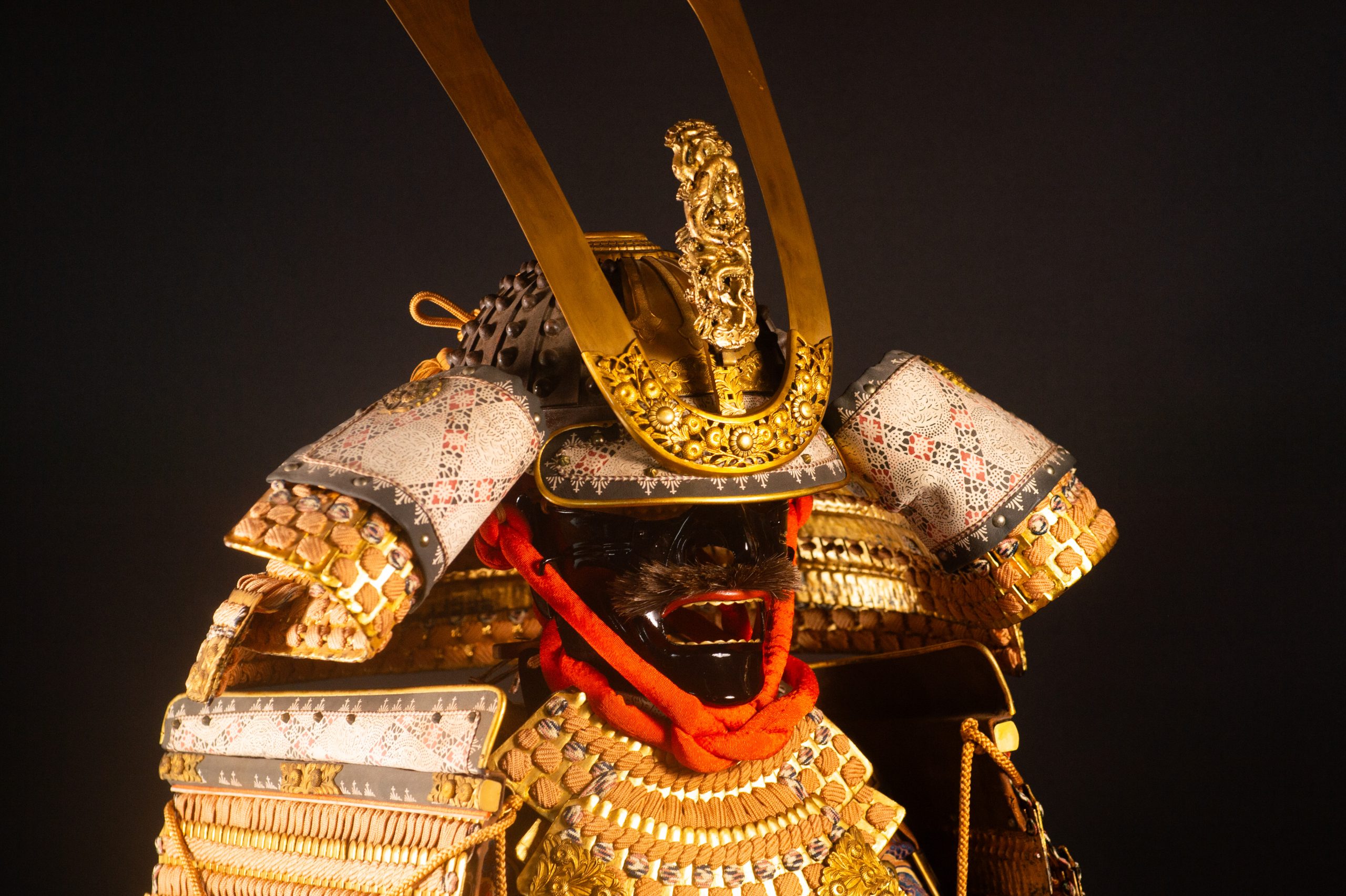
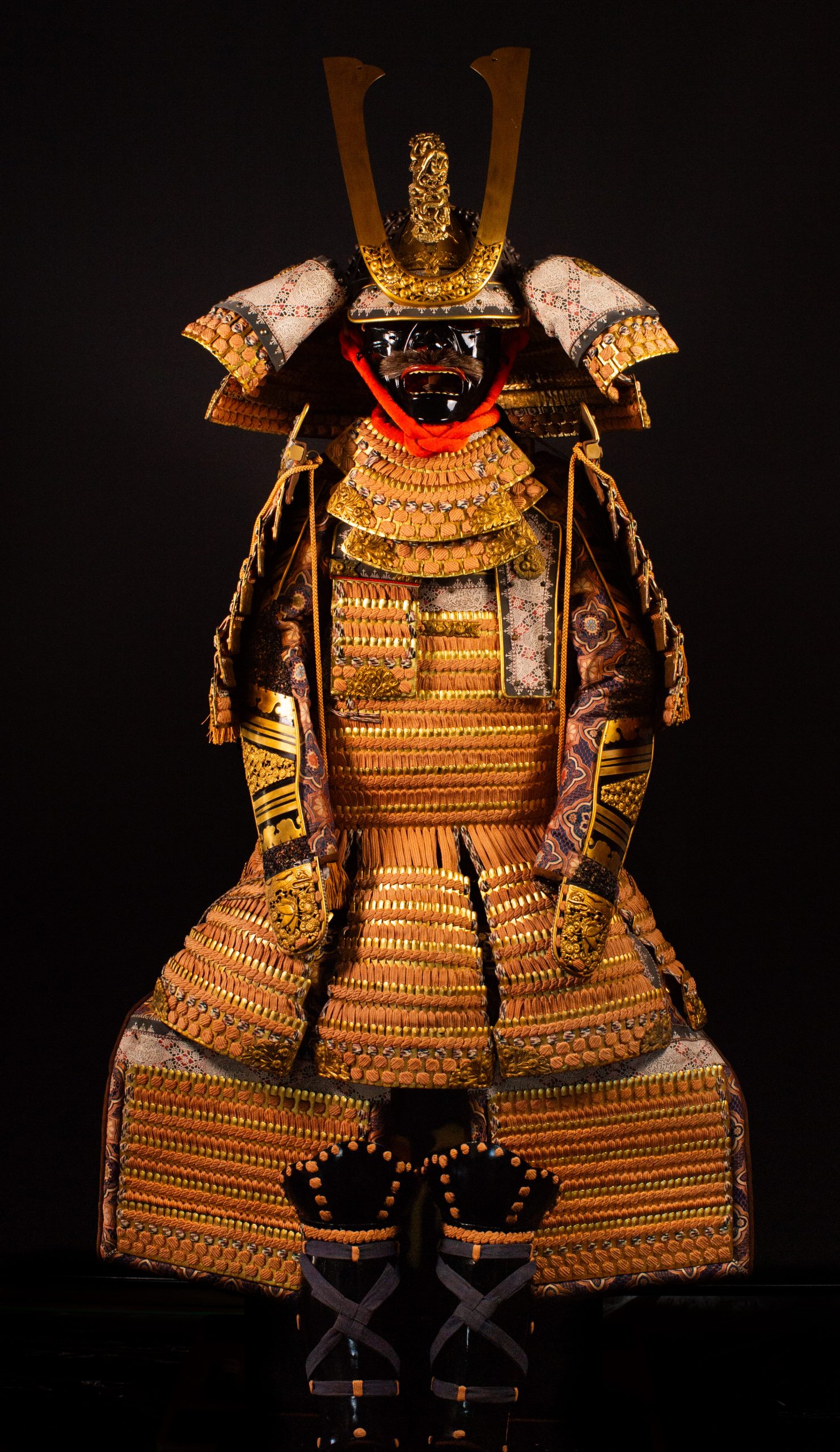
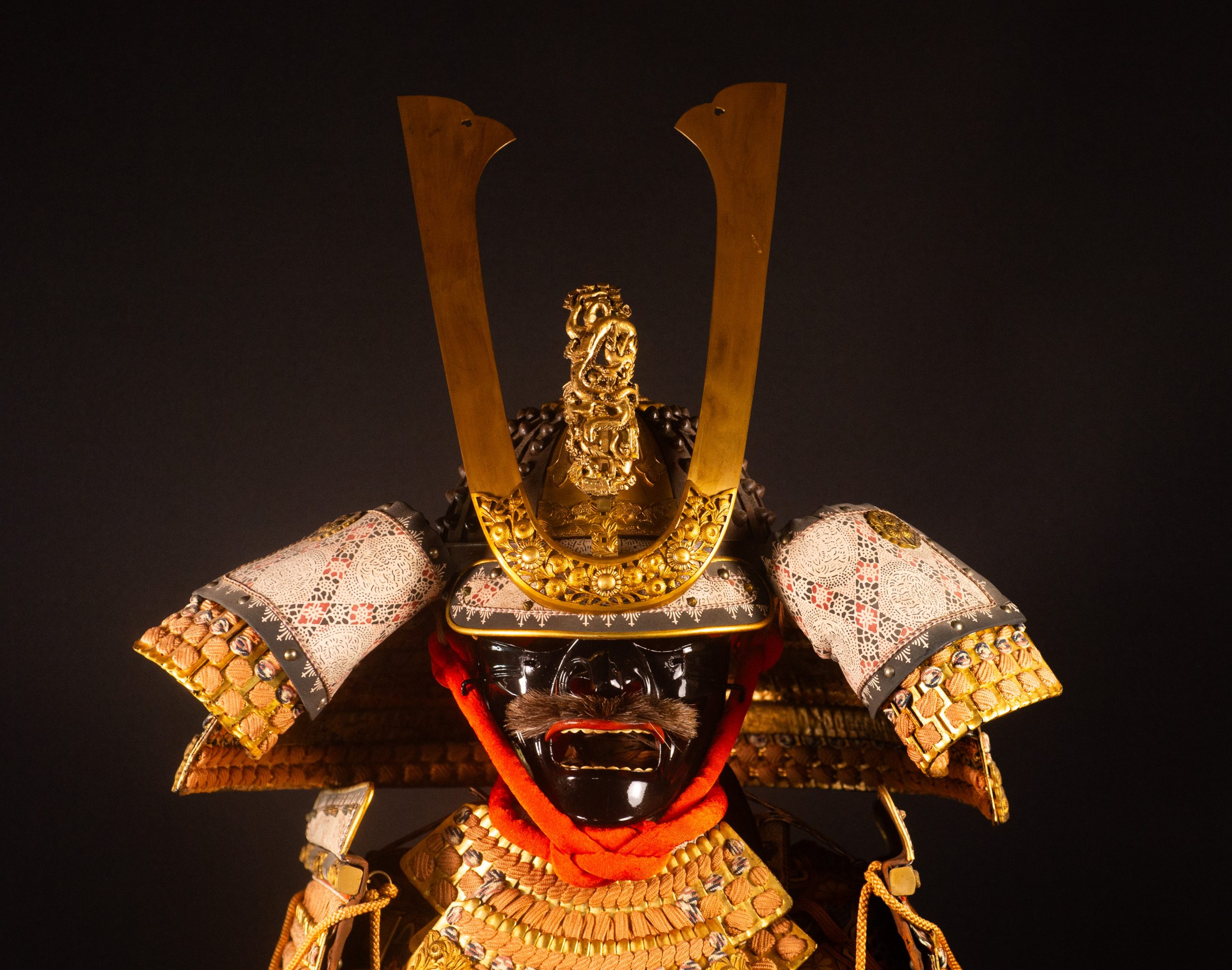
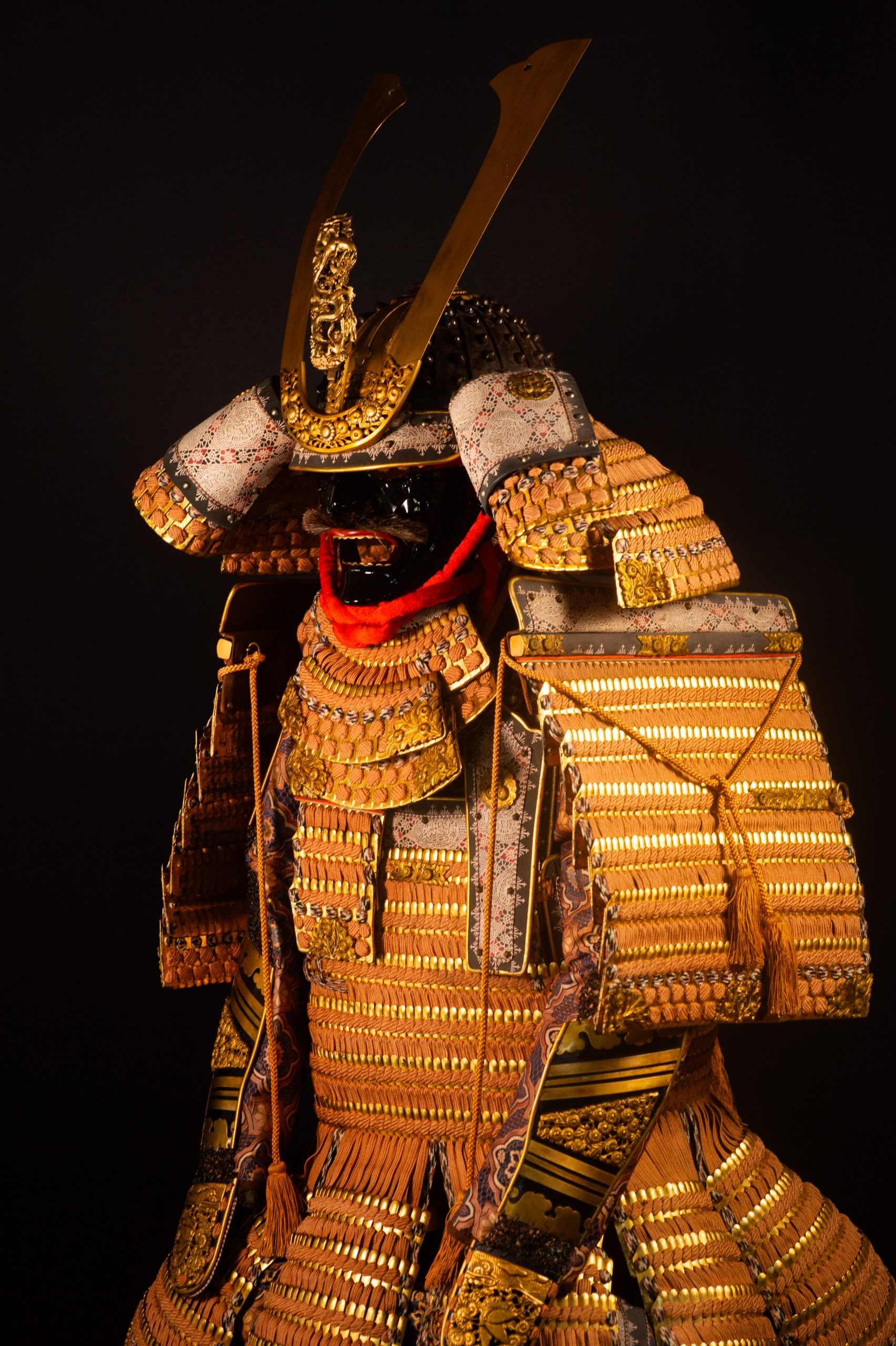
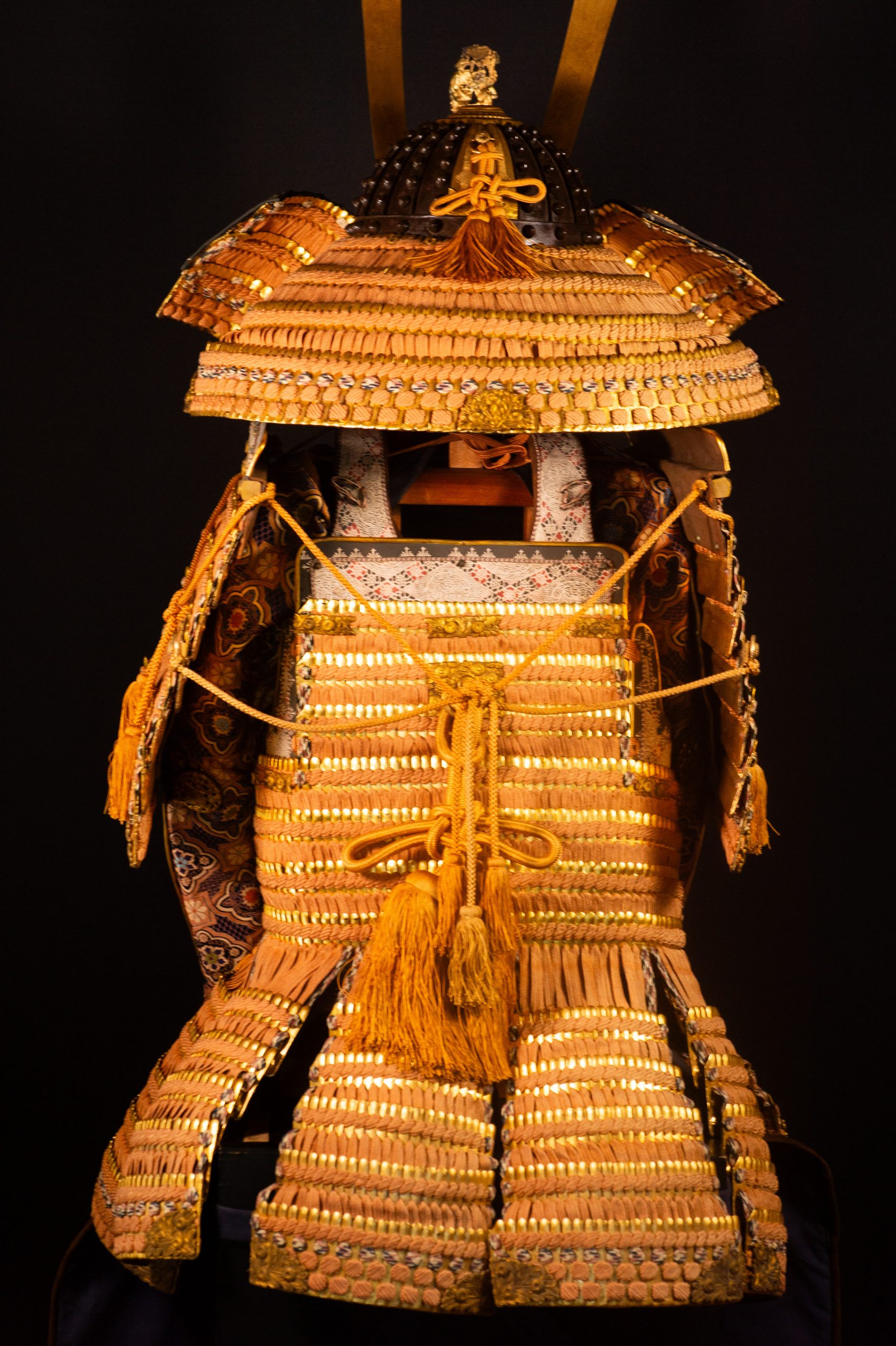
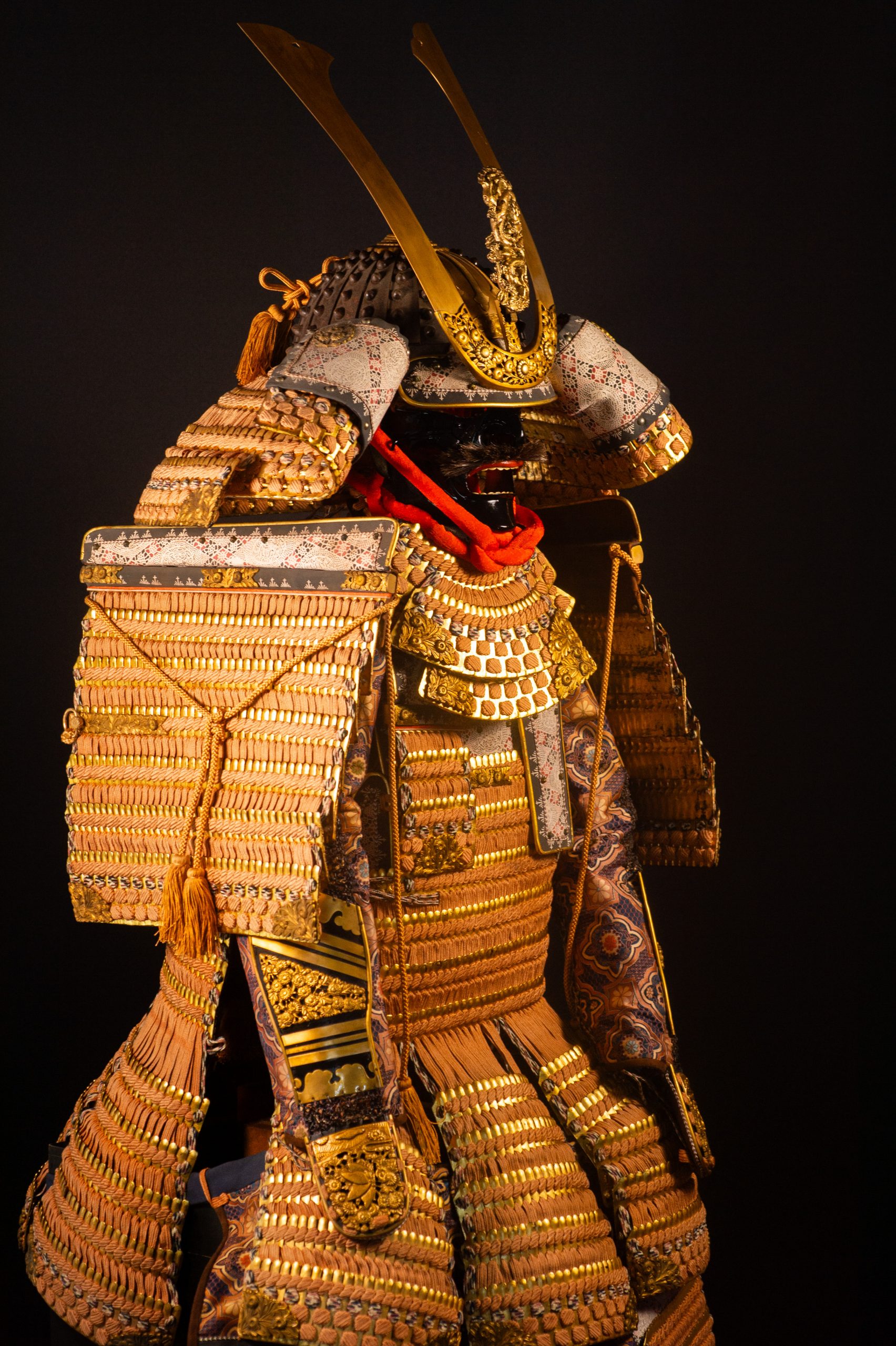
This Japanese armor yoroi is a striking ceremonial ensemble that clearly reflects the refined and highly decorative taste of the late Edo period. The composition is built around a powerful visual balance of black lacquer, abundant gilt ornament, and richly unified warm orange lacing throughout. The result is a yoroi of distinctly aristocratic presence, conceived not merely as armor, but as a visual statement of rank, sophistication, and authority.
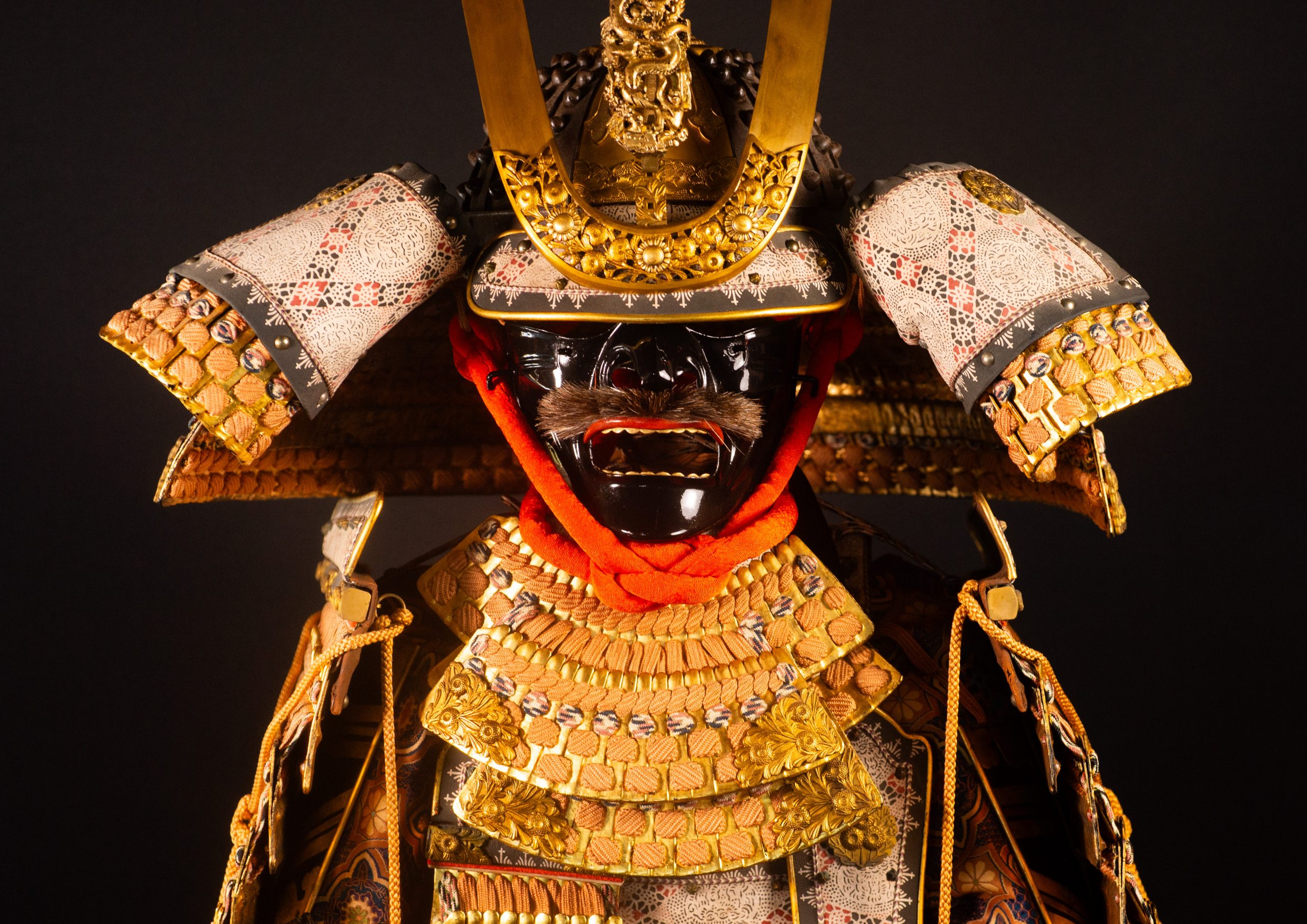
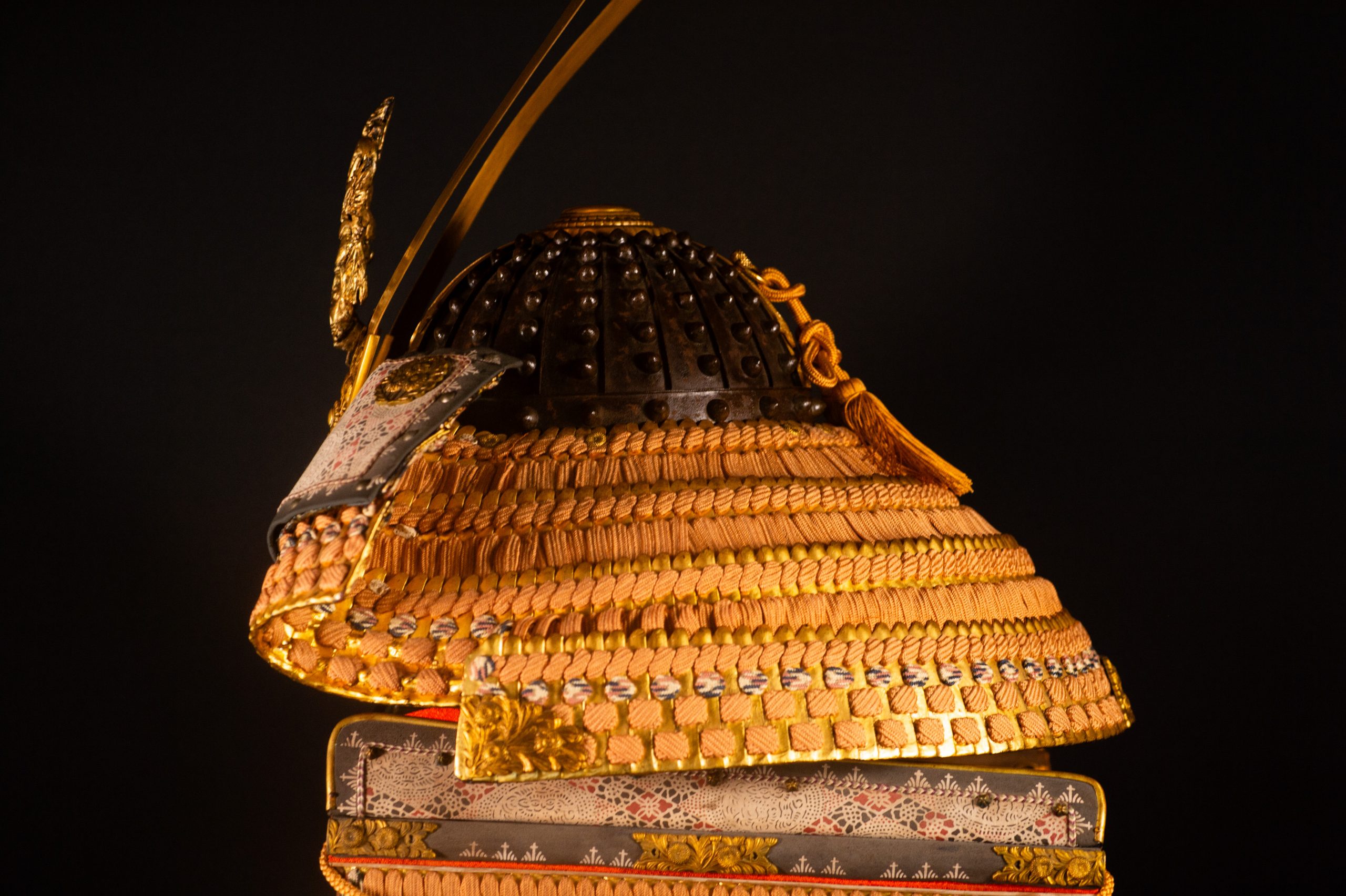
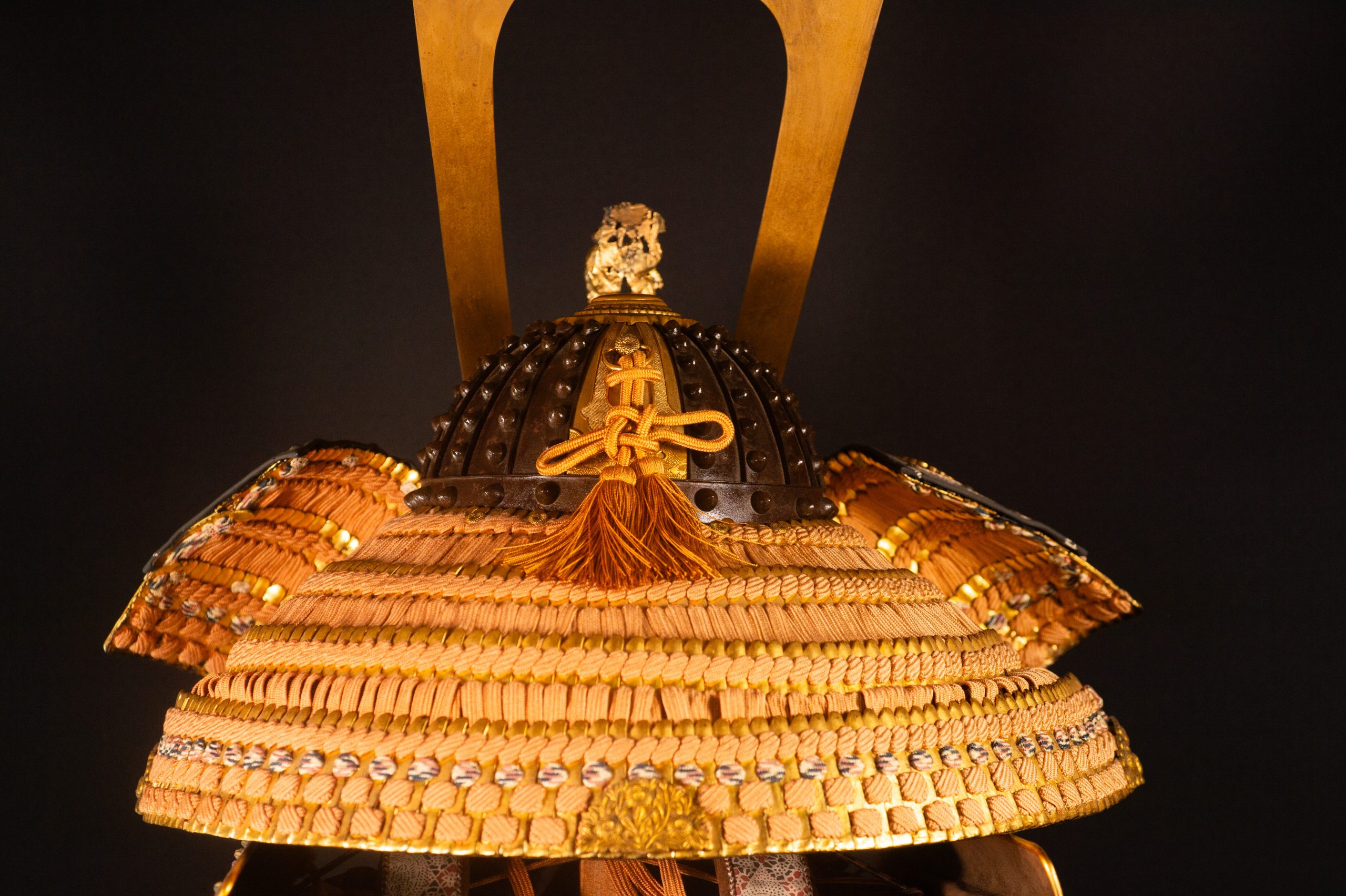
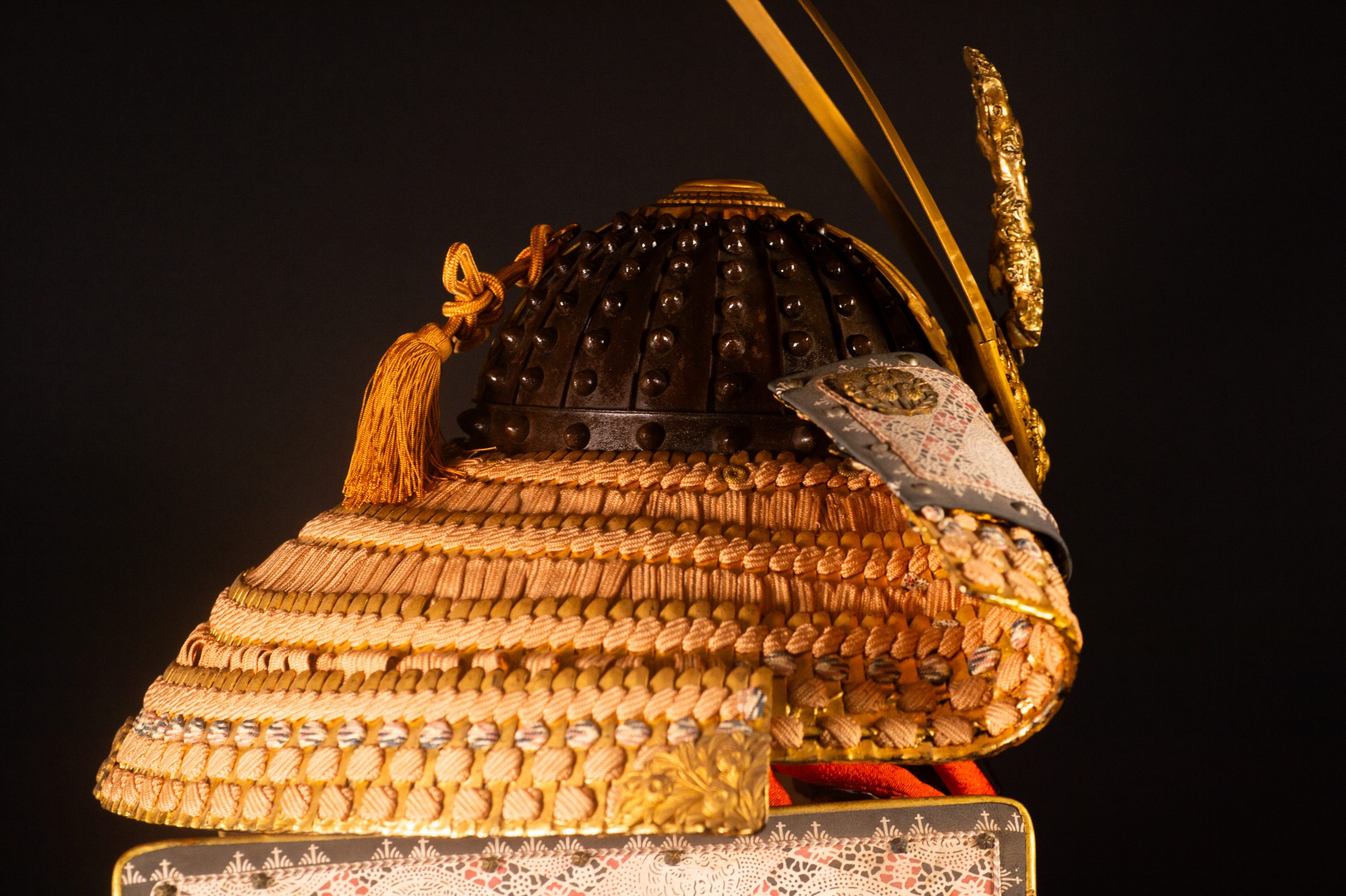
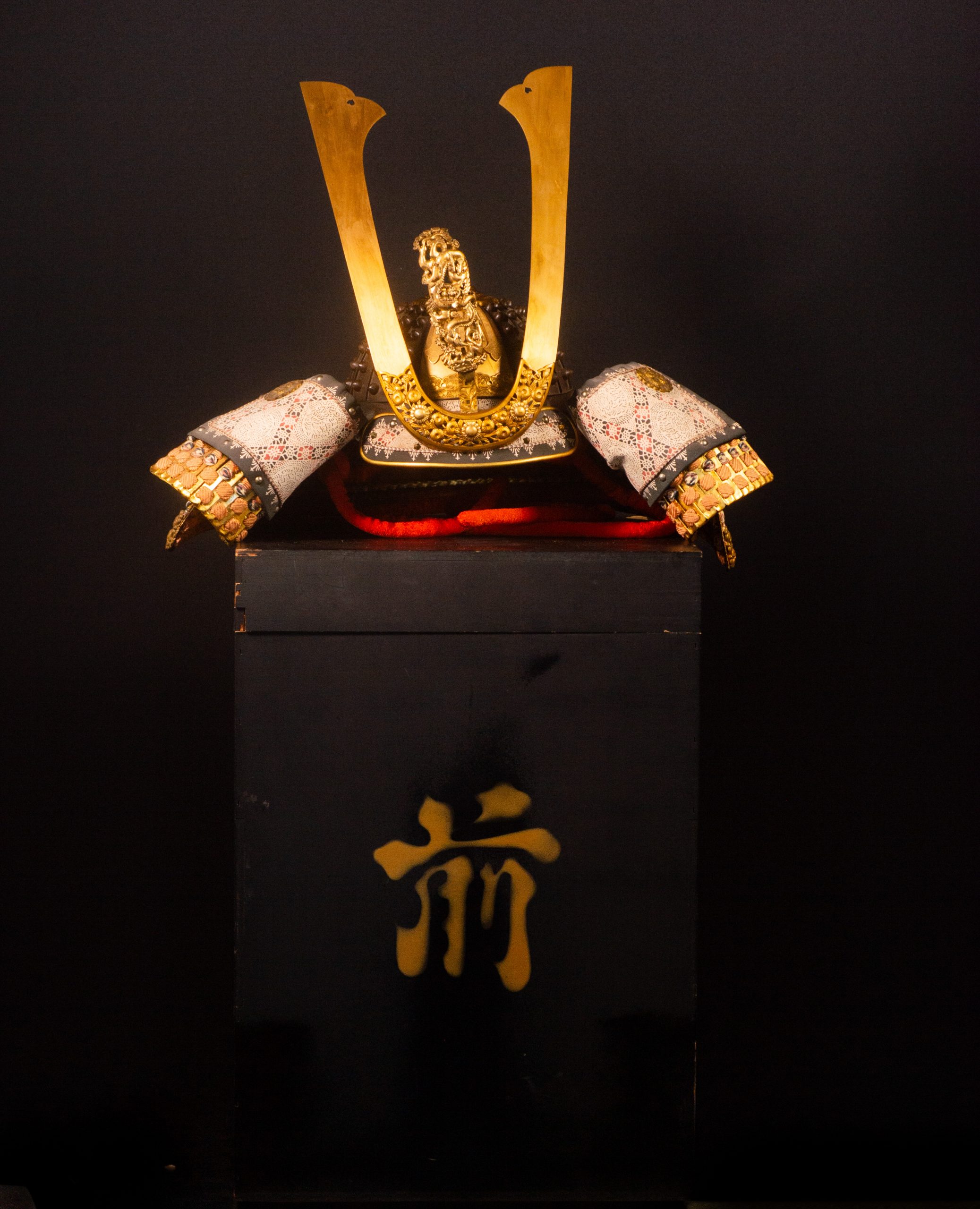
The kabuto is one of the most commanding elements of the set. It is a suji bachi helmet with prominent standing rivets, giving the bowl a strong and highly sculptural profile. It is crowned by an impressive maedate with tall gilt kuwagata and a central relief ornament, creating an exceptionally dramatic frontal appearance. The large fukigaeshi are covered with an elegant repeating patterned material and finished with gilt metal fittings, adding decorative richness while preserving the coherence of the whole. The broad shikoro continues the same chromatic language through carefully arranged plates and lacing.
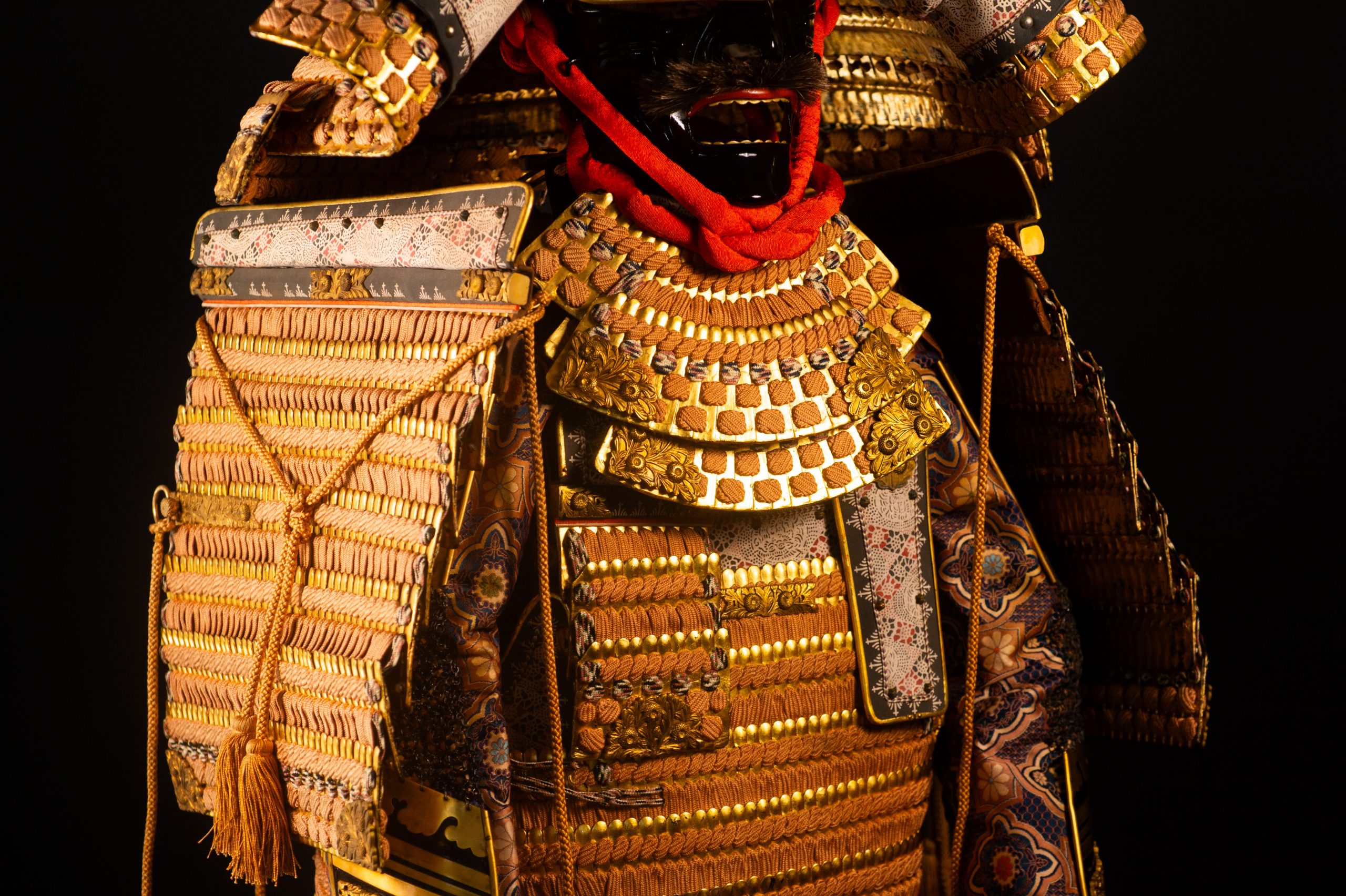
The facial defense consists of a glossy black lacquered menpō with a severe expression, fitted with a natural moustache and accented by a vivid red cord that heightens the chromatic contrast and reinforces the theatrical power of the piece. This frontal section is especially effective: deep black, bright red, and gold combine in a manner that is both noble and unmistakably Japanese in aesthetic sensibility.
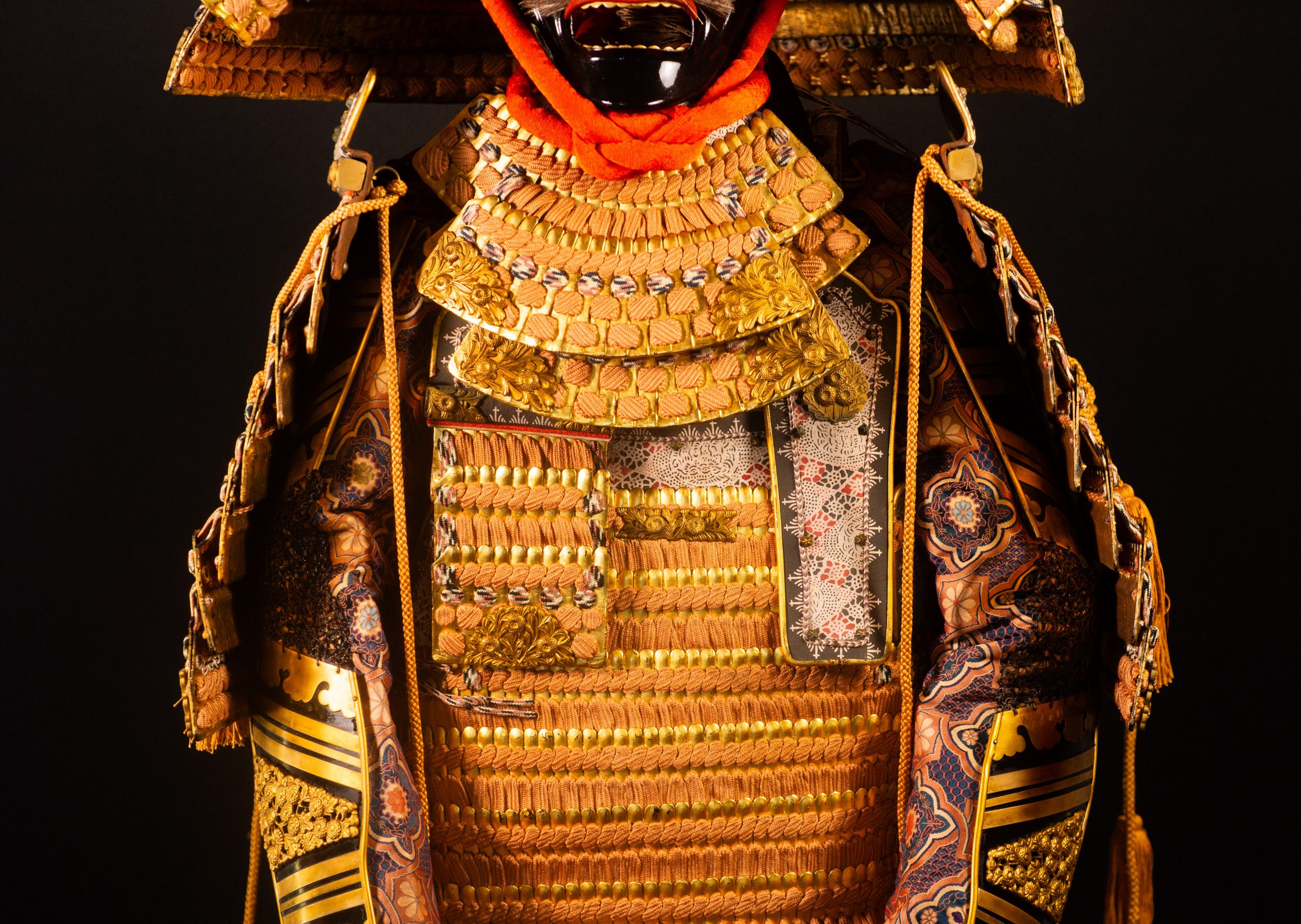
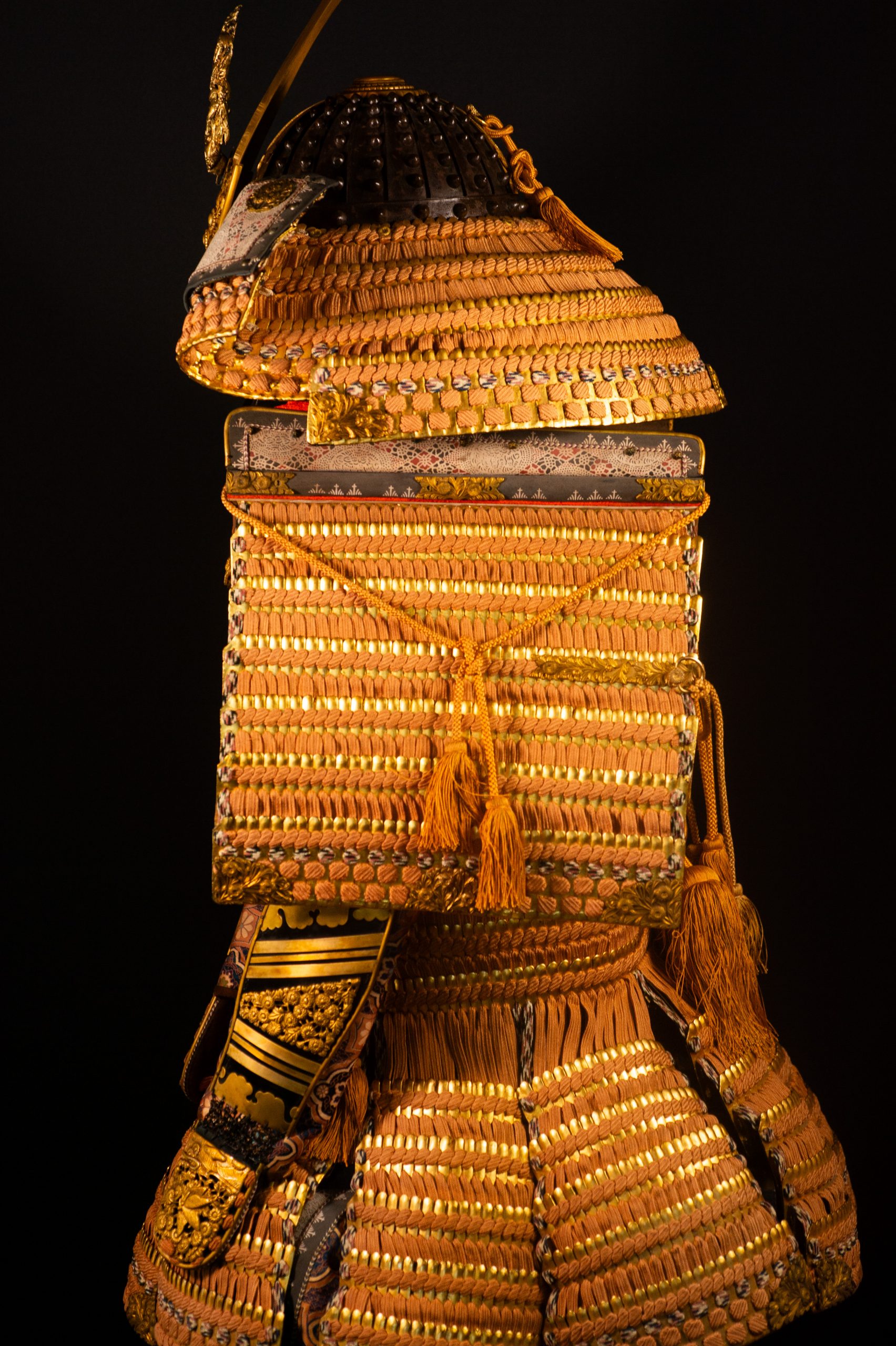
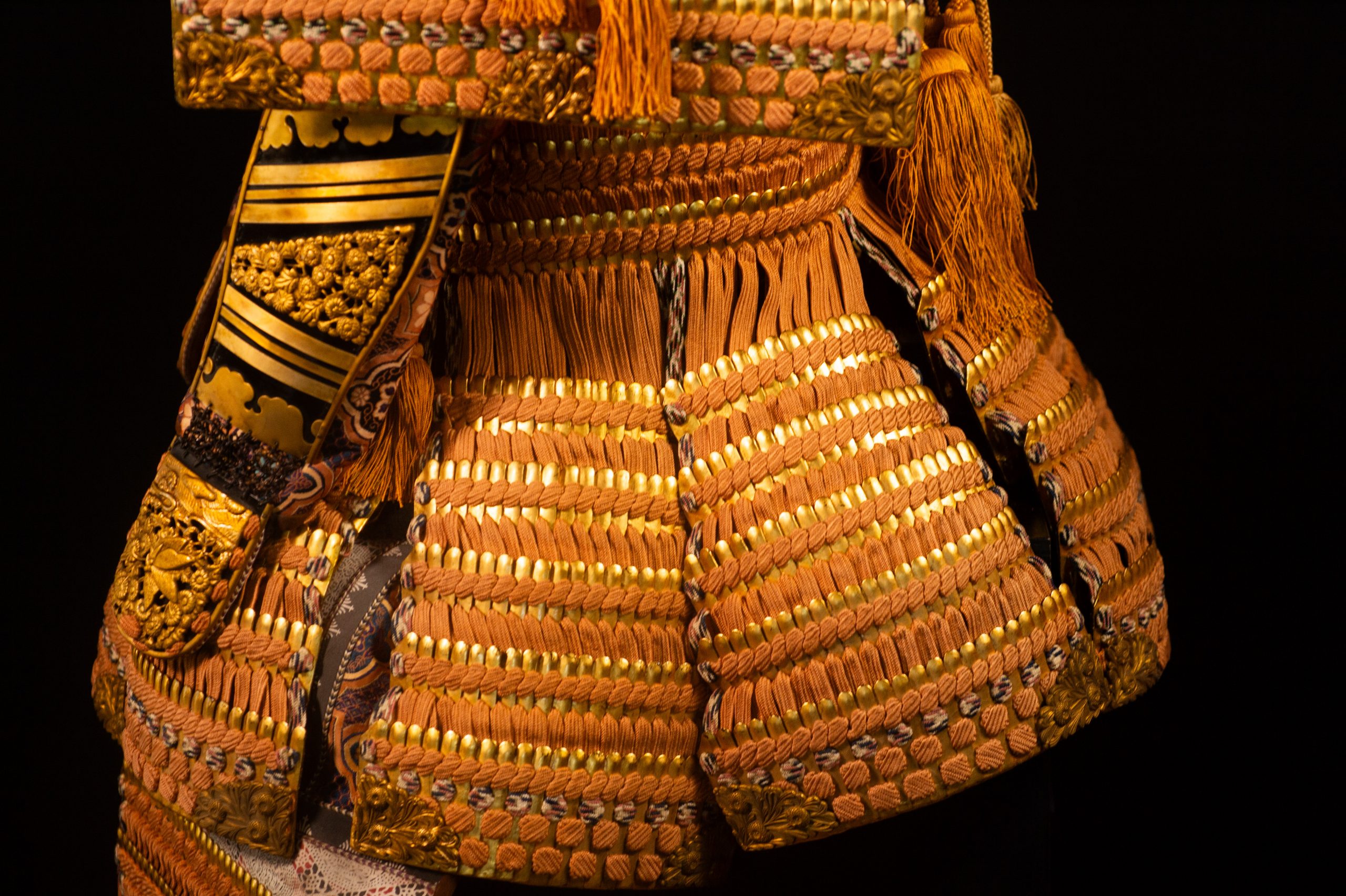
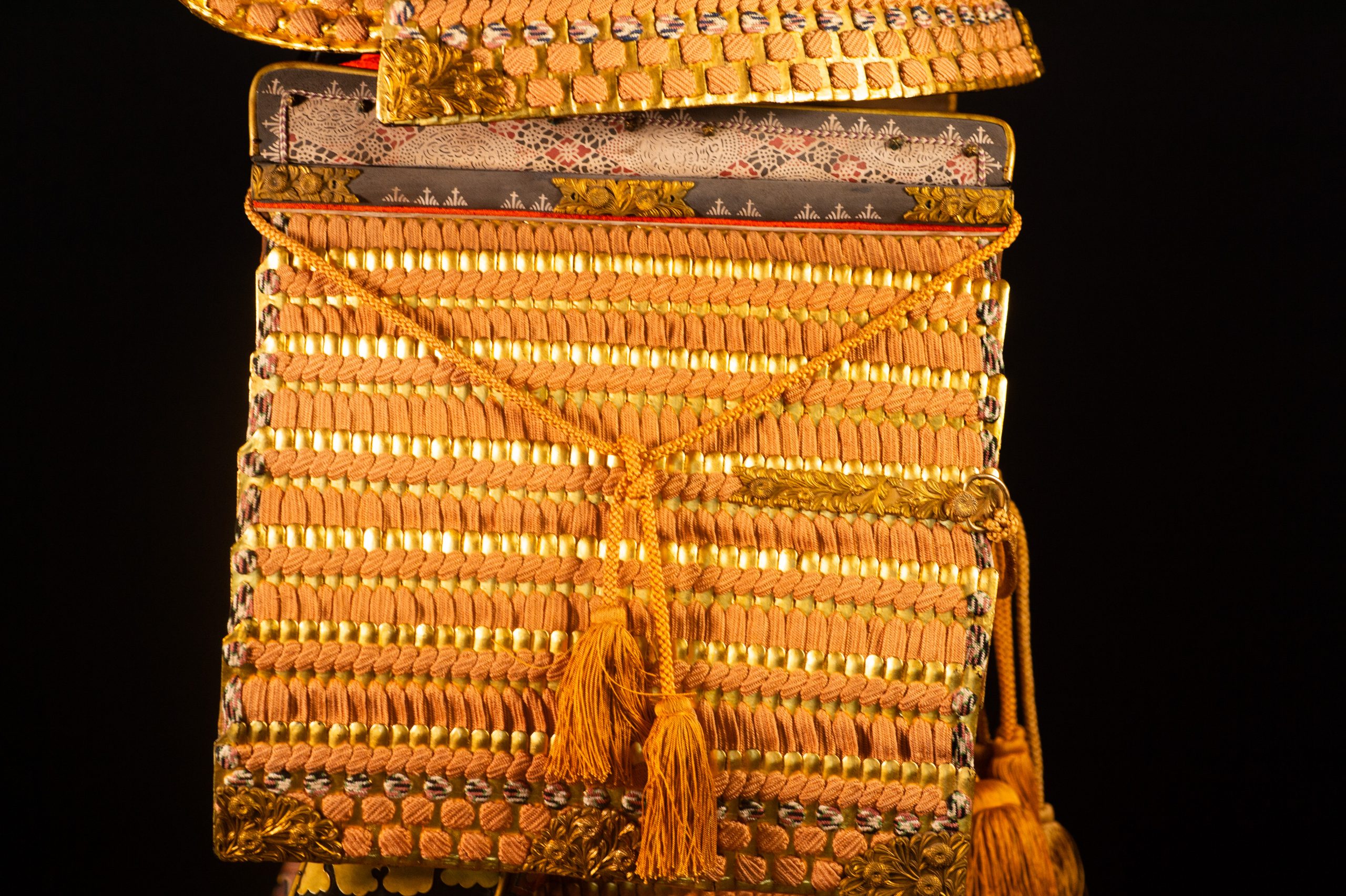
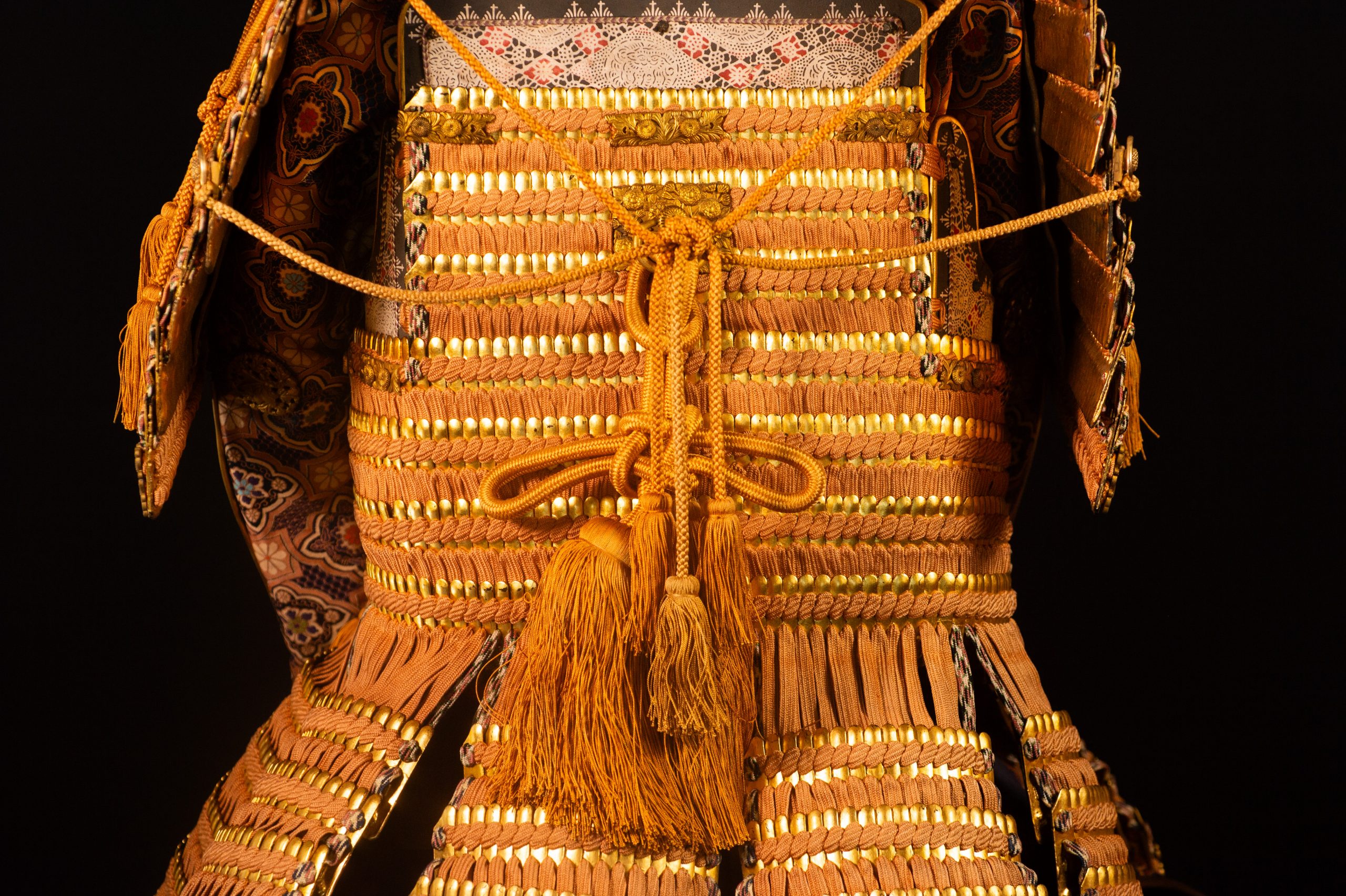
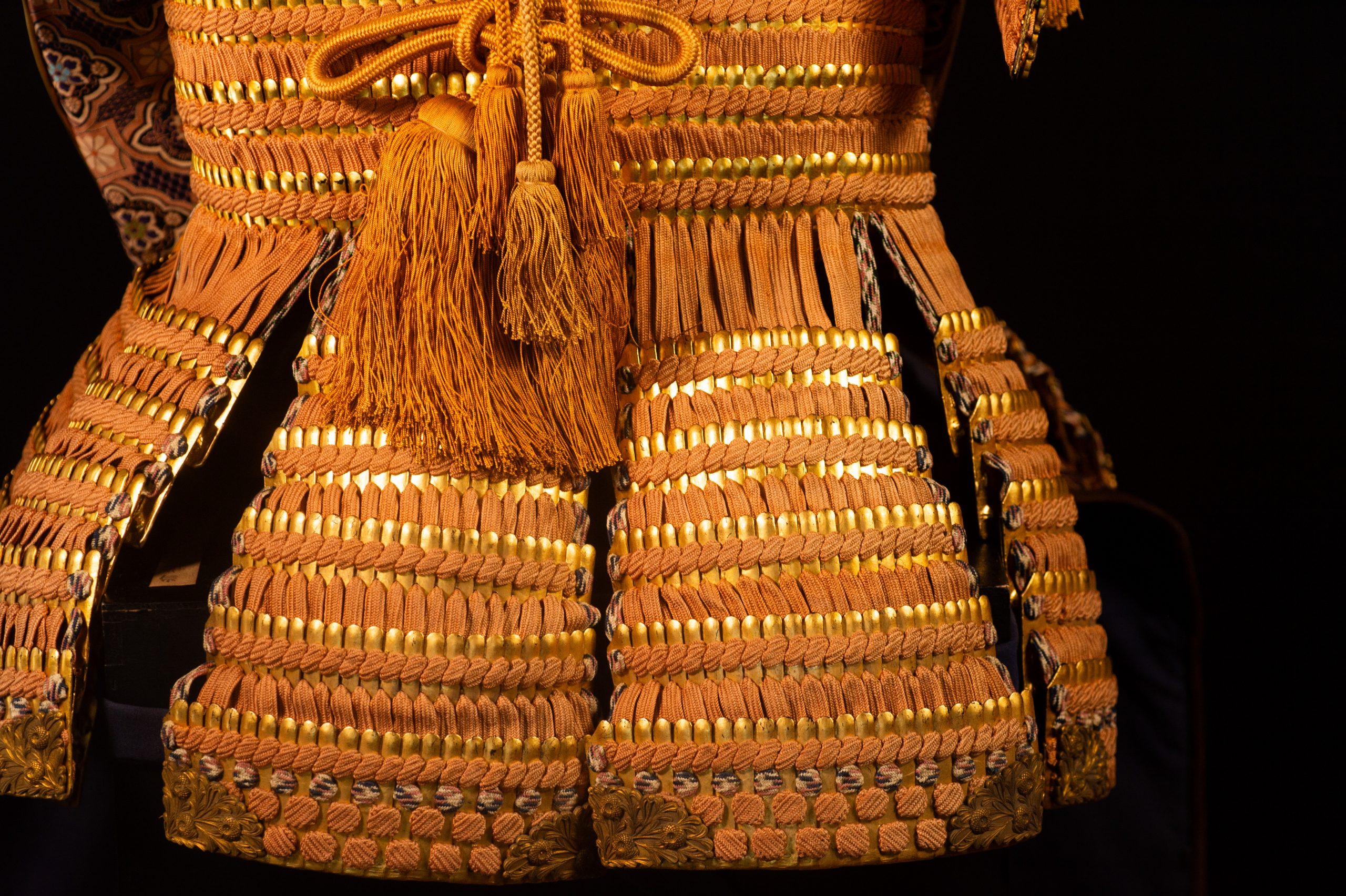
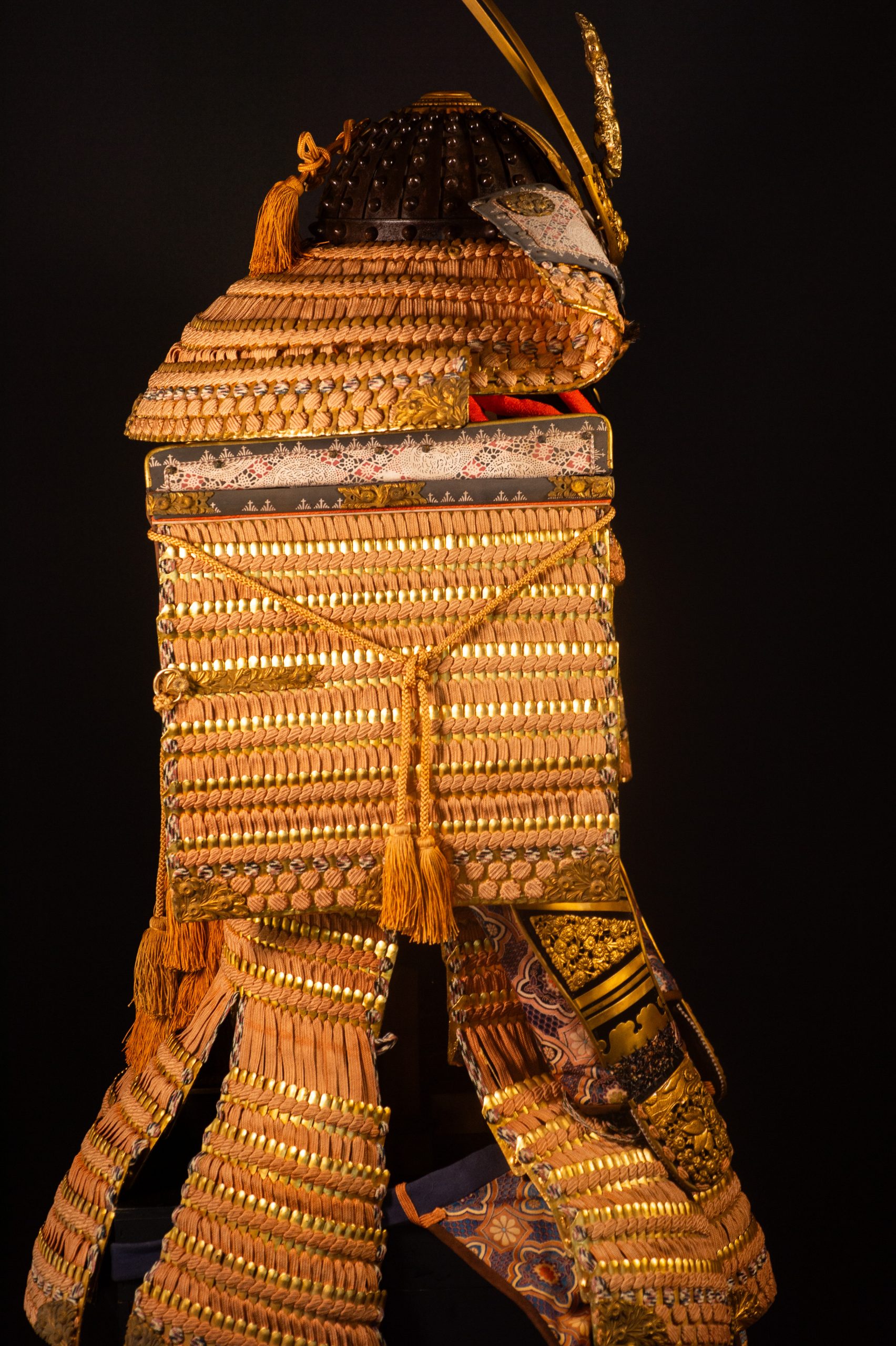
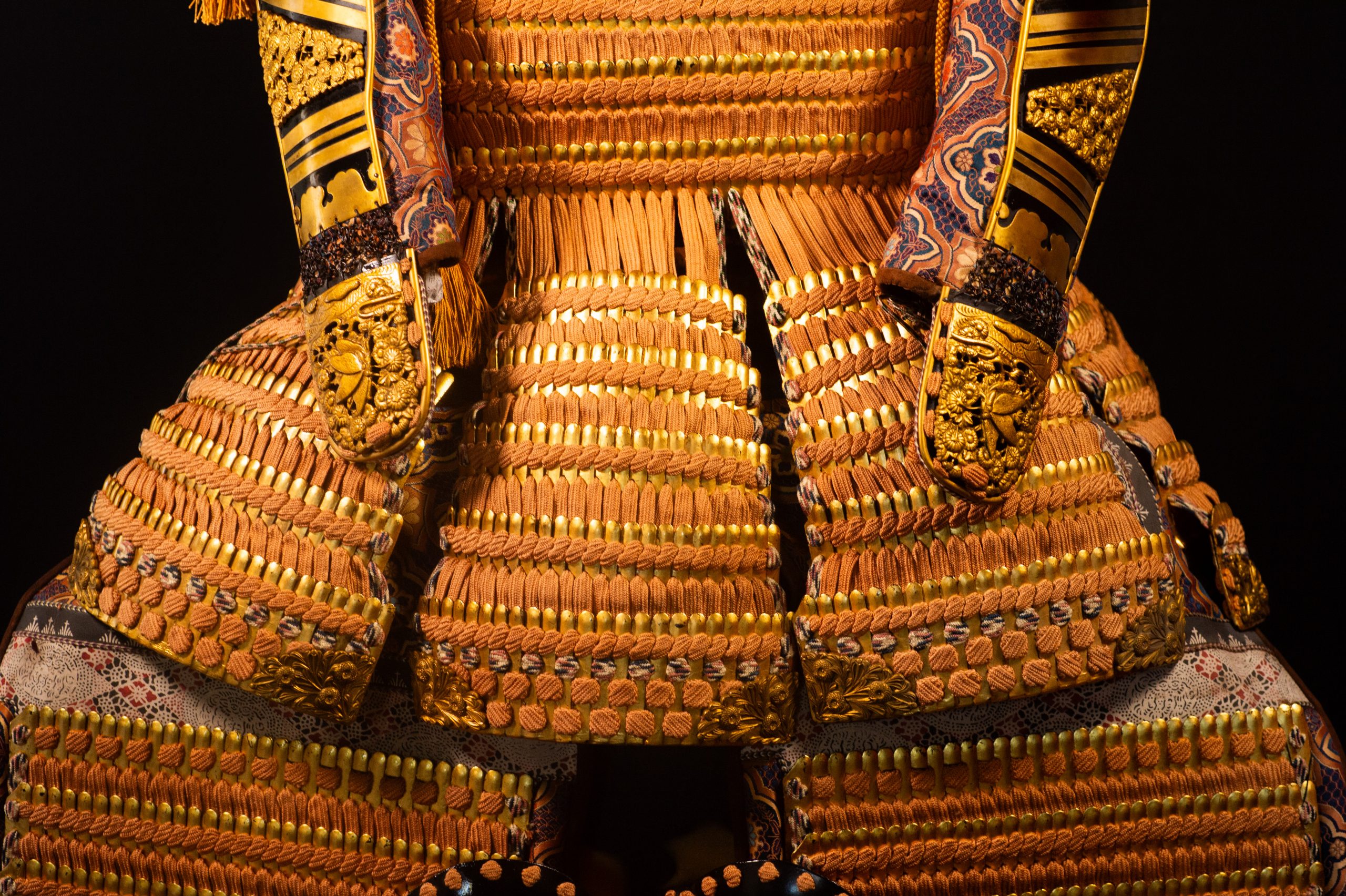
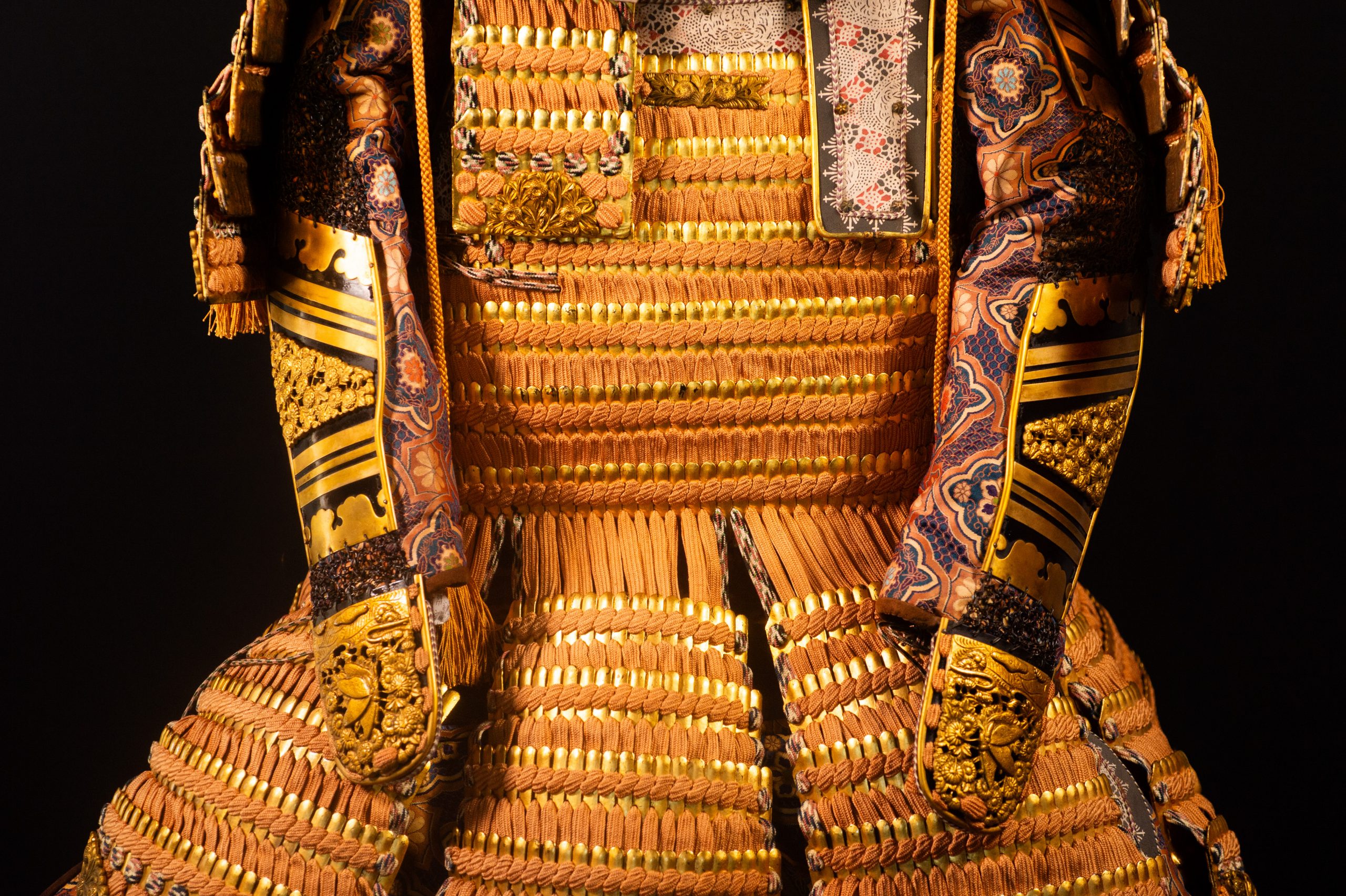
The torso is protected by a lamellar dō with abundant orange lacing and regularly arranged gilt metal elements. The front retains a very rich visual composition, with small lamellar sections, ornamental fittings, and a structure that conveys both solidity and luxury. The kusazuri continue the same rhythmic sequence of lames and lacing, framing the lower section with excellent formal harmony.
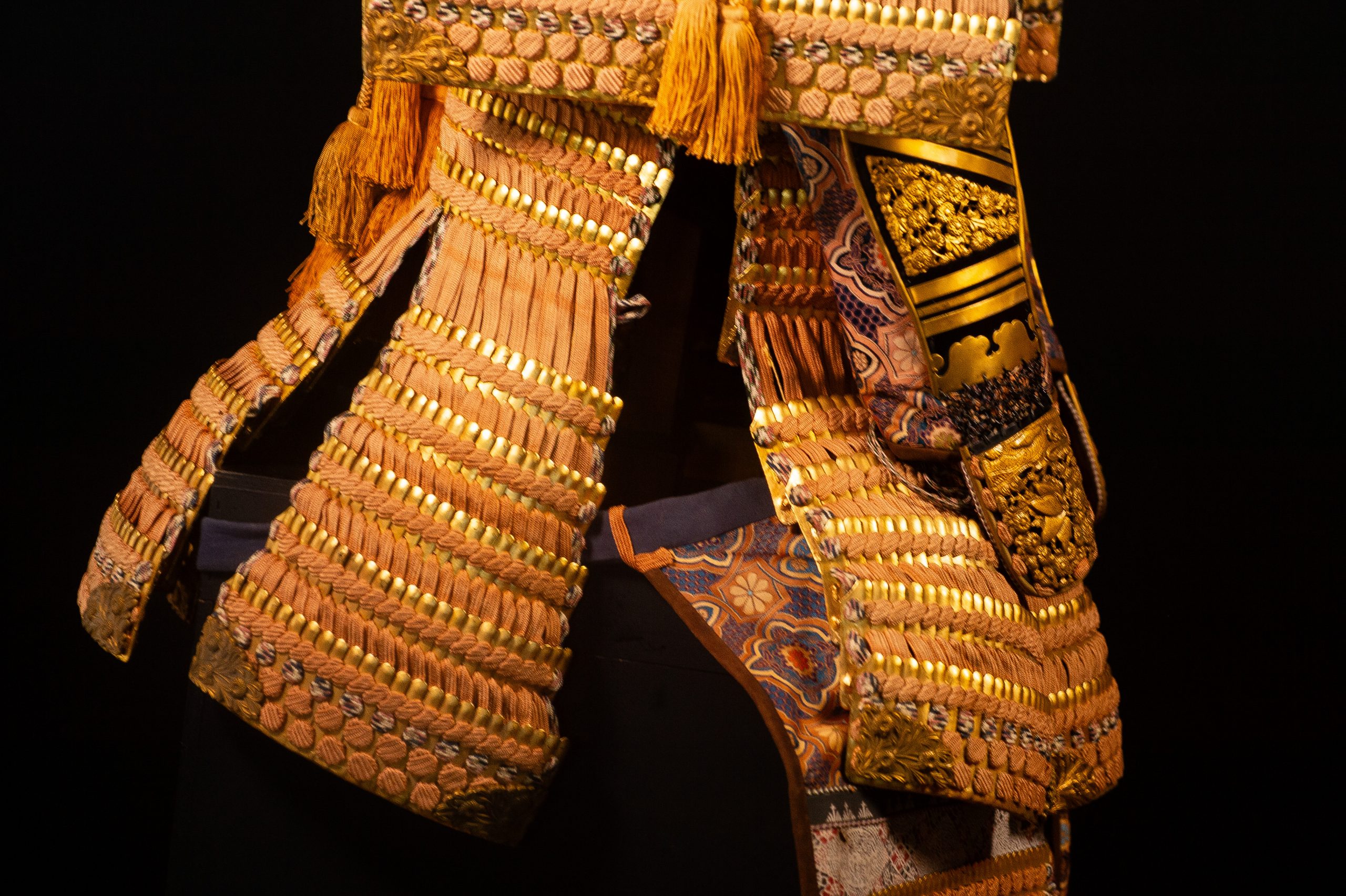
The large sode reinforce the impressive silhouette of the armor and display particularly decorative workmanship. Their broad format contributes strongly to the majestic outline so characteristic of late representative armors. On the arms, the kote combine decorated textile with metal protection and elegant gilt tekko of pronounced ornamental character. The textile sections show an attractive patterned fabric suggestive of luxury material, further enhancing the distinguished nature of the ensemble.
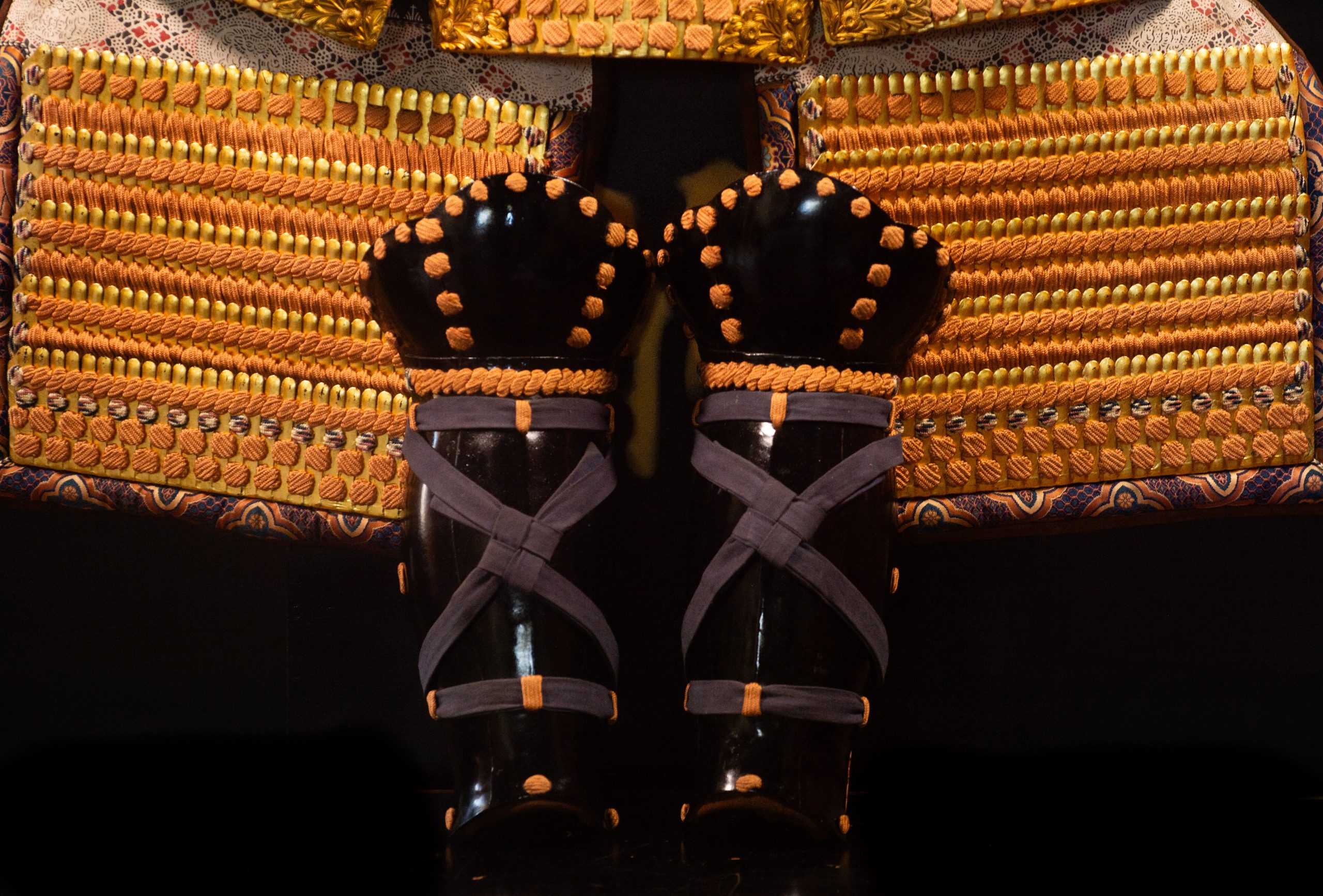
The lower section maintains the same strong visual coherence. The thigh and leg defenses continue the formal language of the rest of the armor, with orange lacing, black lacquered surfaces, and gilt details. The balance between protection, texture, and decorative effect is handled very successfully, which is especially important in armors of this period, when aesthetic presence had become as significant as practical function.
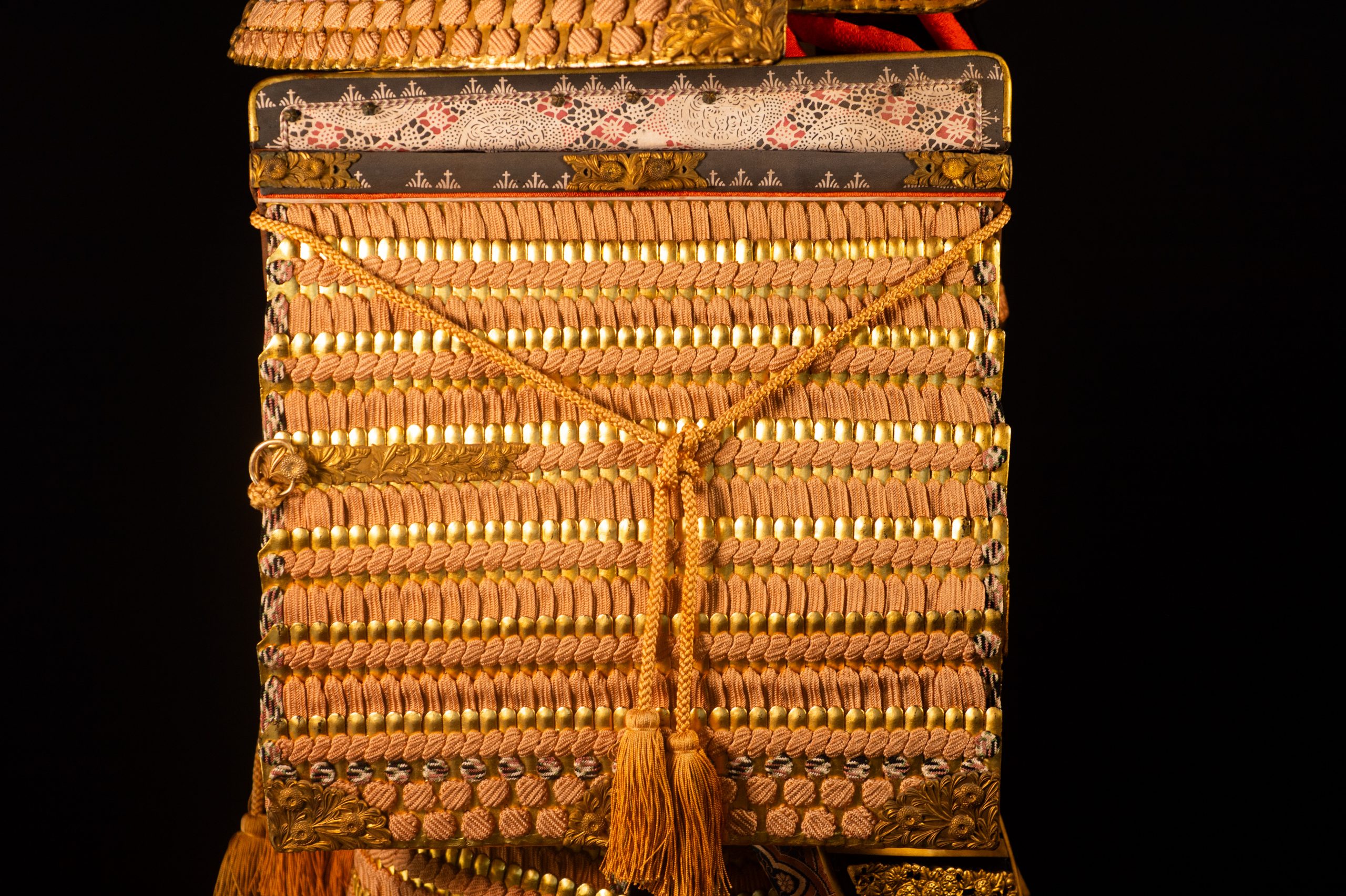
The armor is accompanied by a black lacquer storage box painted on the front with a large gold character, an element that reinforces the completeness and display appeal of the set.
Technical analysis
Japanese tōsei gusoku armor of the late Edo period, comprising a suji bachi kabuto with raised rivets, tall gilt kuwagata, and a central relief ornament. The fukigaeshi are covered in a light-toned repeating patterned material with gilt metal accents. The menpō, finished in glossy black lacquer, retains its natural moustache and is paired with a vivid red cord.
The dō is of lamellar construction with abundant orange odoshi and numerous gilt fittings. The sode are broad and multi-tiered, fully consistent with the highly decorative character of the ensemble. The kote incorporate patterned textile, metal protective sections, and gilt tekko with floral and vegetal relief decoration. The lower defenses preserve the same unified aesthetic through lamellar elements, black lacquer, and matching lacing.
Overall, this is a late armor of strong visual impact, representative of the ornamental taste of the 19th century, in which chromatic richness, presentation quality, and theatrical silhouette played a central role.
Technical sheet
Period: late Edo period
Date: 19th century
Type: tōsei gusoku
Kabuto: suji bachi with prominent standing rivets
Maedate: tall gilt kuwagata with central relief ornament
Menpō: black lacquered, with natural moustache
Sode: large, broad format
Dō: lamellar construction with abundant orange odoshi
Visible materials: iron, leather, silk/lacing, black lacquer, gilt metal fittings, patterned textile
Presentation: includes vintage black lacquer storage box with large gold-painted character (posterior)
An authentic samurai armor that will be the central focus of any room where it is placed and that will delight any fan of Japanese art. This exclusive piece is making it an incredible opportunity for any collector of Japanese, war or simply historical art to get their hands on a piece that will attract attention wherever it is displayed, from offices, to private homes, offices or restaurants and will give a regal look to any place. The armour has gilded details that show the quality of the piece. The incredible workmanship accentuates such ornate pieces as the kabuto, the mempo and the Do. The stand to assemble it and the box are included. This armour is sure to delight any collector of Asian art and will be the focal point of any visitor’s home, shop or office. There is a very ancient object and there are damaged by time and tears. Due to the delicacy of continuous assembly and disassembly, returns are not allowed on old armor.


