
Beschreibung
ITEM DESCRIPTION:
Comes with kimono or cotton bag. Comes with certificate of supein Nihonto. Comes with copy of Tokosusho.
Documentation
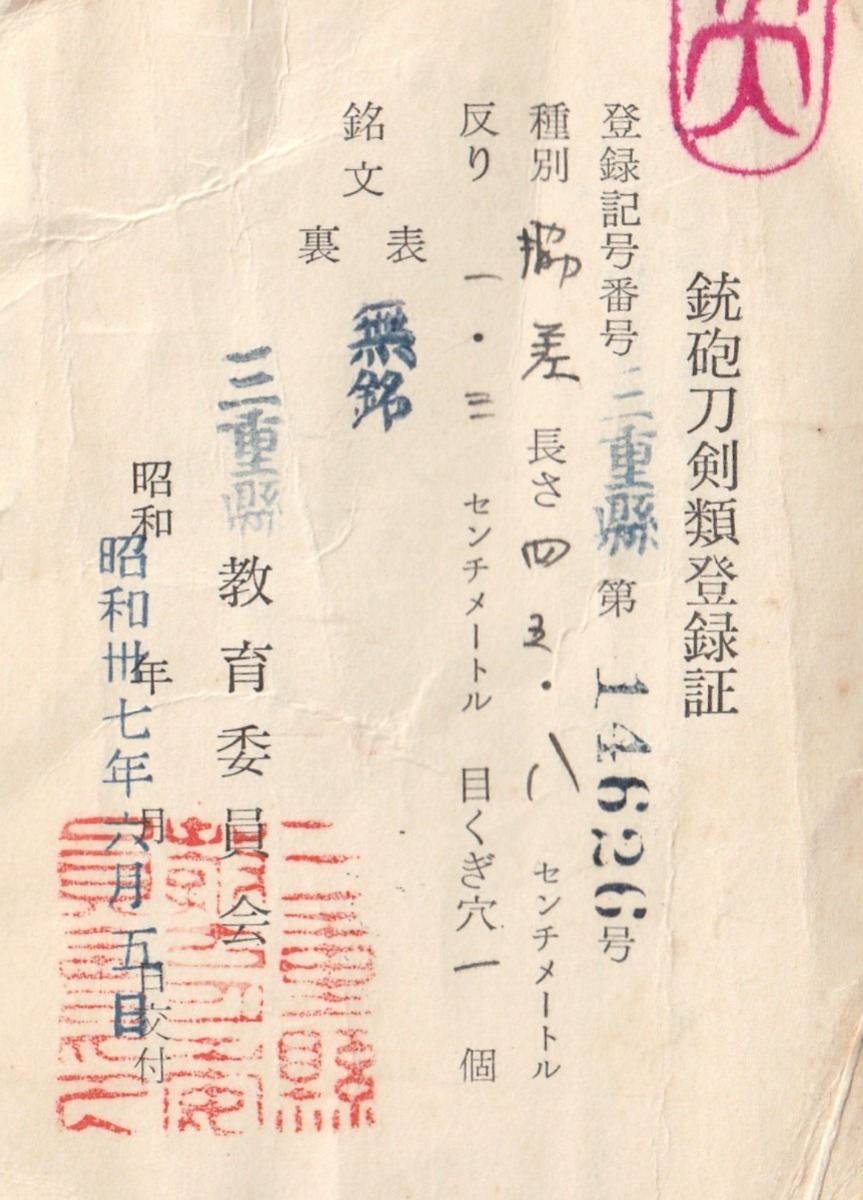
Type: Firearms and Swords Registration Certificate
Prefecture / No.: Mie Prefecture No. 14626
Classification: Wakizashi
Nagasa: 43.8 cm
Sori: 1.3 cm
Signature: Mumei (unsigned)
Mekugi-ana: 1
Registration date: February 5, 1972 (Shōwa 47)
Smith, school and context
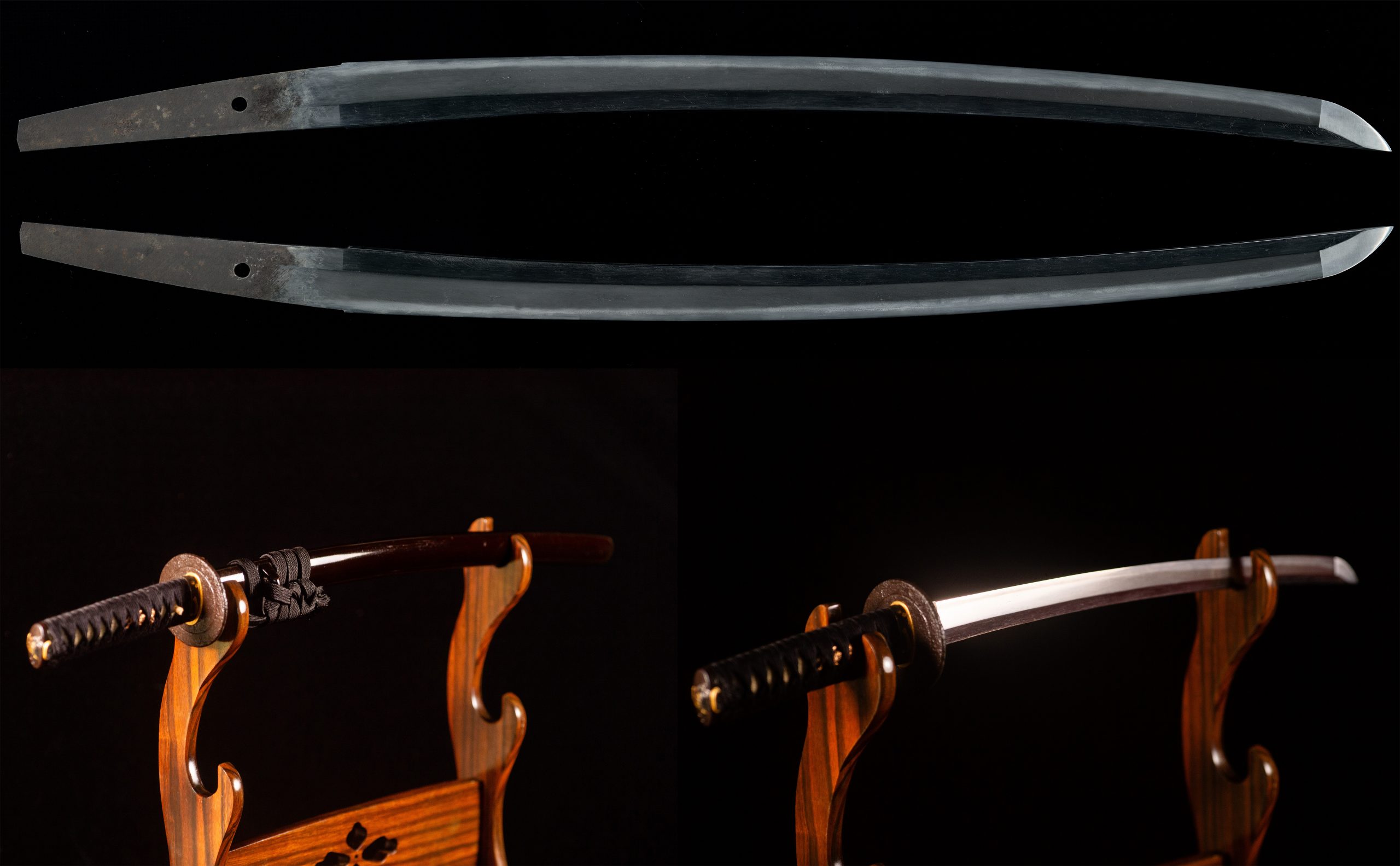
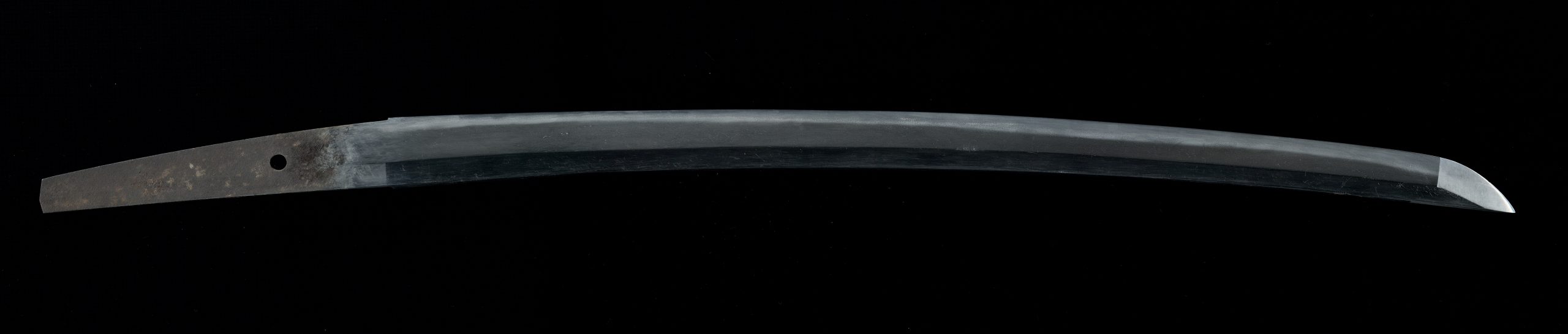
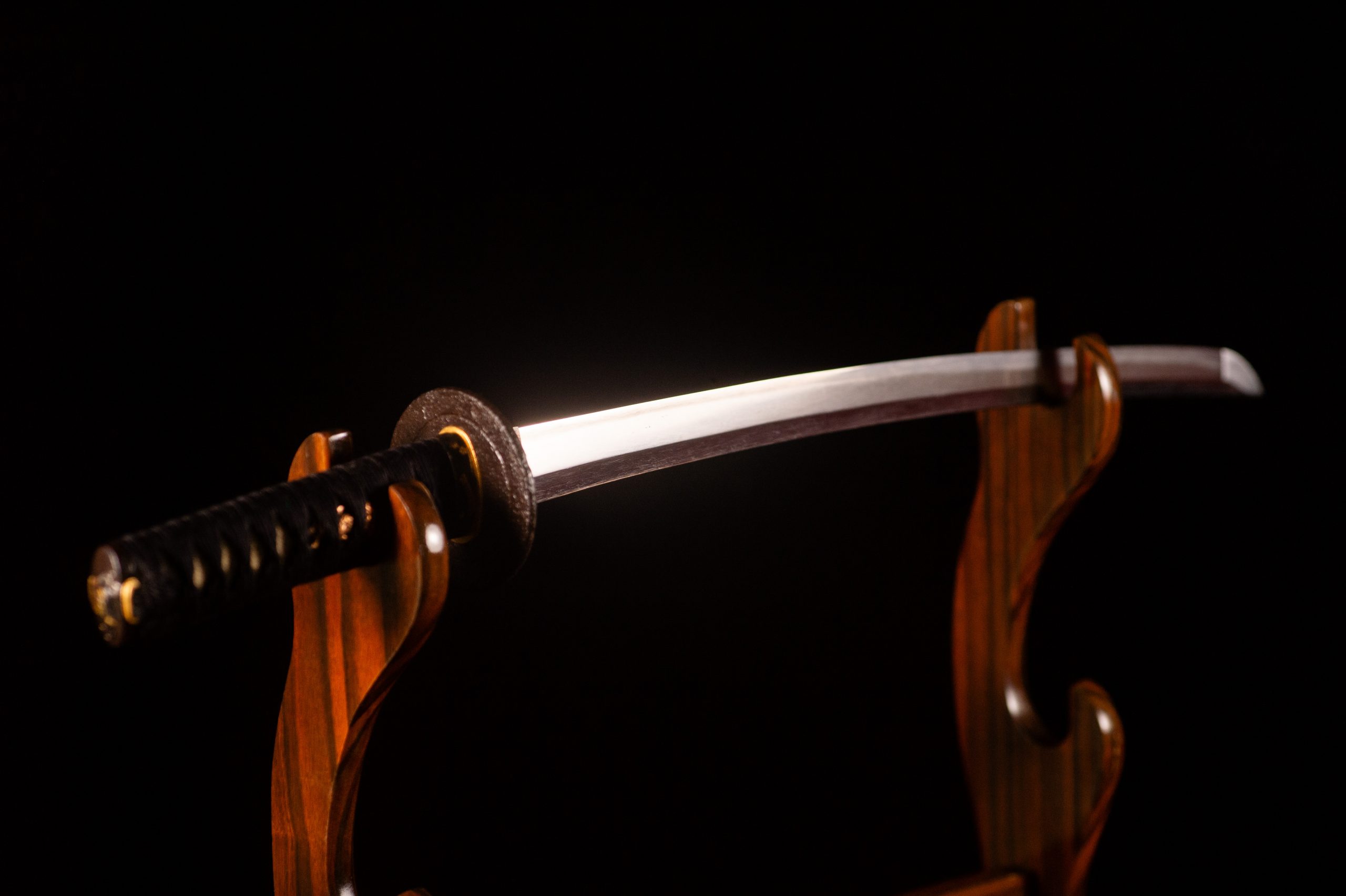
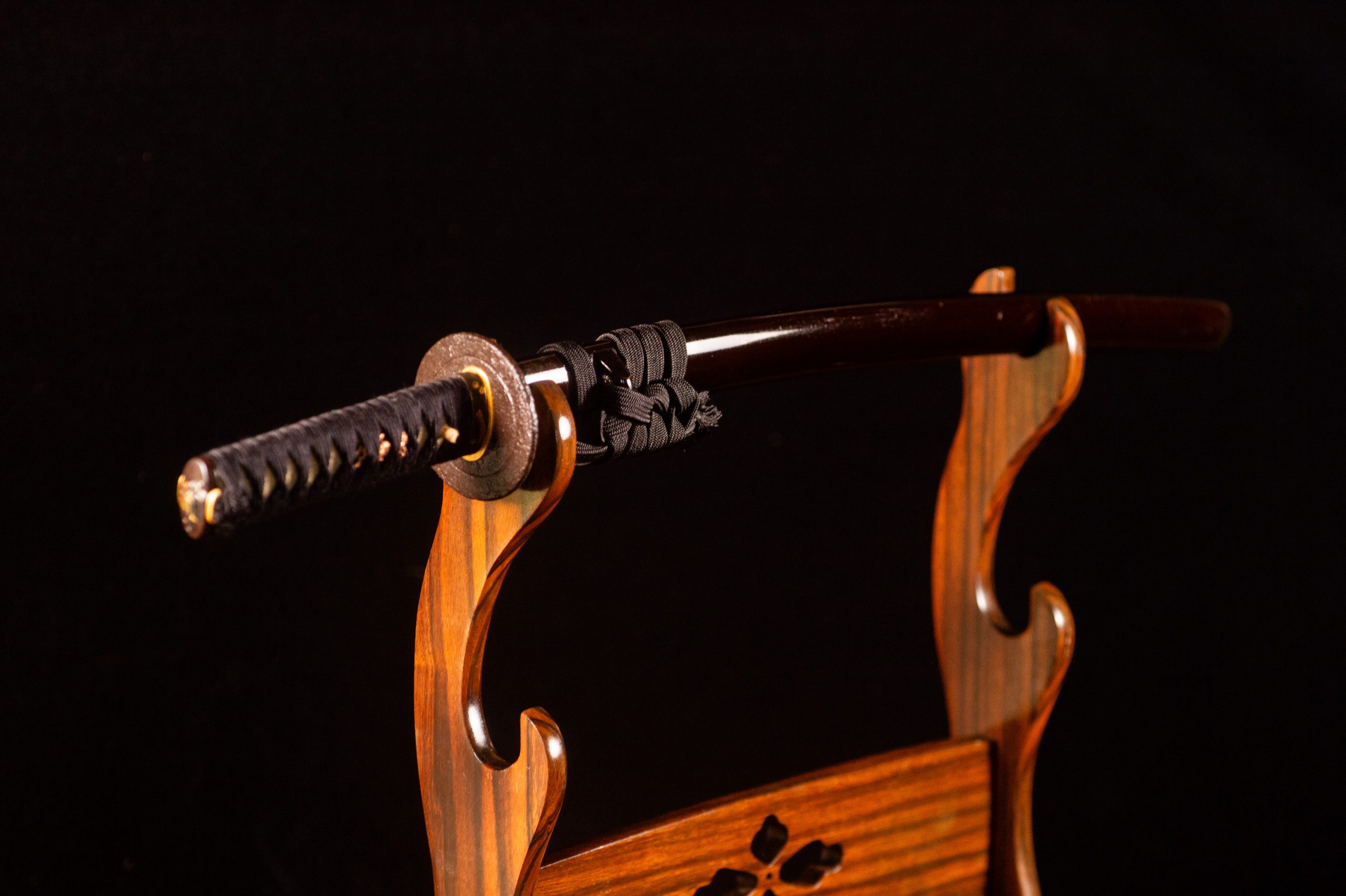
Elegant unsigned Japanese wakizashi from Early Mid Edo period (17-18th) representative of traditional samurai side-arms intended for everyday wear. Its balanced curvature and classical proportions fit perfectly within the historical short-sword typology carried alongside the katana in the daishō.
Blade
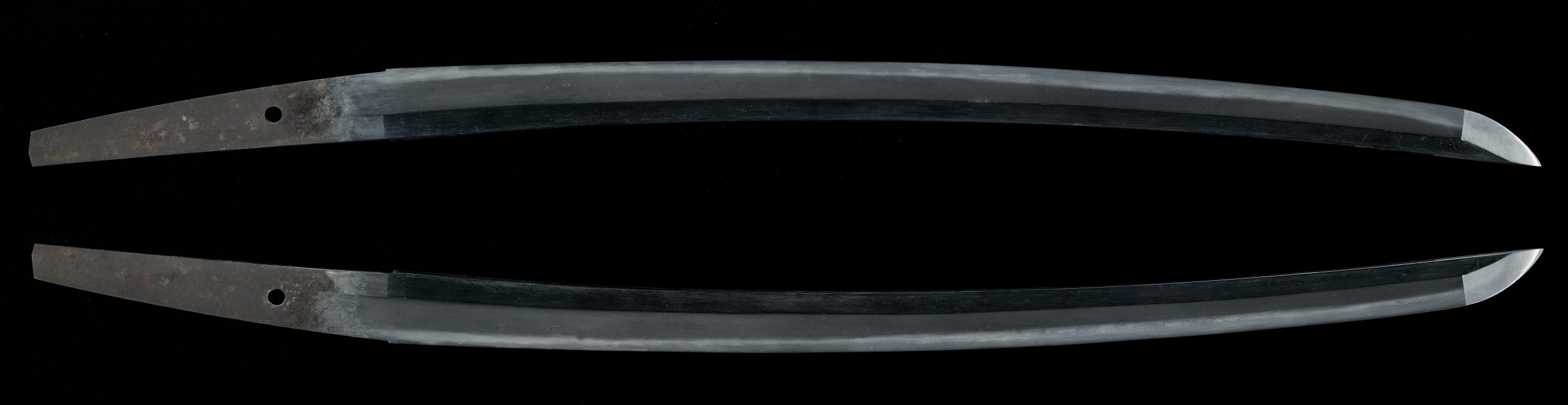
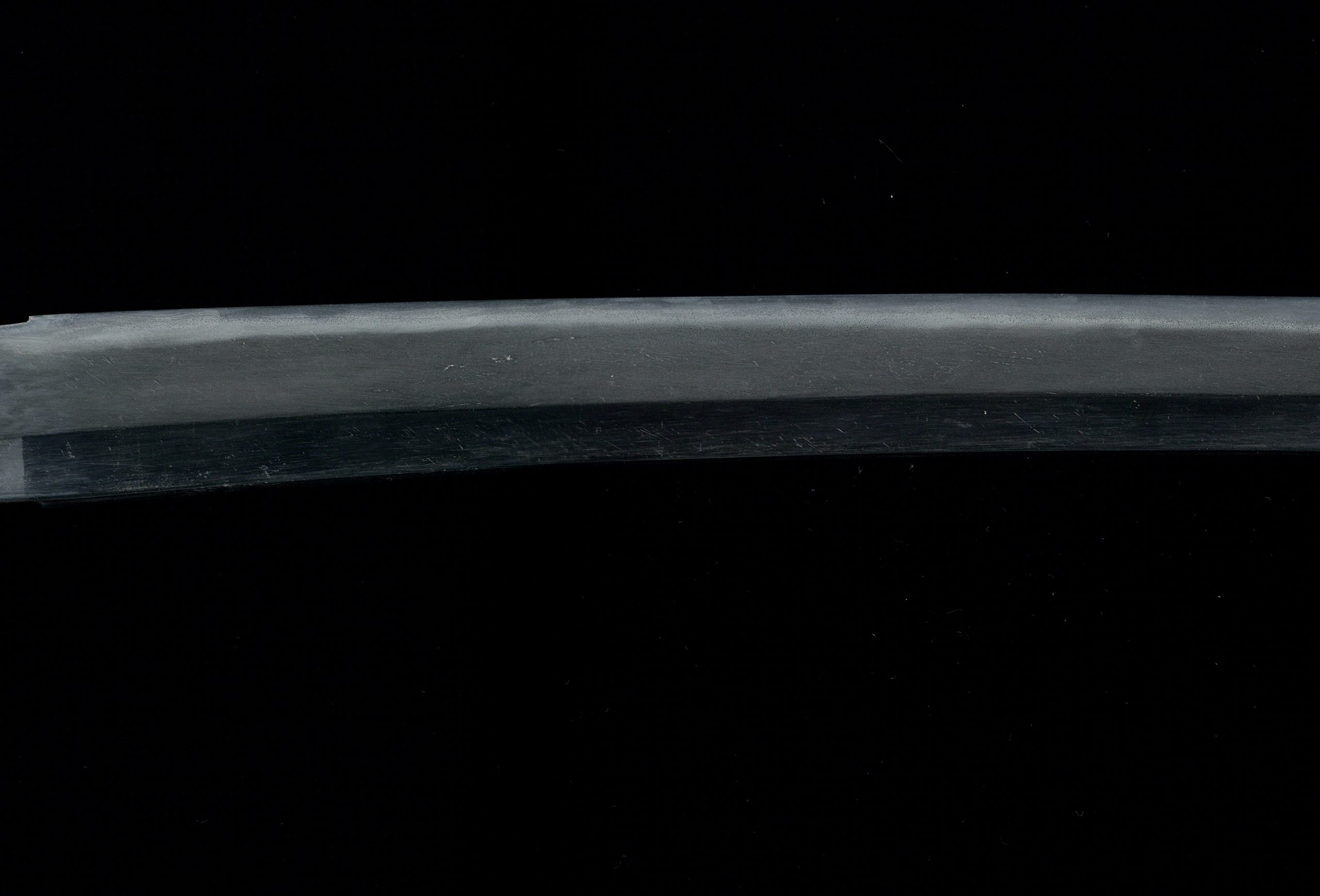
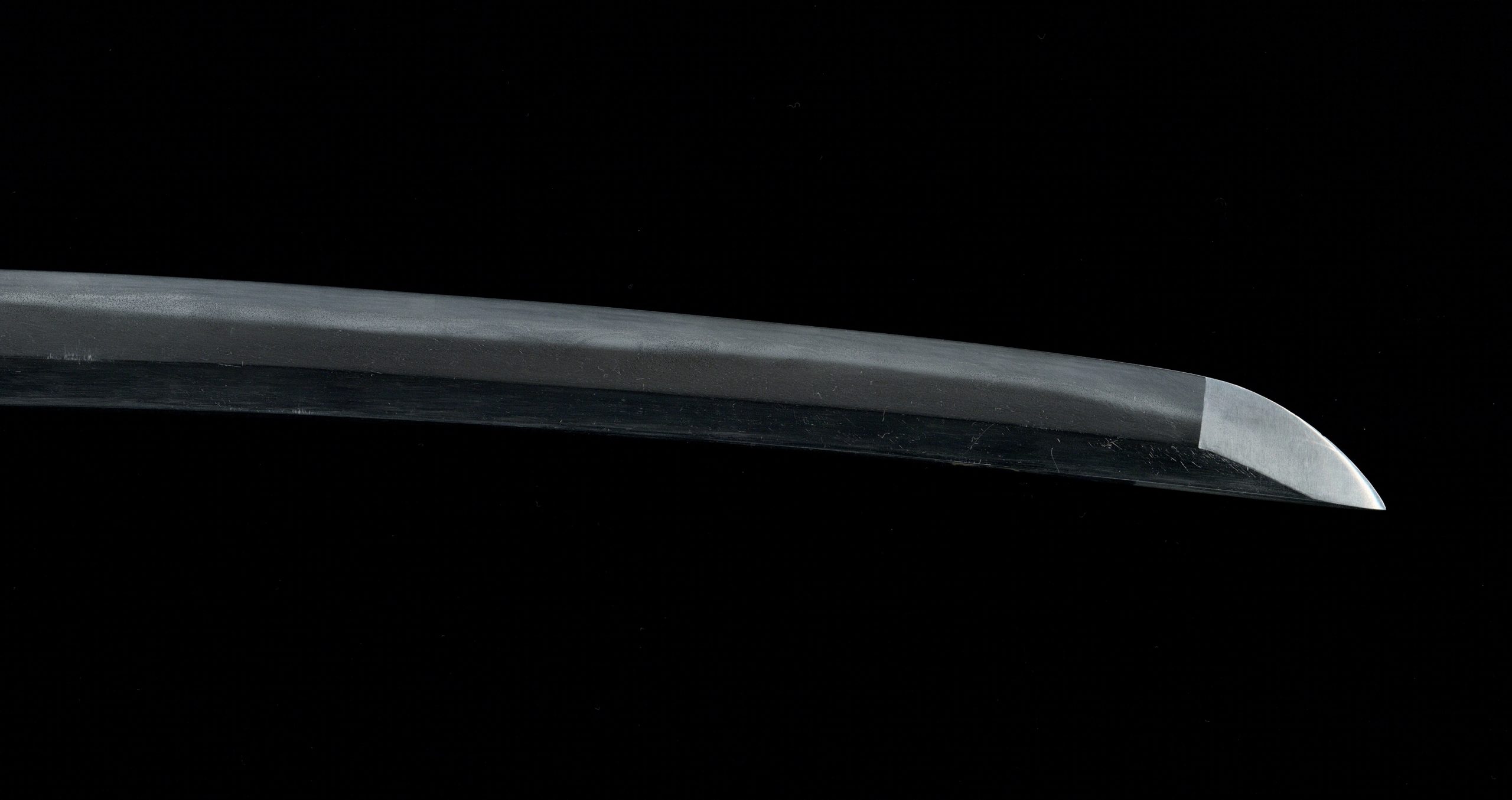
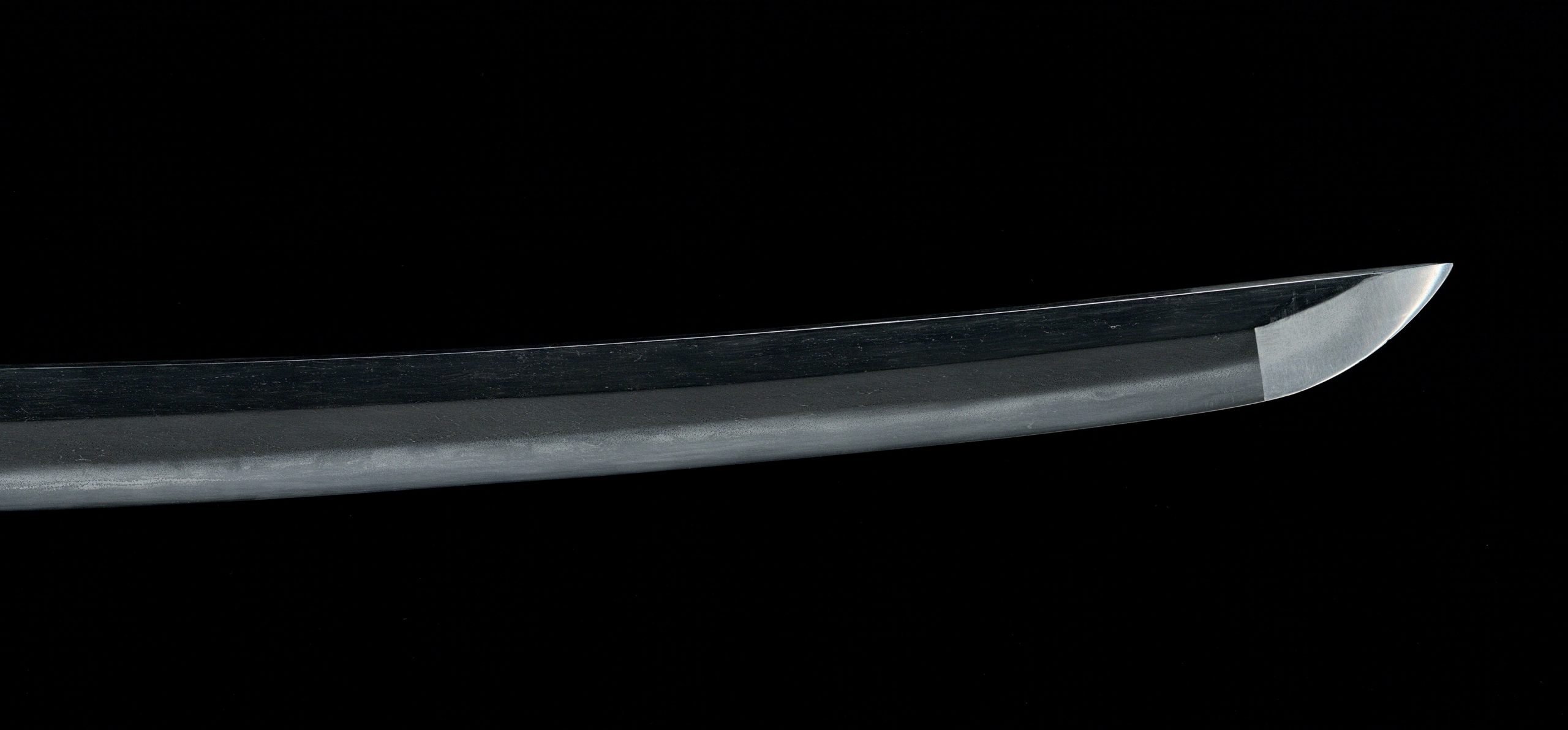
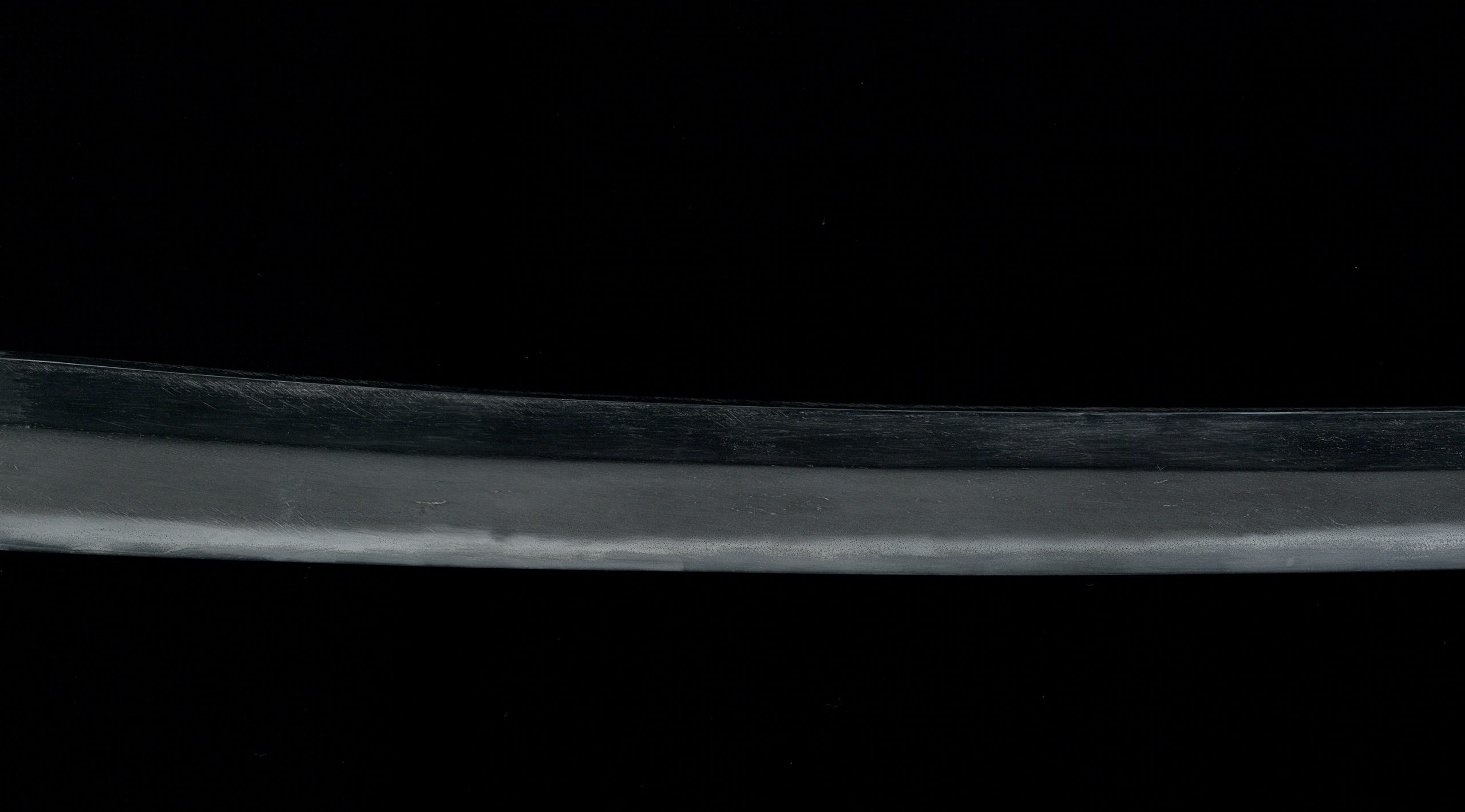
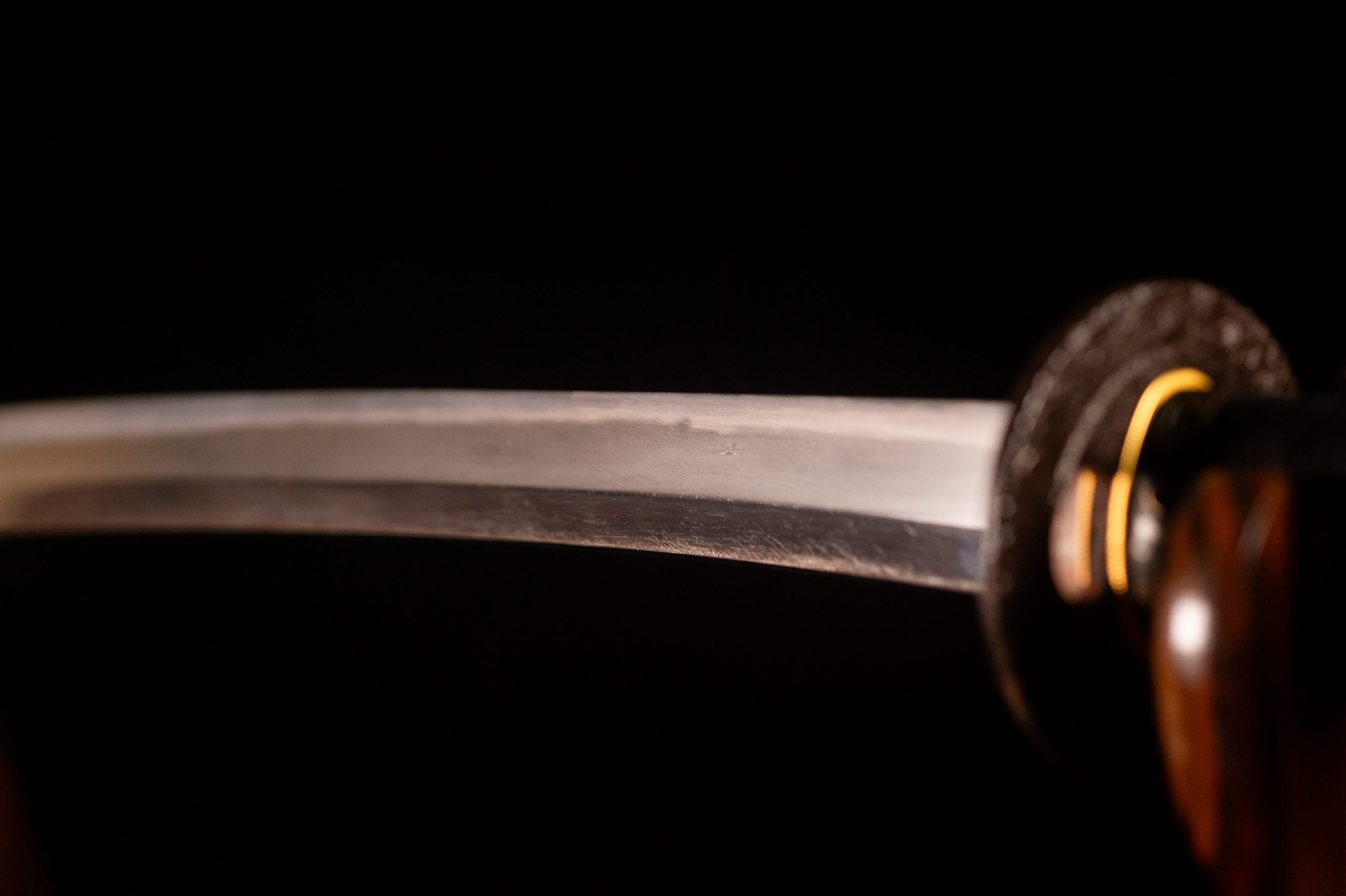
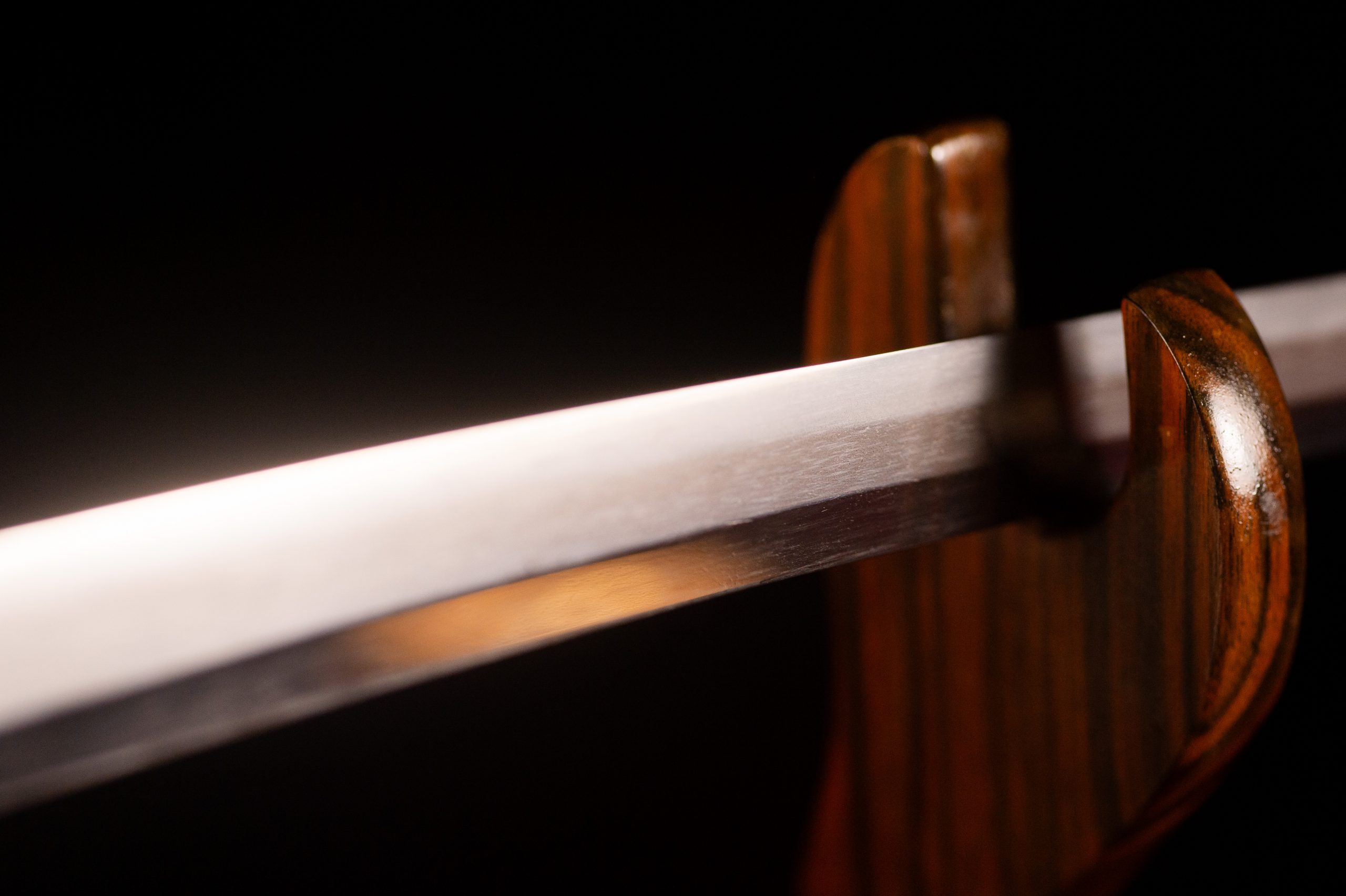
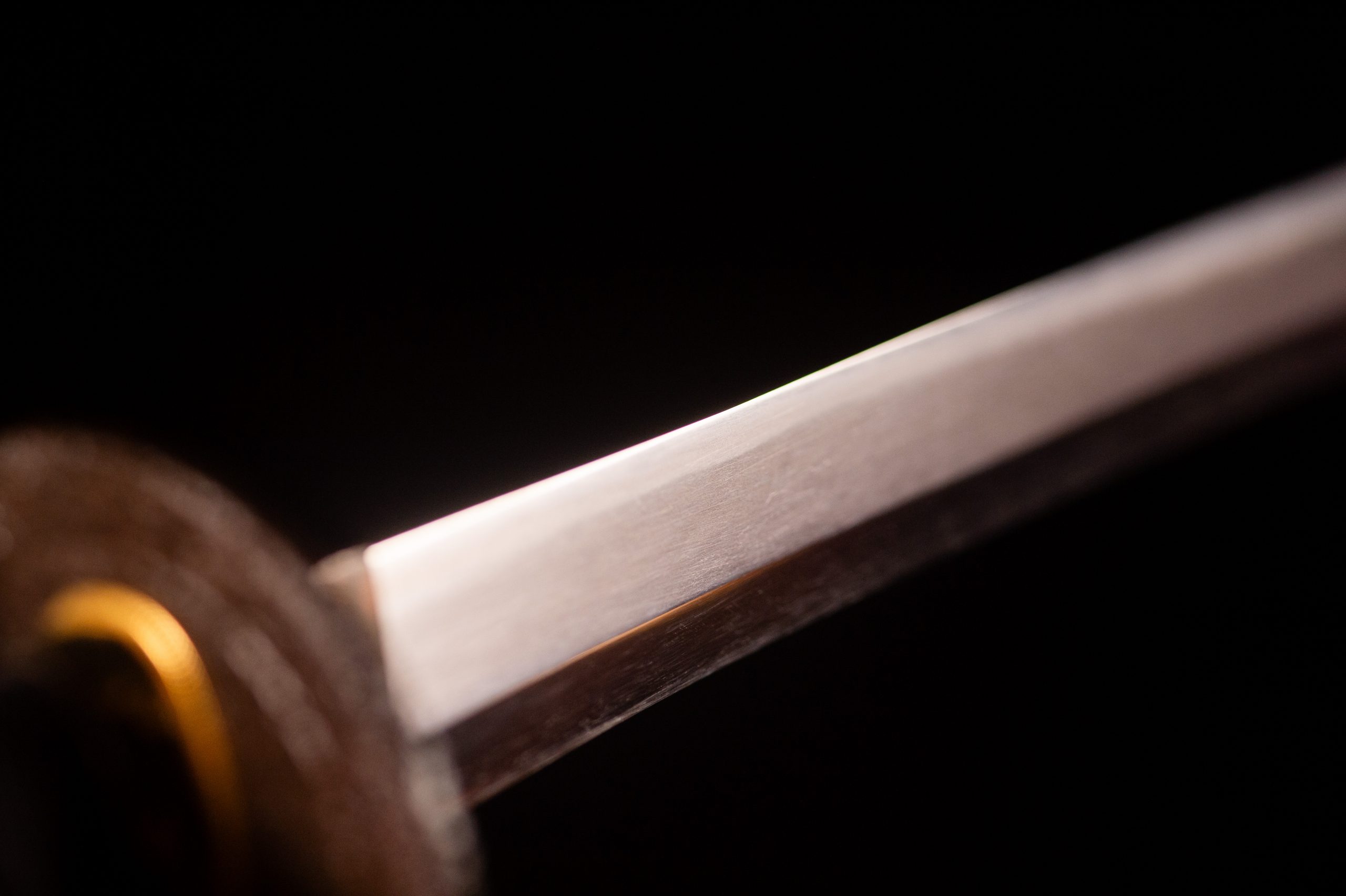
Shinogi-zukuri blade with well-formed kissaki and graceful curvature. The suguha-style hamon runs cleanly along the edge, offering a refined and sober visual impression. Overall geometry is harmonious and functional, with strong display presence.
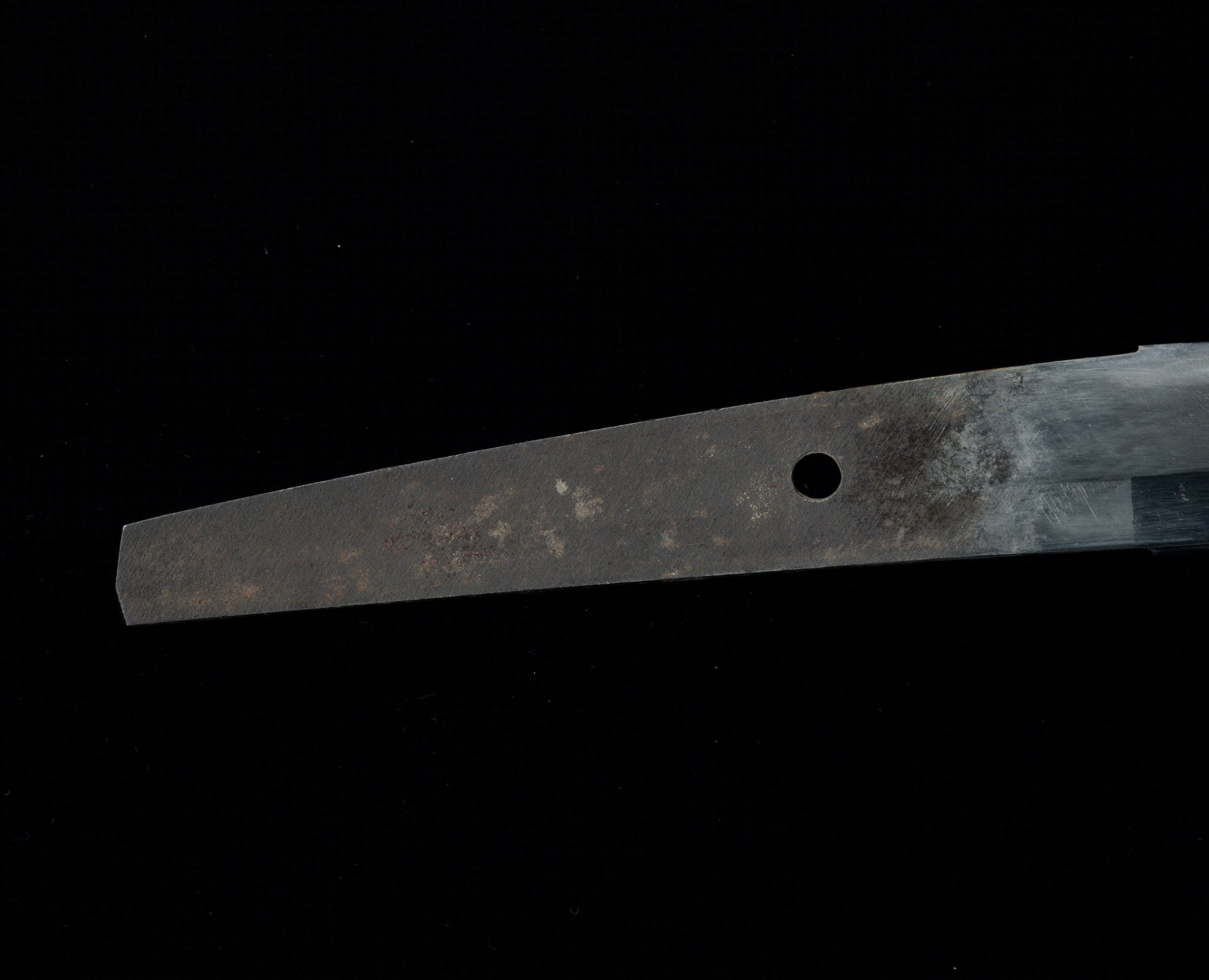
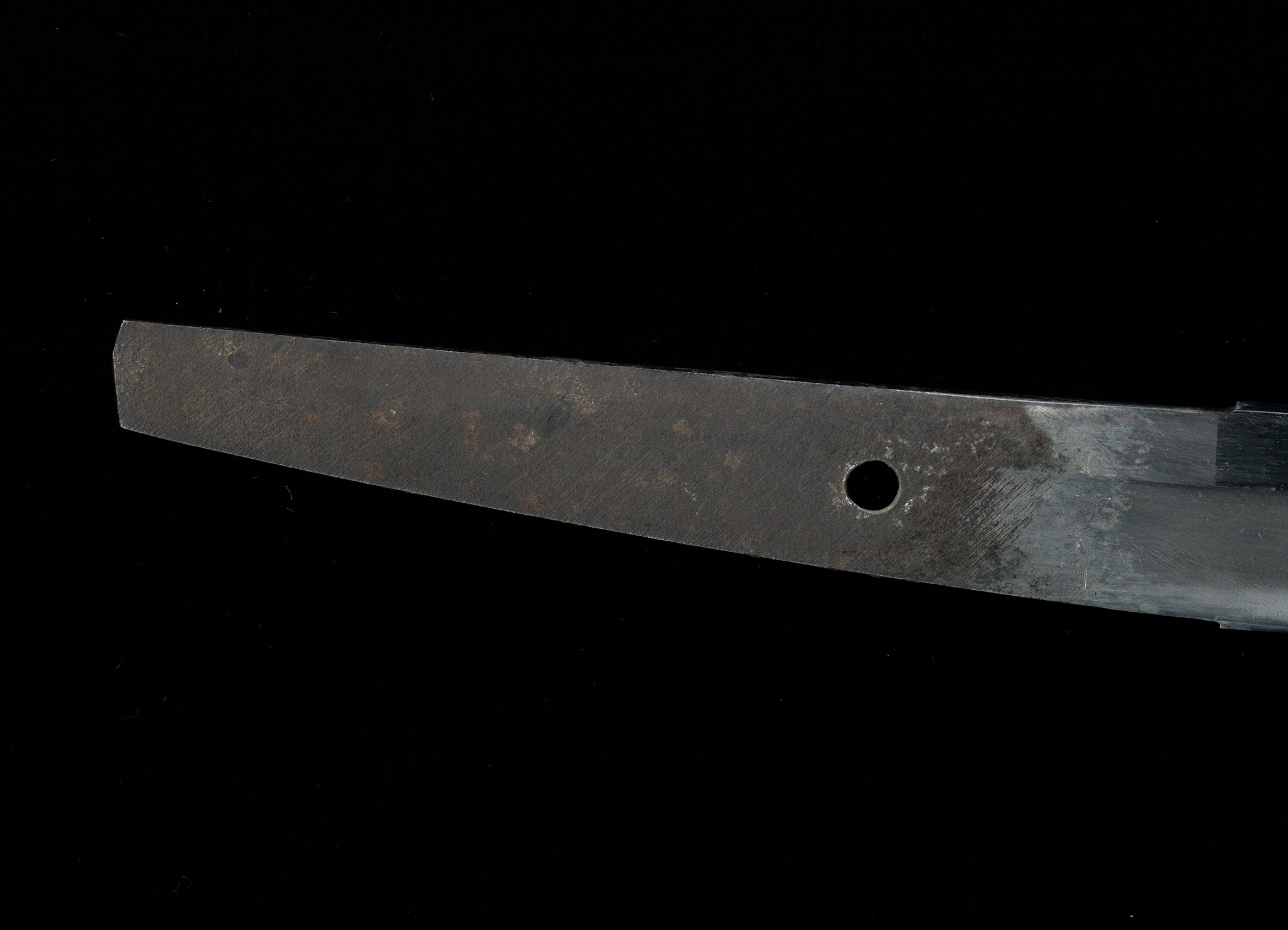
The nakago is mumei and shows a single mekugi-ana in accordance with the registration.
Koshirae
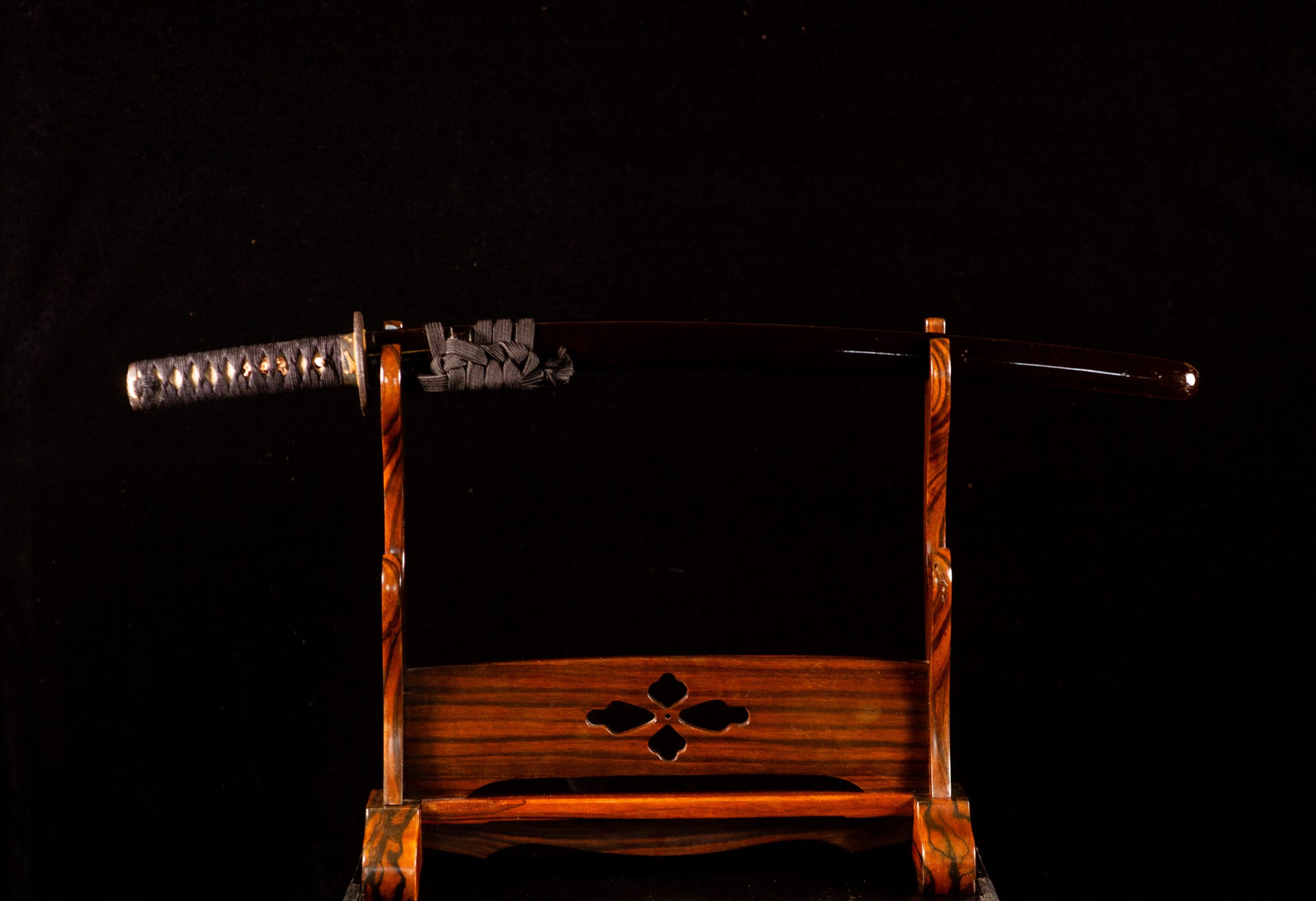
Complete mounting with a restrained and coherent samurai aesthetic:
-
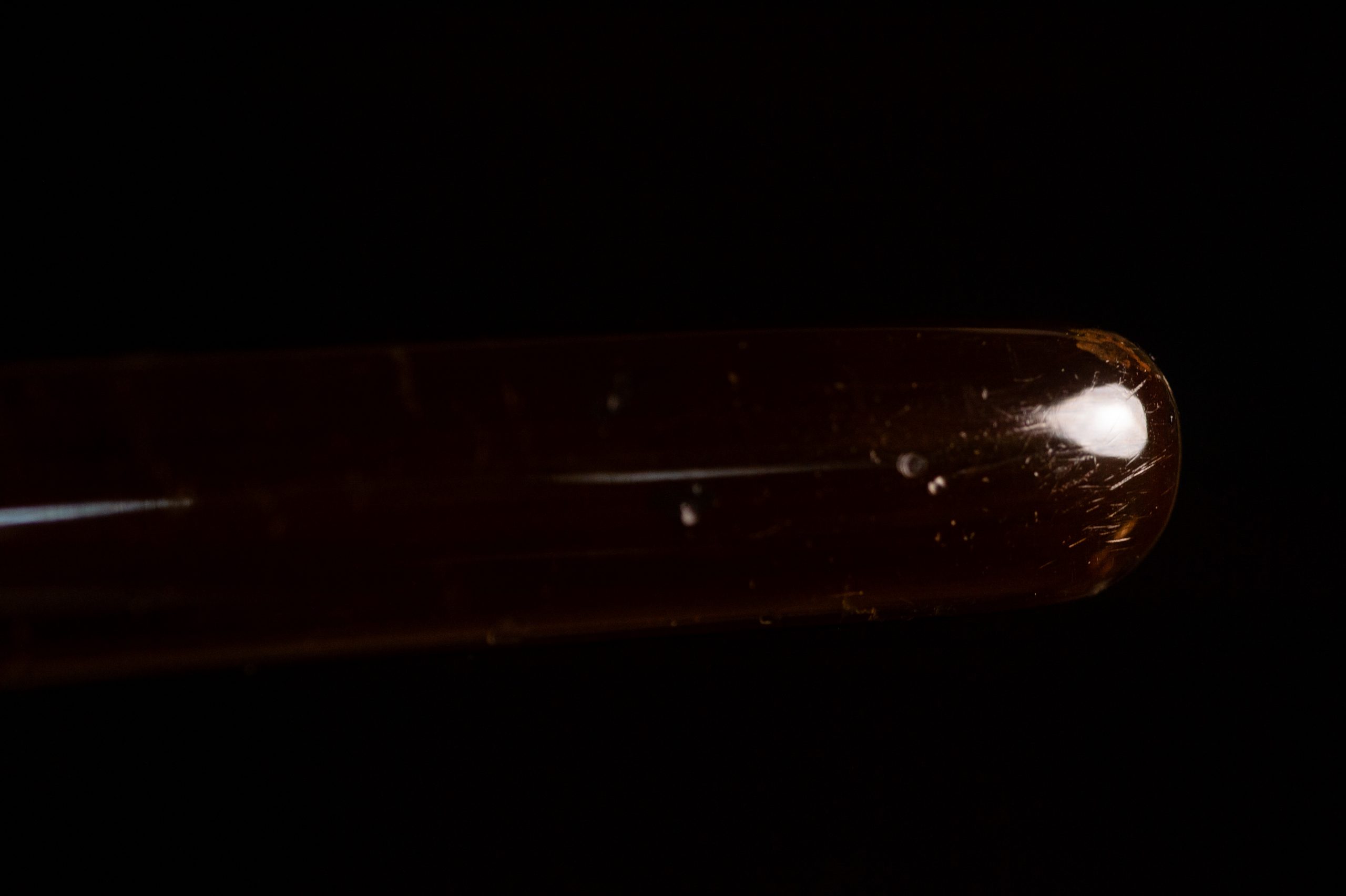
Saya: deep black lacquer finish, elegant and understated.
-
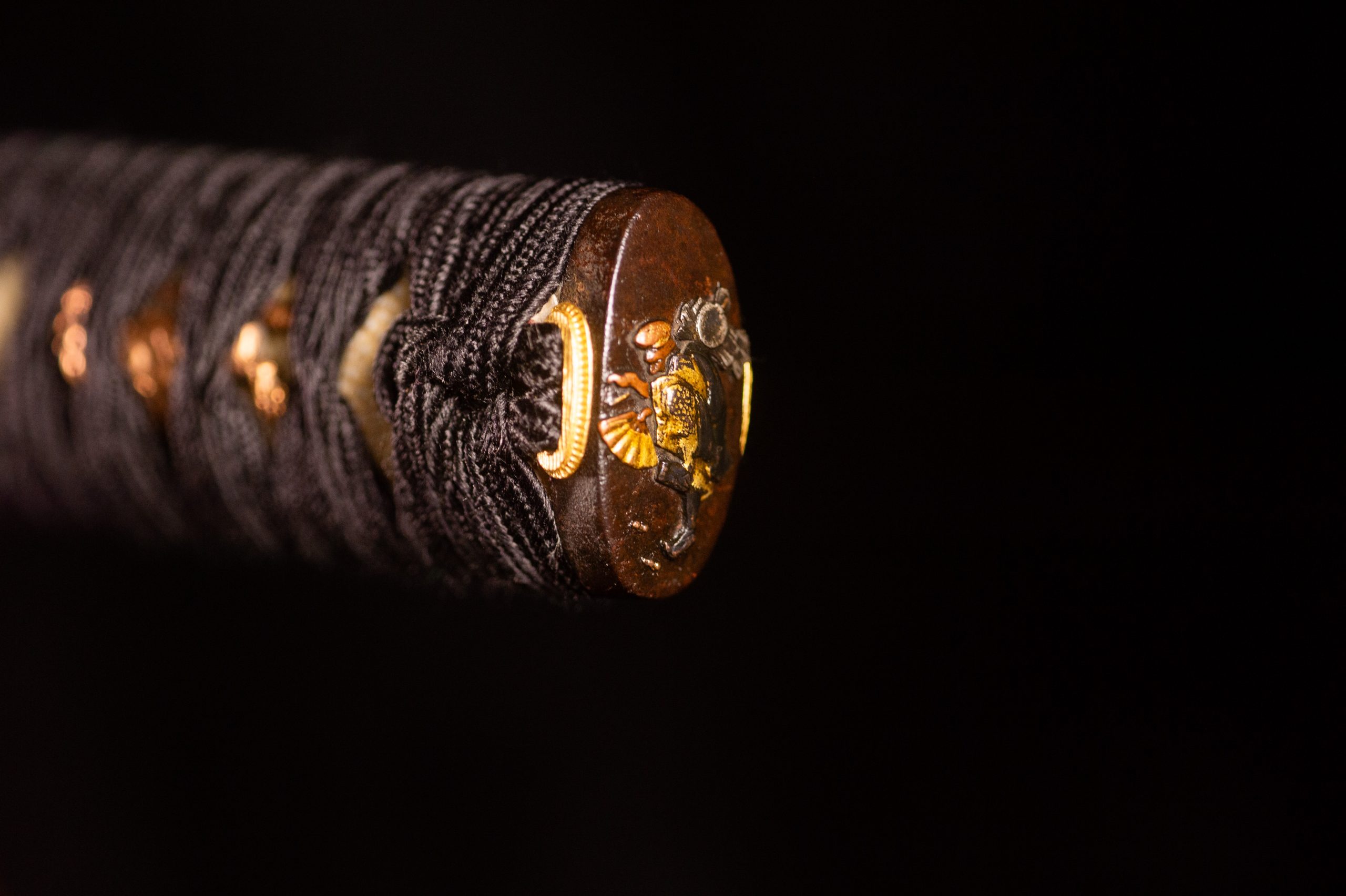
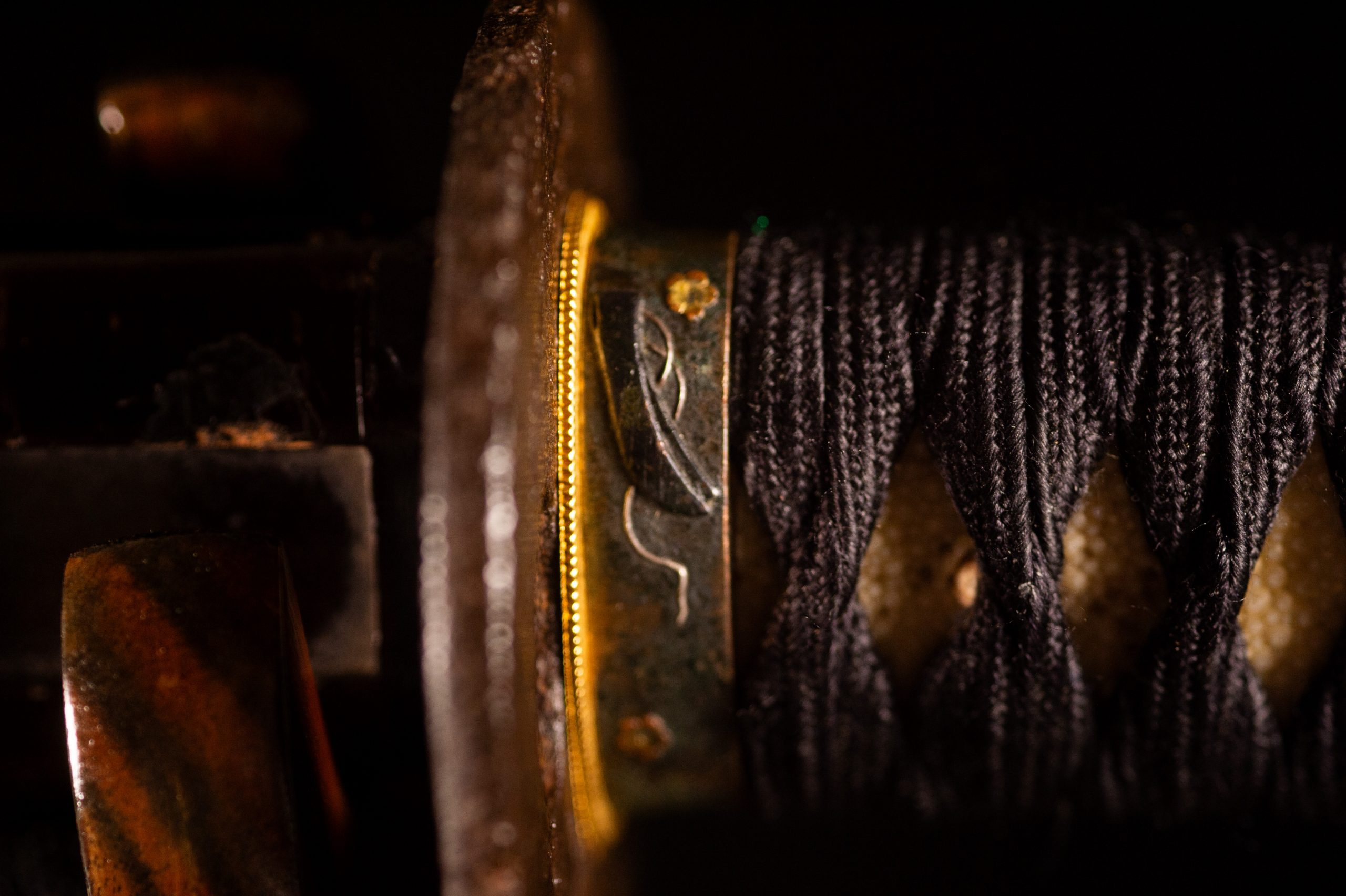
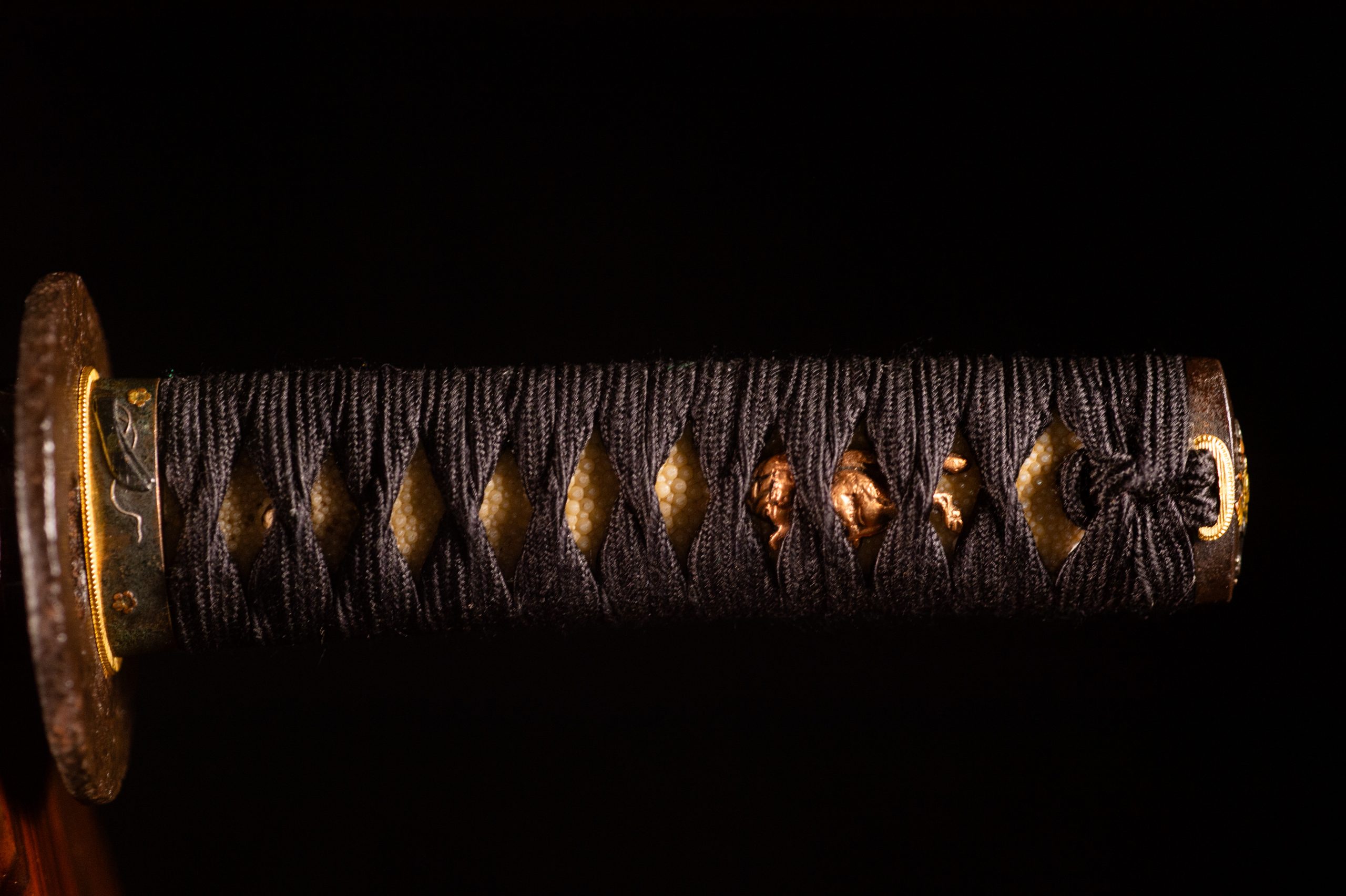
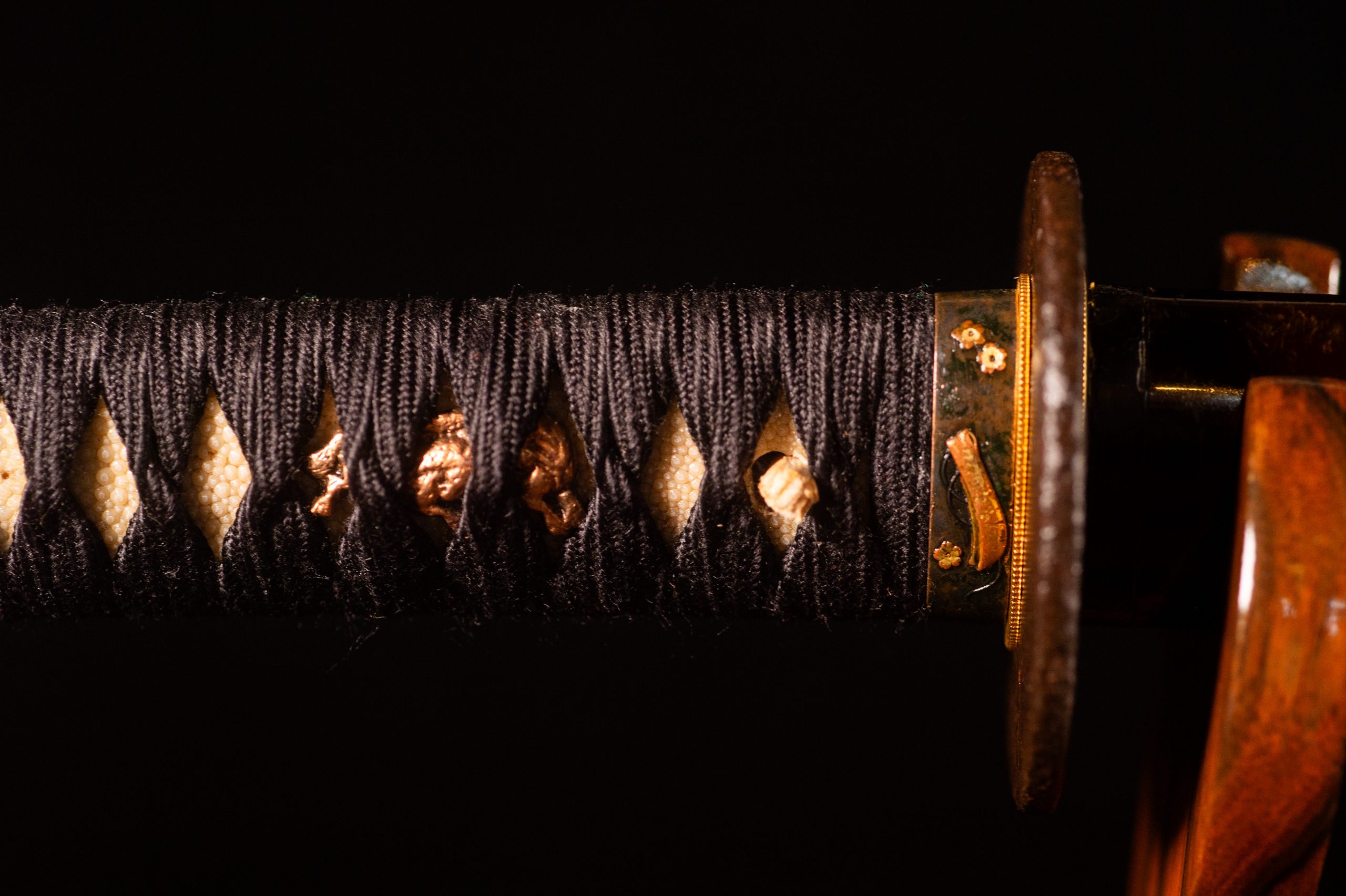
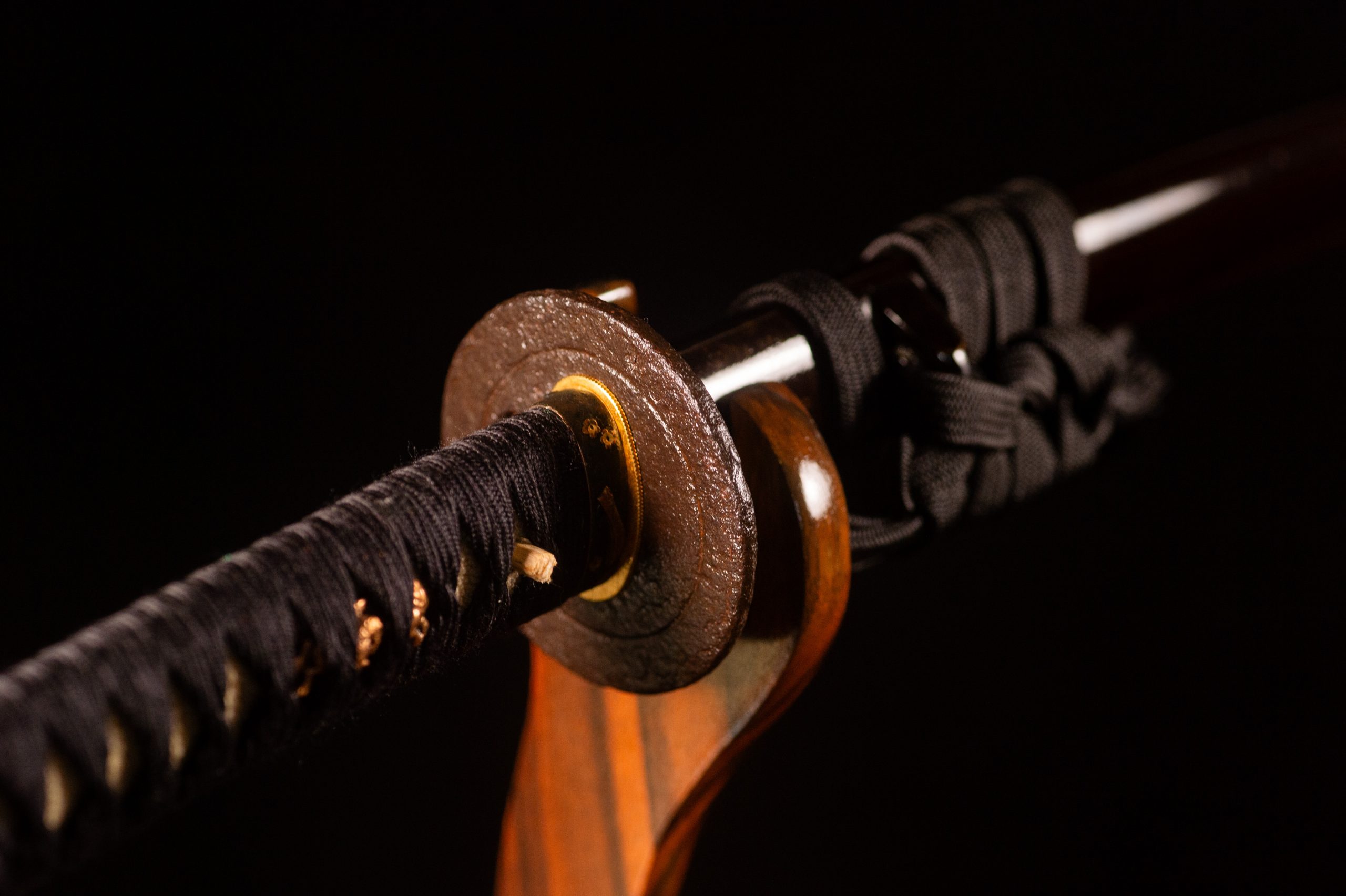
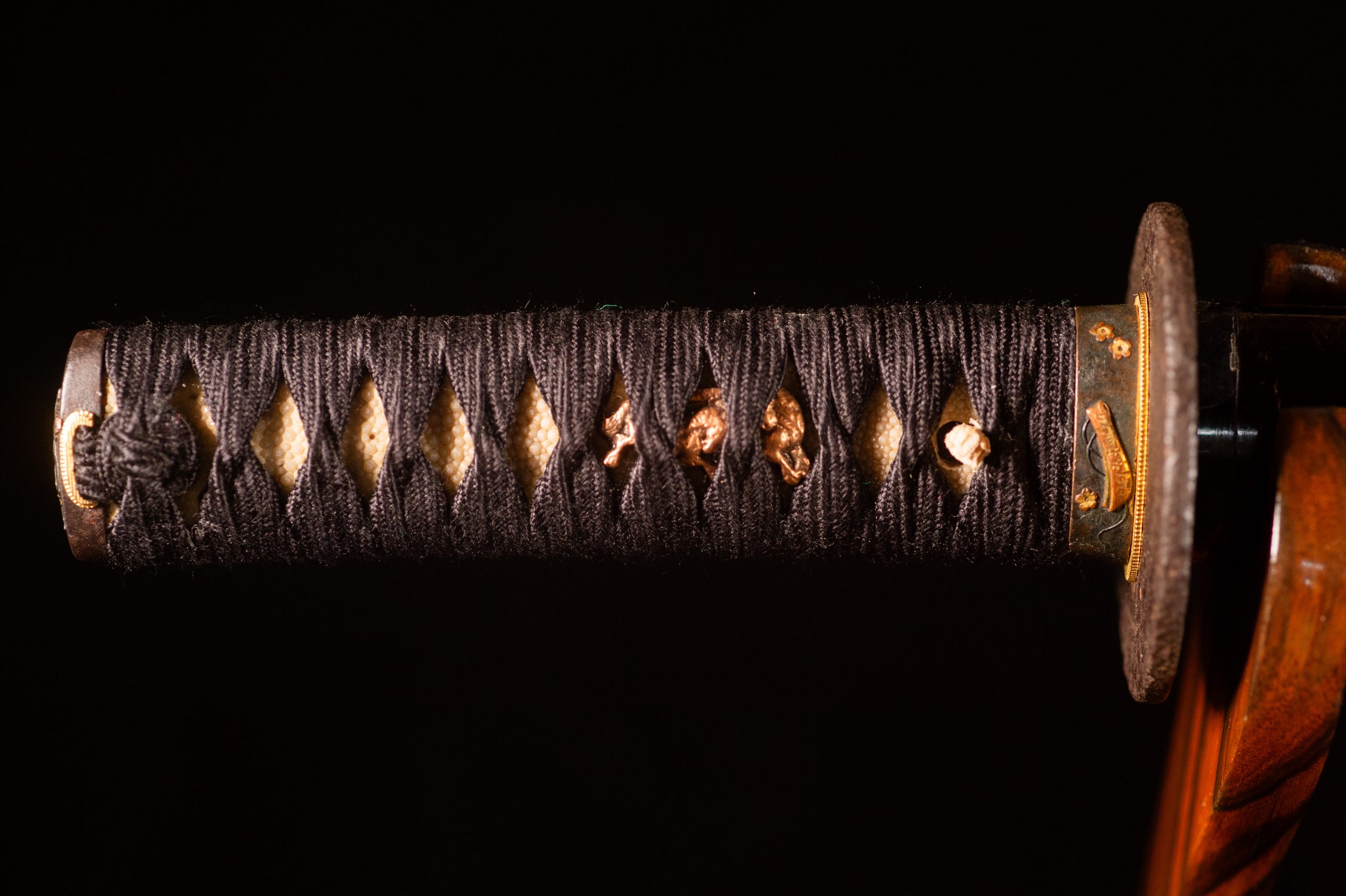
Tsuka: black tsuka-ito over white samegawa, well executed.
-
Menuki: superb gilt horse menuki, adding dynamism and visual distinction.
-
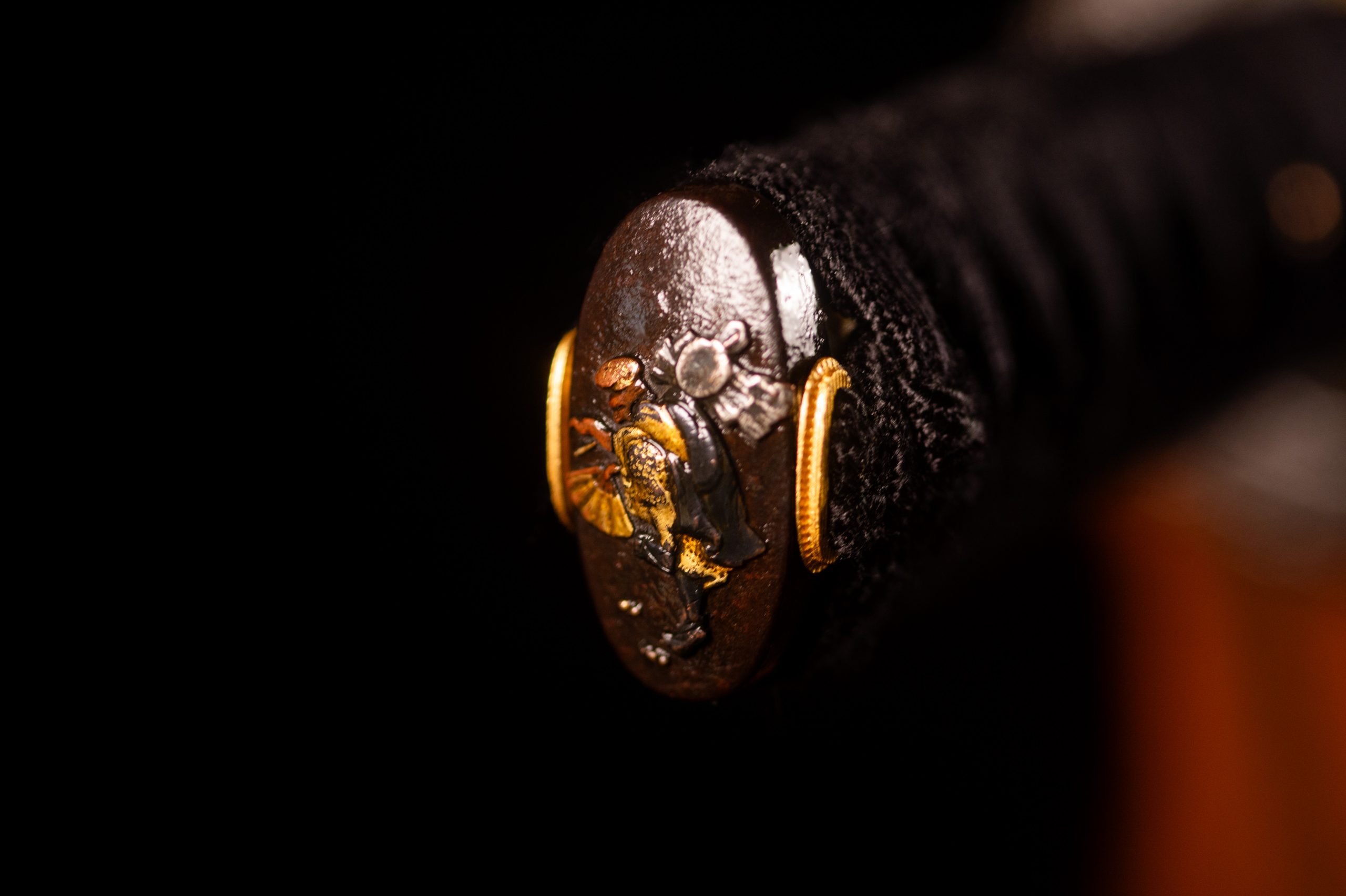
Fuchi-kashira: iron with gold inlays, finely executed with classic character.
-
Tsuba: solid iron maru-gata tsuba with traditional textured surface.
-
Seppa: gold tone matching the fittings.
-
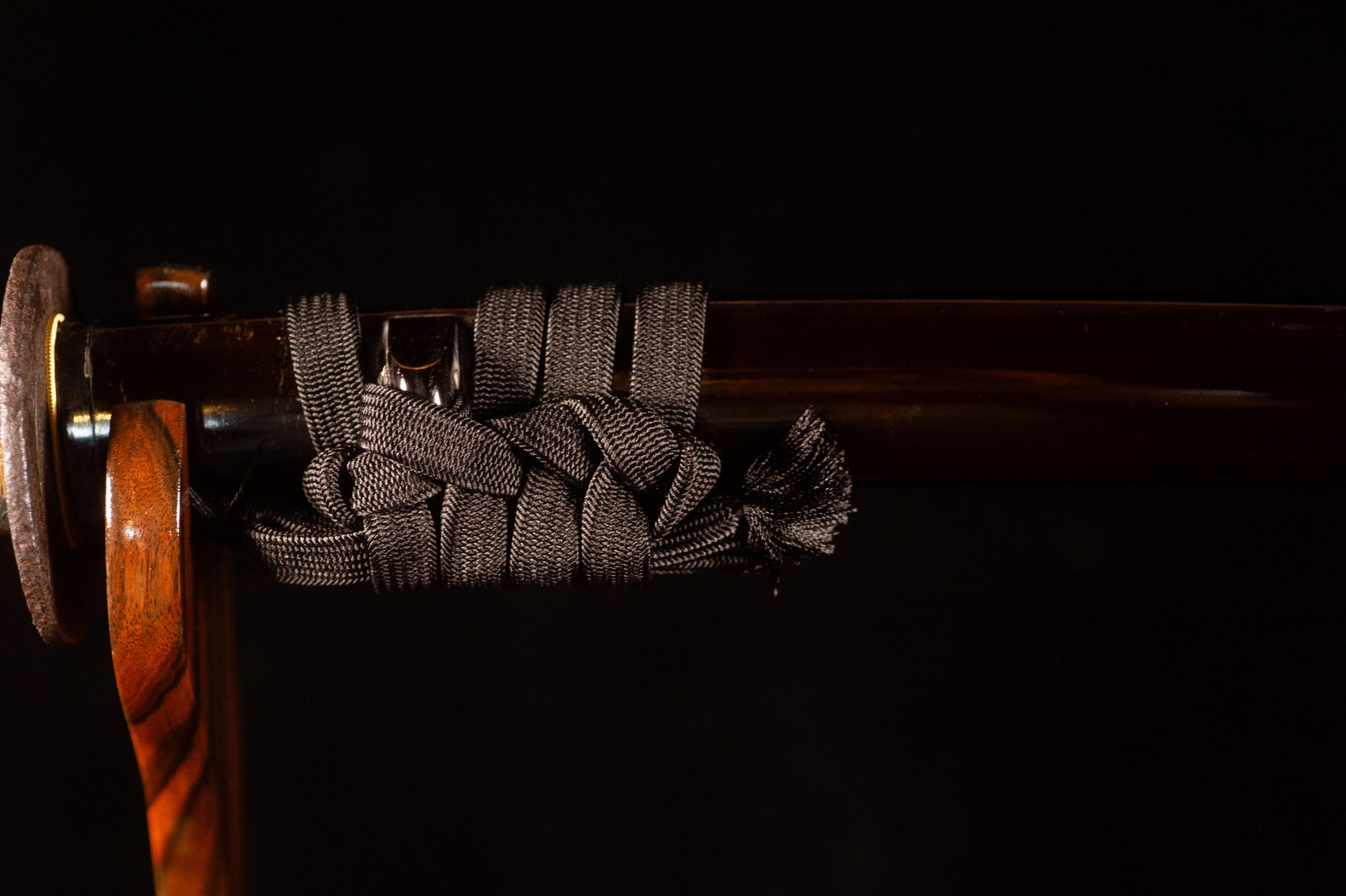
Sageo: black, consistent with the overall mounting.
The mounting presents as visually unified and ready for collection or display, combining samurai austerity with tasteful metalwork highlights.
Technical sheet
Type: Wakizashi
Signature: Mumei
Nagasa: 43.8 cm
Sori: 1.3 cm
Mekugi-ana: 1
Torokusho: Mie No. 14626
Mounting:
-
Black lacquer saya
-
Black tsuka-ito over white samegawa
-
Gilt horse menuki
-
Iron fuchi-kashira with gold inlays
-
Iron maru-gata tsuba
-
Black sageo


